


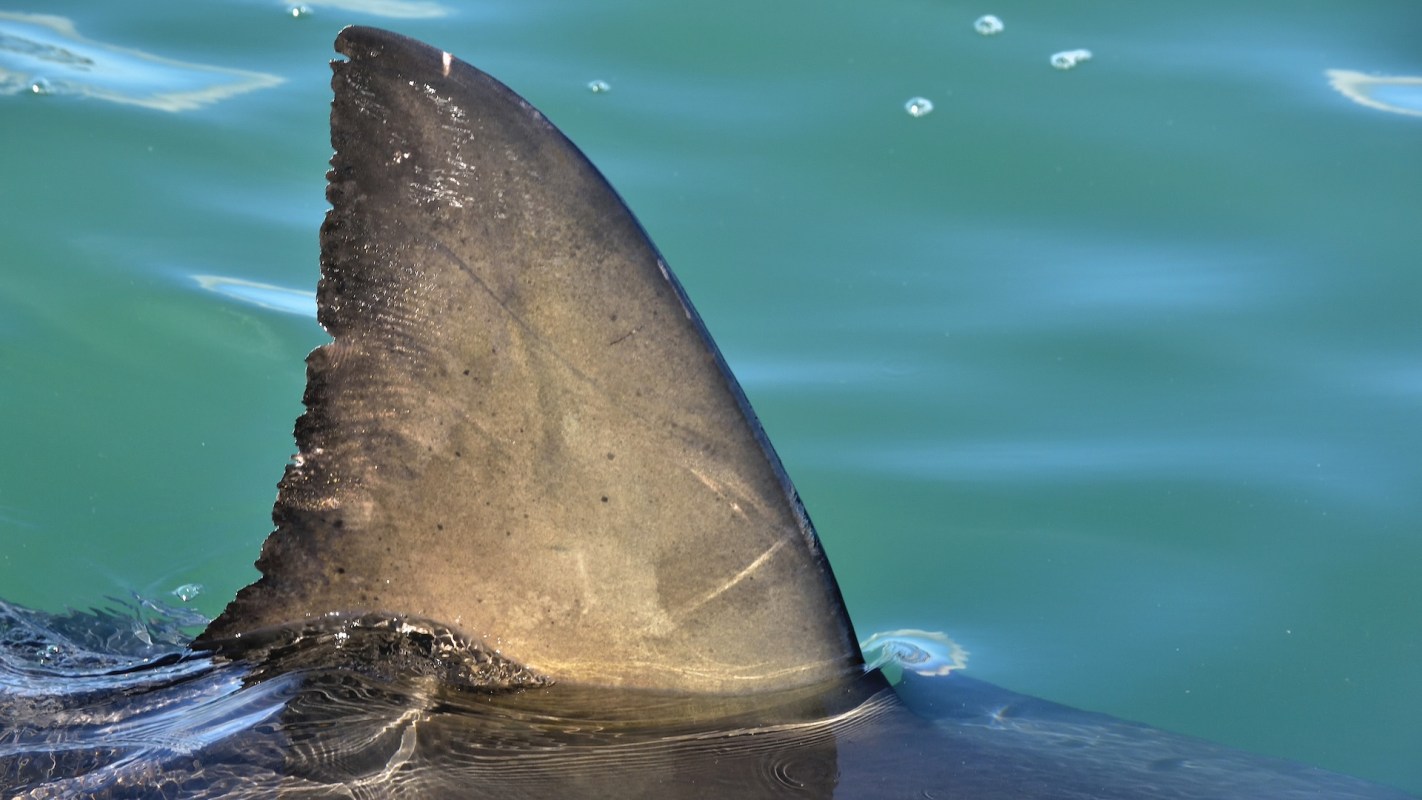
Even the ocean's most powerful predators aren't immune to a warming world, and the consequences extend far beyond the sea.
According to SciTechDaily, new research shows that some top marine predators face what scientists call "double jeopardy" as ocean temperatures rise and they may be running out of places to go.
Unlike most fish, mesothermy allows certain species to keep parts of their bodies warmer than the surrounding water. This gives them advantages in speed, strength, and endurance.
But that edge comes with a cost. Researchers found that these fish burn nearly four times as much energy as cold-blooded species of similar size.
As oceans warm at an unprecedented rate, these high-performance predators risk overheating, especially larger individuals, whose greater body mass traps heat more efficiently and limits their ability to cool down.
"Based on the data, we were able to create theoretical 'heat-balance thresholds,' which are the water temperatures above which large fish cannot shed heat quickly enough to maintain stable body temperatures without changing their behavior or physiology," said senior author Andrew Jackson, a Trinity College Dublin professor, per SciTechDaily. "For example, a 1-tonne warm-bodied shark may struggle to remain in heat balance in waters above about 17 degrees Celsius (62.6 Fahrenheit)."
TCD Picks » Quince Spotlight
💡These best-sellers from Quince deliver affordable, sustainable luxury for all




To cope, these animals may need to slow down, dive deeper, or migrate toward cooler waters — all of which can make it harder to find food.
"The implications are really sobering as this new finding essentially places these animals in 'double jeopardy,'" said lead author Dr. Nicholas Payne, per SciTechDaily. "Many mesothermic fishes are already heavily impacted by overfishing of themselves and also their prey species, so their elevated energy needs make them especially vulnerable when their food becomes scarce."
These predators play a crucial role in maintaining the balance of marine ecosystems. When their populations decline or shift, the effects can ripple through the food web, ultimately impacting ocean health.
"Understanding these constraints is essential if we want to predict how marine ecosystems will shift in the coming decades," added researcher Dr. Edward Snelling, per SciTechDaily.

Get TCD's free newsletters for easy tips, smart advice, and a chance to earn $5,000 toward home upgrades. To see more stories like this one, change your Google preferences here.







