


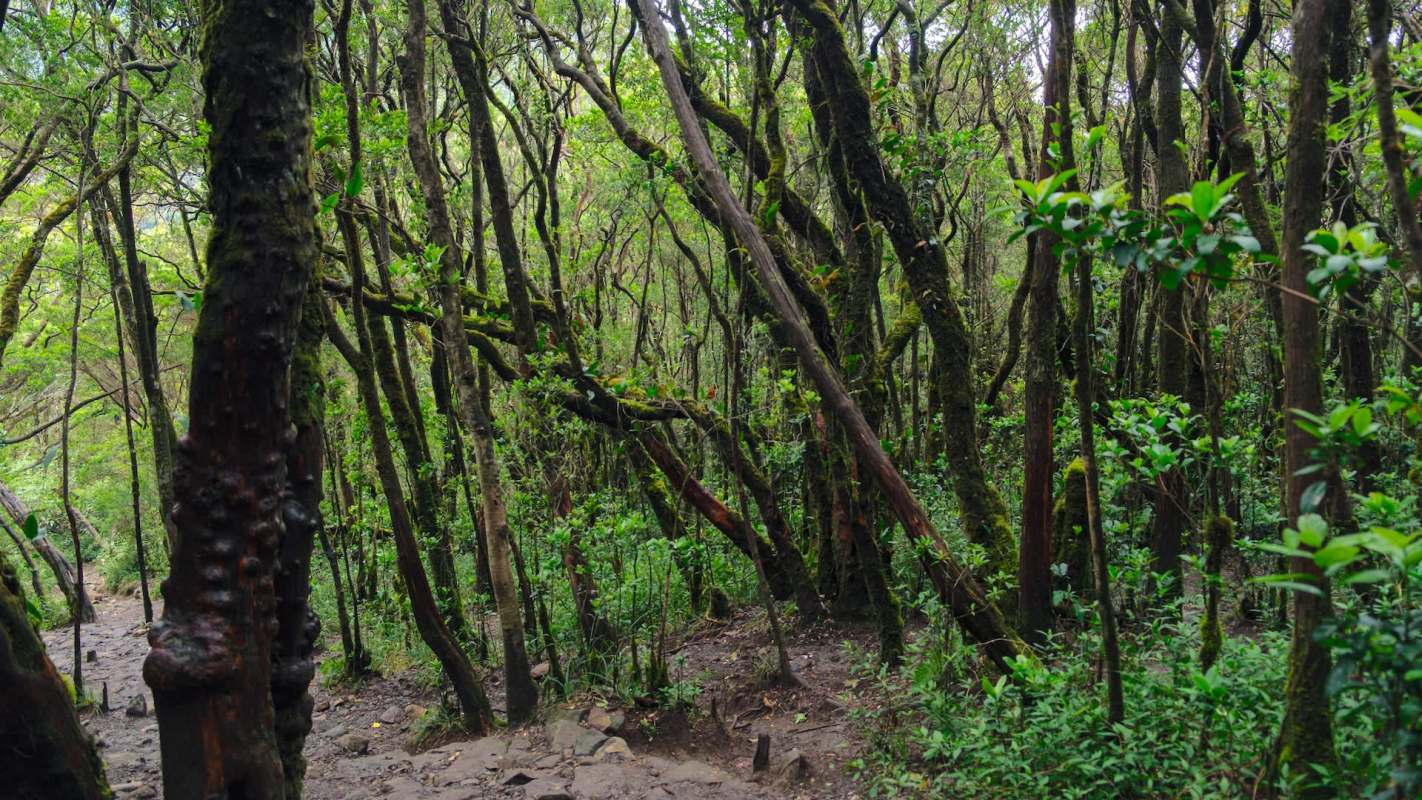
A forestry expert is clearing up a misconception about clearcutting large patches of forest.
Ross Reid (@nerdyaboutnature) broke down why clear cutting has a negative impact on biodiversity in a detailed TikTok. As he explained, cleared areas appear to increase the number of wildlife such as deer and elk, but the animals just become more visible and consolidate in a single space, making them more easily preyed upon by wolves and coyotes and hunted by humans, which actually drives down populations.
@nerdyaboutnature You may have heard that clearcuts 'increase biodiversity' for things like birds or ungulates like Deer, Elk and Moose, as often cited by folks who hunt…but unfortunately that just isn't true. Clearcuts appear to have a boost in wildlife mostly because it's more visible, yet a majority of these species still rely on having forests nearby as numerous studies have shown. They also show that these clearcuts don't actually increase populations of Deer or Elk, but instead consolidate them into areas which in turn makes them more susceptible to predation, or by human hunting, all of which drives down their populations. After the first decade of a clear cut, the regrowing second-growth forest is too dense for big ungulates to move through so they migrate elsewhere, and after 20 years or so the taller trees form a dense single-layer canopy that blocks sunlight and shades the understory, meaning that very little grows and provides food, effectively making it a biodiversity desert. It can take over 150-300 years for a forest to succeed naturally, and for specific species who require certain structural complexities, it can be thousands of years. So no - commercial logging and clearcuts don't actually increase biodiversity of a forest, and are ecologically inappropriate in every single forest type. Alternatively, select-harvesting that creates mixed age and species stands has been shown to increase biodiversity in second growth stands. So instead of clearcuts of any size, we should be working with selective eco-forestry harvesting practices that fit the specific needs of each forest stand to maintain not only biodiversity, but ecological function that stores carbon and reduces the impacts of wildfires, drought and other climate driven impacts. Let's do logging better to create a better world for not only us humans, but the birds, bears, deer, elk and all the others we share these lands with! If you're enjoying these vids and want more of 'em, you can help support their production by becoming a paid supporter on patreon or substack via the link in my bio 🤙 #hunting #hunt #elk #deer #moose #logging #clearcut #nature #wildlife #biodiversity #forest #dobetter
♬ original sound - Nerdy About Nature (Ross Reid)
And the forests don't regain their biodiversity for decades either. After 20 years, Reid explained that tall trees create a dense canopy that kills the understory, creating what he called a "biodiversity desert," meaning limited food options for bears, deer, elk, birds, and other wildlife. In fact, it can take 150-300 years for a forest to develop into complex habitats capable of supporting a variety of species.
In his video, Reid debunked the myth that clearcutting forests "increases biodiversity" for birds, deer, elk, and moose, but studies he cited show "that just isn't true."
According to the World Wildlife Fund, forests are being cut down at an alarming rate. In 2024 alone, we lost 16.6 million acres of tropical primary rainforests, a rate equivalent to 18 soccer fields per minute. Removing trees at that volume creates or exacerbates a variety of issues, from extreme weather events to erosion, economic impacts, and more.
Reid did offer a solution that would allow people to continue logging: "select harvesting," which maintains biodiversity with trees of mixed ages and species growing side by side. These kinds of forests also reduce the impact of forest fires, droughts, and other climate-driven weather events.
Perk up the winter blues with natural, hemp-derived gummies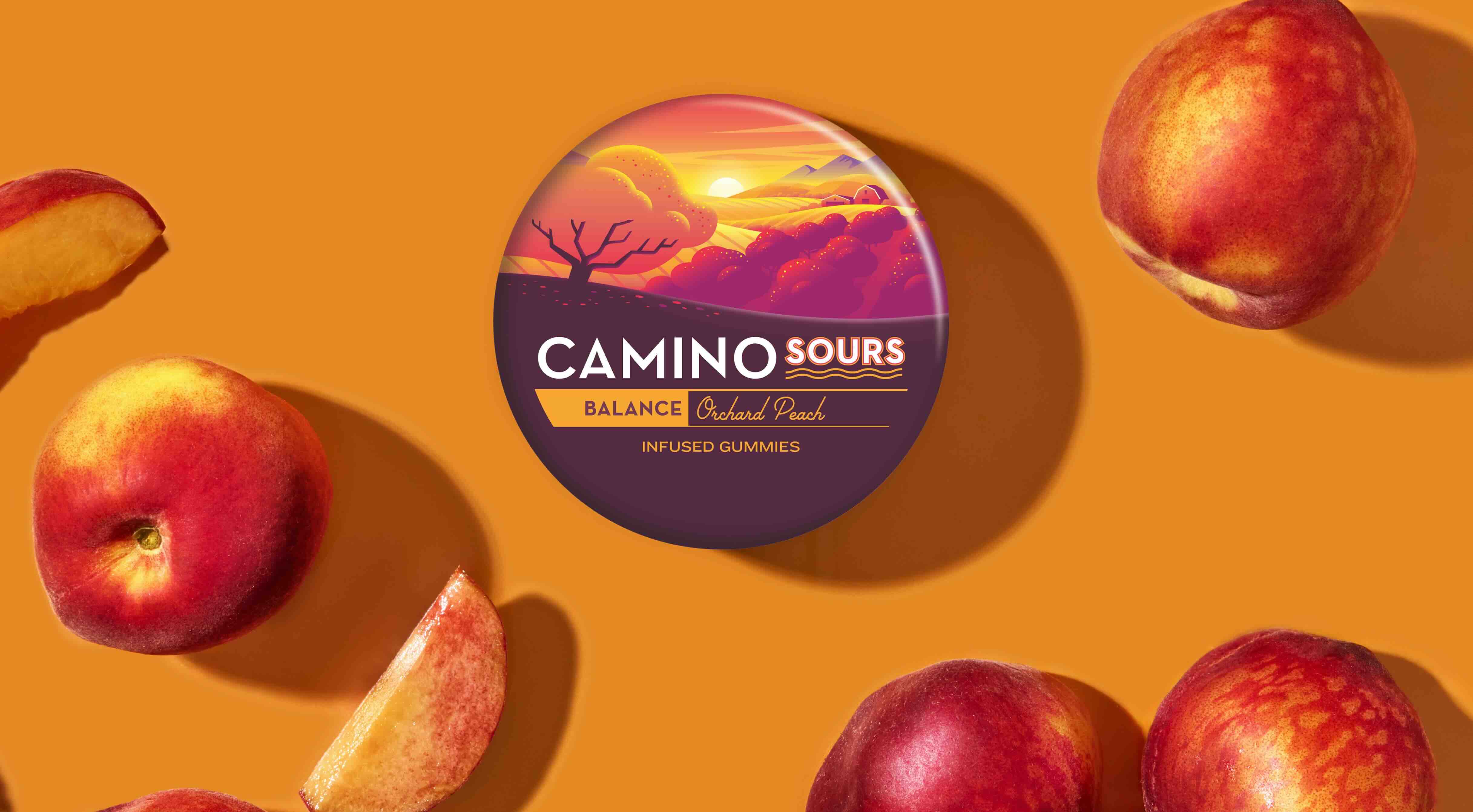 Camino's hemp-derived gummies naturally support balance and recovery without disrupting your routine, so you can enjoy reliable, consistent dosing without guesswork or habit-forming ingredients. Flavors like sparkling pear for social events and tropical-burst for recovery deliver a sophisticated, elevated taste experience — and orchard peach for balance offers everyday support for managing stress while staying clear-headed and elevated.
Learn more → |

People in the comments appreciated Reid's explanation.
"This makes sense why the forest that I used to visit felt dead. They have done clear cutting on the reg for decades," one person wrote.
Another added: "Healthy forests support much more wildlife than any clear cut ever could. Thanks for this vid."
|
Should it be illegal to throw away old clothes?
Click your choice to see results and speak your mind. |
 Heck yes 👍
Get TCD's free newsletters for easy tips to save more, waste less, and make smarter choices — and earn up to $5,000 toward clean upgrades in TCD's exclusive Rewards Club.
TCD Picks » Upway Spotlight
💡Upway makes it easy to find discounts of up to 60% on premium e-bike brands





Cool Picks






