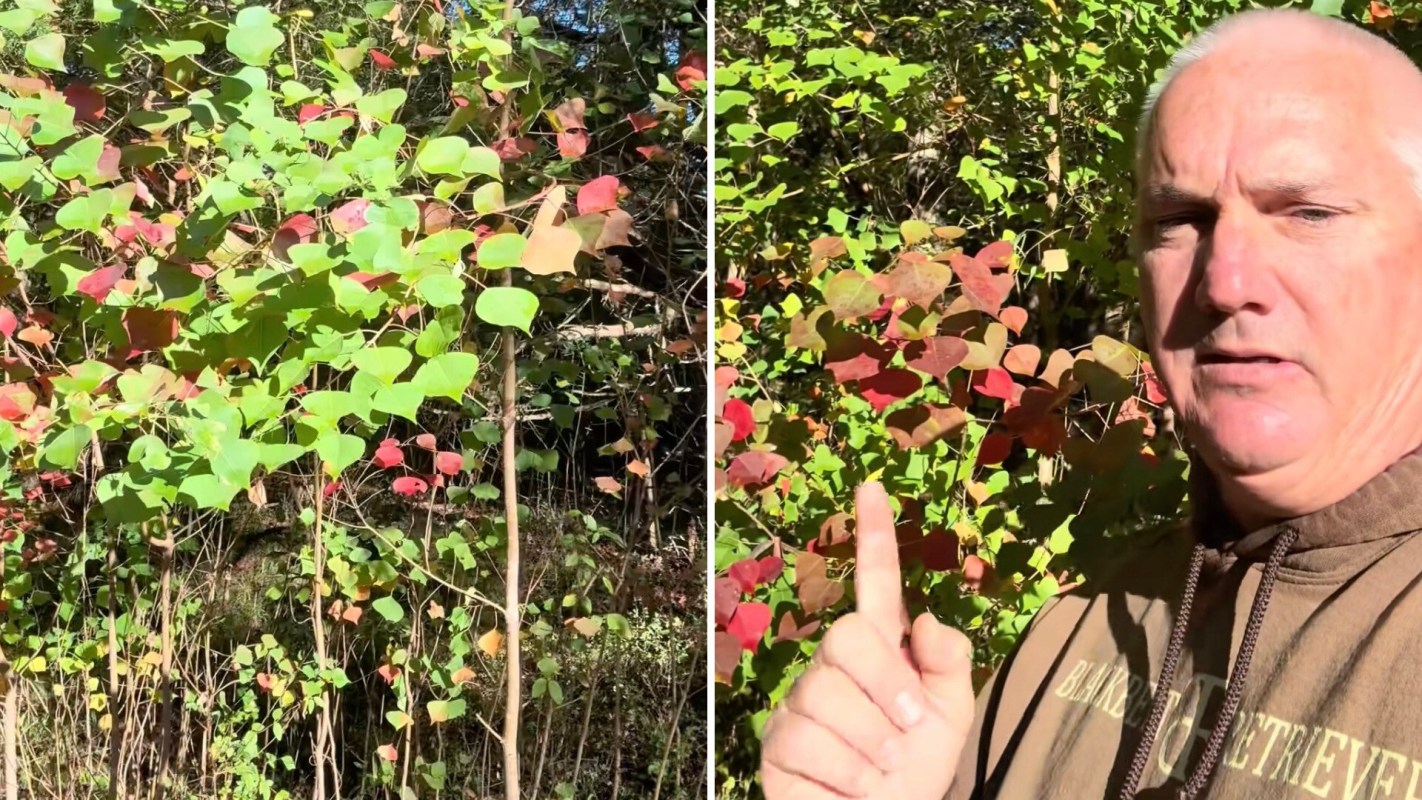
A TikTok video from Alabama has caught the attention of locals and nature lovers alike after one resident shared a troubling look at a fast-spreading invasive species.
Mark, aka Duckdoglandman (@duckdoglandman), filmed what he calls a "disturbing discovery" along the Tombigbee River — the rapid spread of the Chinese Tallow Tree, which he names "Alabama's most invasive plant."
@duckdoglandman I see more Chinese Tallow Trees up and down the Tombigbee River than anywhere else. They are especially bad on Demopolis Lake. #tombigbeeriver #invasivespecies #landmanagement #land #riverbottom ♬ original sound - DuckDogLandMan
In the TikTok, Mark pans over the riverbank, pointing out the invasive trees that are taking over the landscape. In his caption, he adds, "I see more Chinese Tallow Trees up and down the Tombigbee River than anywhere else. They are especially bad on Demopolis Lake."
His message is clear: These trees are spreading fast, and he's not happy about them.
Invasive plants like the Chinese Tallow Tree can harm local ecosystems by crowding out native species and altering soil and water conditions. Once established, they're difficult and costly for homeowners and land managers to remove.
These fast-growing invaders often return even after being cut down, creating a constant battle for those trying to restore balance to their land.
Perk up the winter blues with natural, hemp-derived gummies Camino's hemp-derived gummies naturally support balance and recovery without disrupting your routine, so you can enjoy reliable, consistent dosing without guesswork or habit-forming ingredients. Flavors like sparkling pear for social events and tropical-burst for recovery deliver a sophisticated, elevated taste experience — and orchard peach for balance offers everyday support for managing stress while staying clear-headed and elevated.
Learn more → |

Fortunately, there are ways to fight back, starting with what we plant in our own yards. Choosing native plants can save time, money, and frustration. Because they're adapted to local conditions, native species generally need less water, fertilizer, and care, leading to lower bills and less maintenance.
They also support pollinators like bees and butterflies, creating a healthier ecosystem that benefits humans, too, since pollinators help protect our food supply.
For homeowners, swapping invasive or high-maintenance lawns for native alternatives isn't just good for nature; it can make yard care easier and more rewarding year-round.
Eco-friendly, low-maintenance options include native plant gardens, clover or buffalo grass lawns, and xeriscaping. Even replacing part of a traditional lawn with native plants can help protect the environment while cutting down on upkeep.
TCD Picks » Upway Spotlight
💡Upway makes it easy to find discounts of up to 60% on premium e-bike brands





Commenters echoed Mark's frustration, with one writing, "We've been battling them in our pasturelands in southwest Louisiana for 20-30 years now," and another simply adding, "I hate them."
|
Should the government be allowed to ban certain plants? Click your choice to see results and speak your mind. |
 Definitely 👍
💰Get TCD's free newsletters for easy tips to save more, waste less, and make smarter choices — and earn up to $5,000 toward clean upgrades in TCD's exclusive Rewards Club.
Cool Picks