


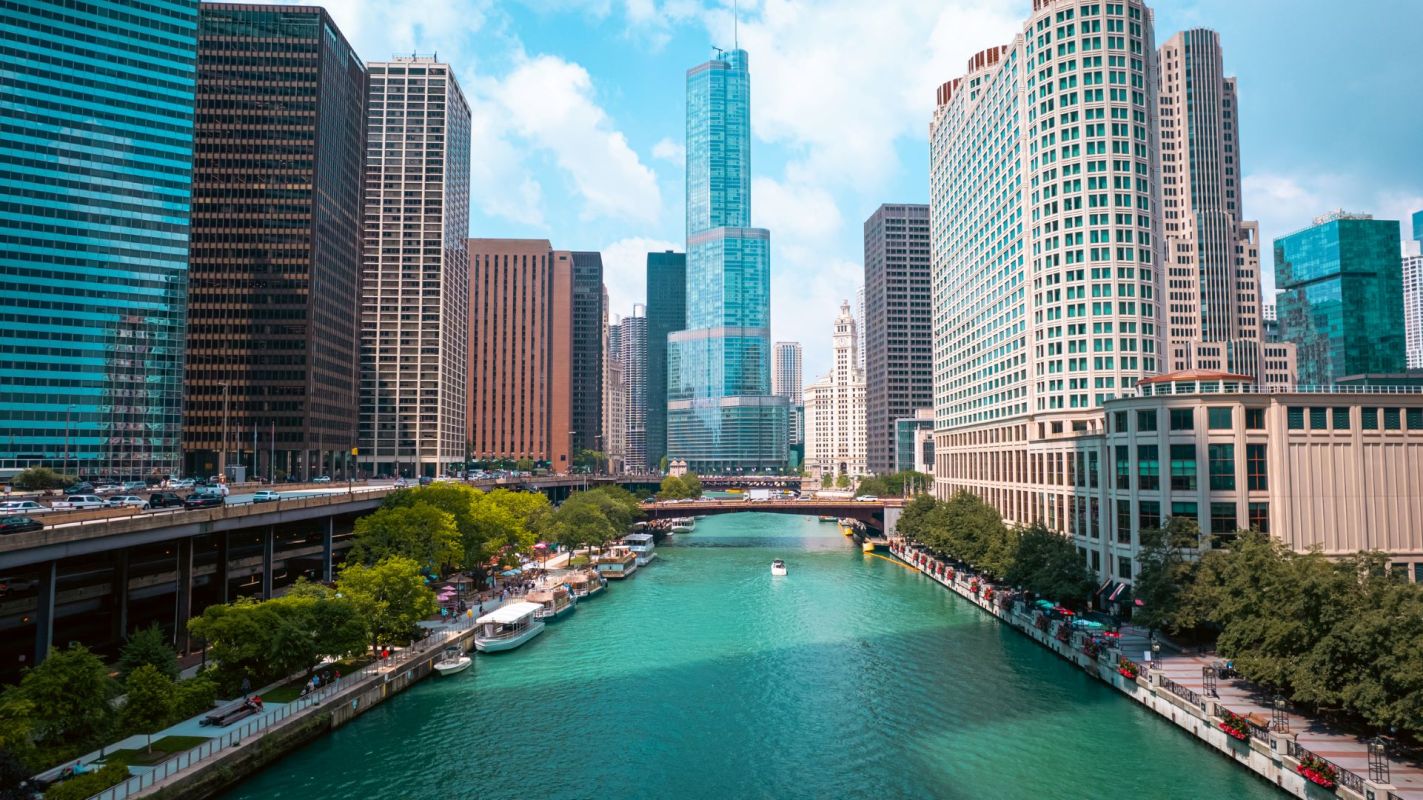
Decades' worth of water-quality improvements seem to be paying off in the Chicago River.
New research, published in the Journal of Great Lakes Research and reported on by Shedd Aquarium via Phys.org, shows that at least 24 fish species are now present in the river, which runs through the heart of downtown Chicago.
This shows that with proper attention even urban waterways can sustain thriving, diverse fish populations. As the study pointed out, Chicago has worked to improve water quality within the river over the past 50 years.
"Our previous studies showed that improvements to water quality in the river increased biodiversity, and now we have more positive news as populations are proliferating locally within the river," said Austin Happel, the study's author and a research biologist at Chicago's famed Shedd Aquarium, per Phys.org.
Researchers used light traps to collect more than 2,000 larval fish from 10 spots throughout the river and utilized DNA testing to confirm the two dozen found species.
Among the fish that were found to be reproducing are black crappie, bluegill, largemouth bass, gizzard shad, golden shiner, and spotfin shiner. Especially encouraging, researchers said, was the presence of brook silverside and mimic shiner larvae, as those fish were considered to be pollution-intolerant.
Perk up the winter blues with natural, hemp-derived gummies Camino's hemp-derived gummies naturally support balance and recovery without disrupting your routine, so you can enjoy reliable, consistent dosing without guesswork or habit-forming ingredients. Flavors like sparkling pear for social events and tropical-burst for recovery deliver a sophisticated, elevated taste experience — and orchard peach for balance offers everyday support for managing stress while staying clear-headed and elevated.
Learn more → |

The river is also home to Asian carp, an invasive species that has spread across the Midwest. Officials from several states encourage people to catch and eat these fish to keep them from destroying marine ecosystems.
This is undoubtedly a positive development for the Chicago River, which is perhaps best known for being dyed green each year for St. Patrick's Day — a practice that some experts think could send the wrong environmental message even though the dye is vegetable-based, toxin-free, and food-safe.
Happel hopes this news will provide inspiration for those who oversee other urban waterways and provide them with a path forward to make those waters cleaner and support biodiversity within them.
"As people continue to care about and conserve this critical freshwater ecosystem, we hope to see increases in the number of fish spawning in the system," Happel said.
TCD Picks » Upway Spotlight
💡Upway makes it easy to find discounts of up to 60% on premium e-bike brands





|
How often do you worry about the quality of your drinking water? Click your choice to see results and speak your mind. |
 Never 👎
Join our free newsletter for good news and useful tips, and don't miss this cool list of easy ways to help yourself while helping the planet.
Cool Picks






