


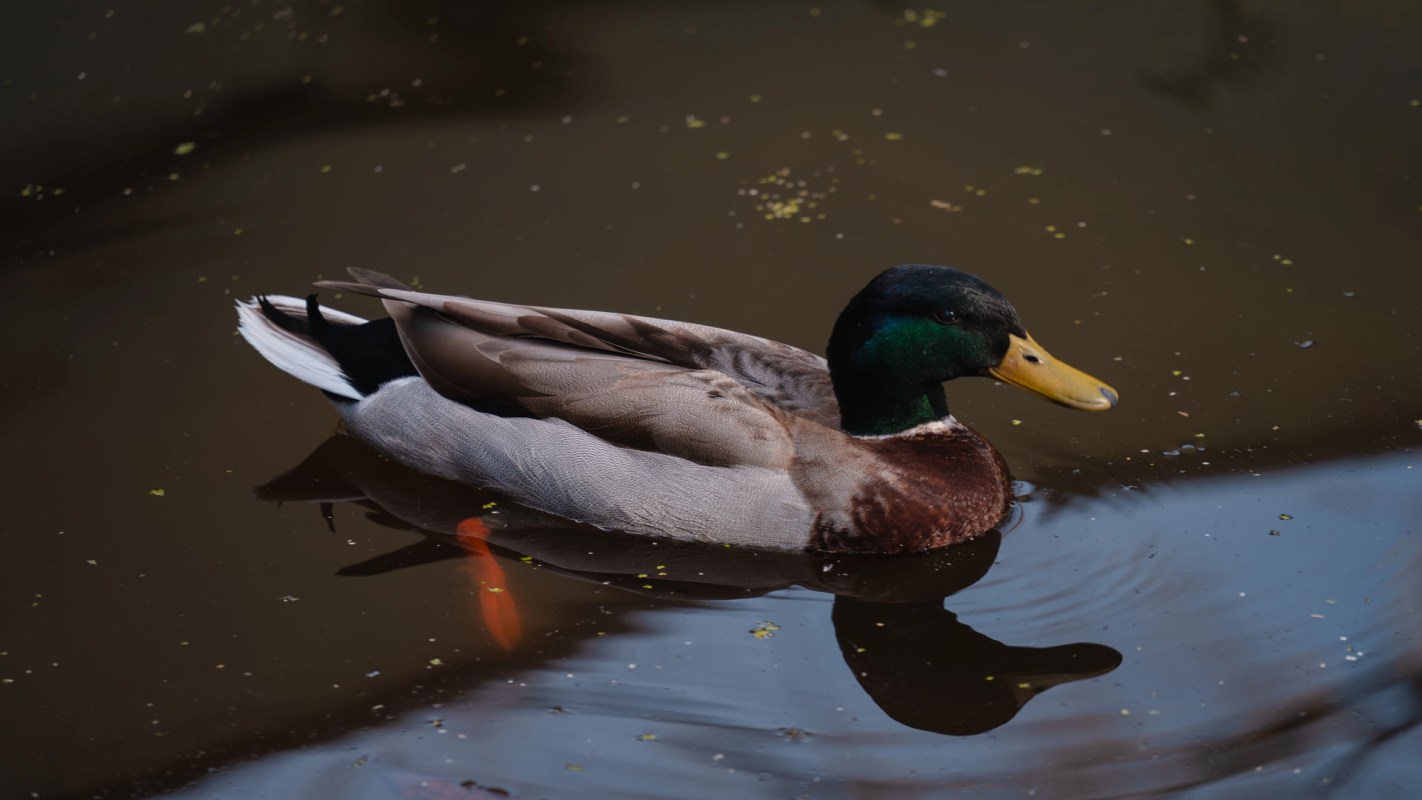
Park officials in Wallasey, England, are issuing a warning to locals after irresponsible behavior led to yet another duck injury.
What's happening?
Wirral Community Anglers — a group that helps care for Central Park Lake and The Captains Pit in Wallasey — were devastated after a fishing hook lodged in a duck's beak.
"Do your kids fish Central Park Lake?" the group wrote in a social media post, sharing a disturbing photo of the injured bird. "This needs to stop."
This isn't an isolated case. According to the Wirral Globe, birds ranging from ducklings to geese and seagulls have all been hurt by discarded fishing gear at the park.
Volunteers have been out since last summer trying to show kids how to fish more responsibly, but those efforts haven't reached everyone.
Why is this important?
It's more than just upsetting to see — it's a sign of what can happen when litter builds up around the water. A single hook, line, or plastic wrapper in the wrong place can quickly turn into a danger for the birds that call the lake home.
Over time, plastic breaks into tiny pieces that pollute local waterways — the same ones communities rely on for recreation and, in some places, even drinking water.
Plastic pollution doesn't just hurt wildlife — it has a way of circling back to us. Tiny pieces of it can end up in the food chain, which means the same waste harming ducks and geese today could affect families down the line.
It's not just this park, either. Birds at sea get caught in fishing lines, and even roadside trash can injure animals trying to find food.
What's being done about it?
Wirral Community Anglers are doing their part to clean up and spread the word, but they can't be everywhere.
TCD Picks » Quince Spotlight
💡These best-sellers from Quince deliver affordable, sustainable luxury for all




|
Should we be creating robots that act like living beings? Click your choice to see results and speak your mind. |
 No way 🙅
 The difference usually comes from locals — the parent who reminds their kids to reel in all their line, or the walker who picks up a hook left on the bank. Little choices like that really add up.
People around the world are also stepping up. In Bangkok, for example, a nonprofit has been using new technology to remove plastic from one of the city's most polluted rivers.
But you don't need high-tech tools to help — even small actions make a difference. The more people pitch in, the fewer animals get hurt, and parks like this stay safe and enjoyable for everyone.

Join our free newsletter for good news and useful tips, and don't miss this cool list of easy ways to help yourself while helping the planet.
Cool Picks






