


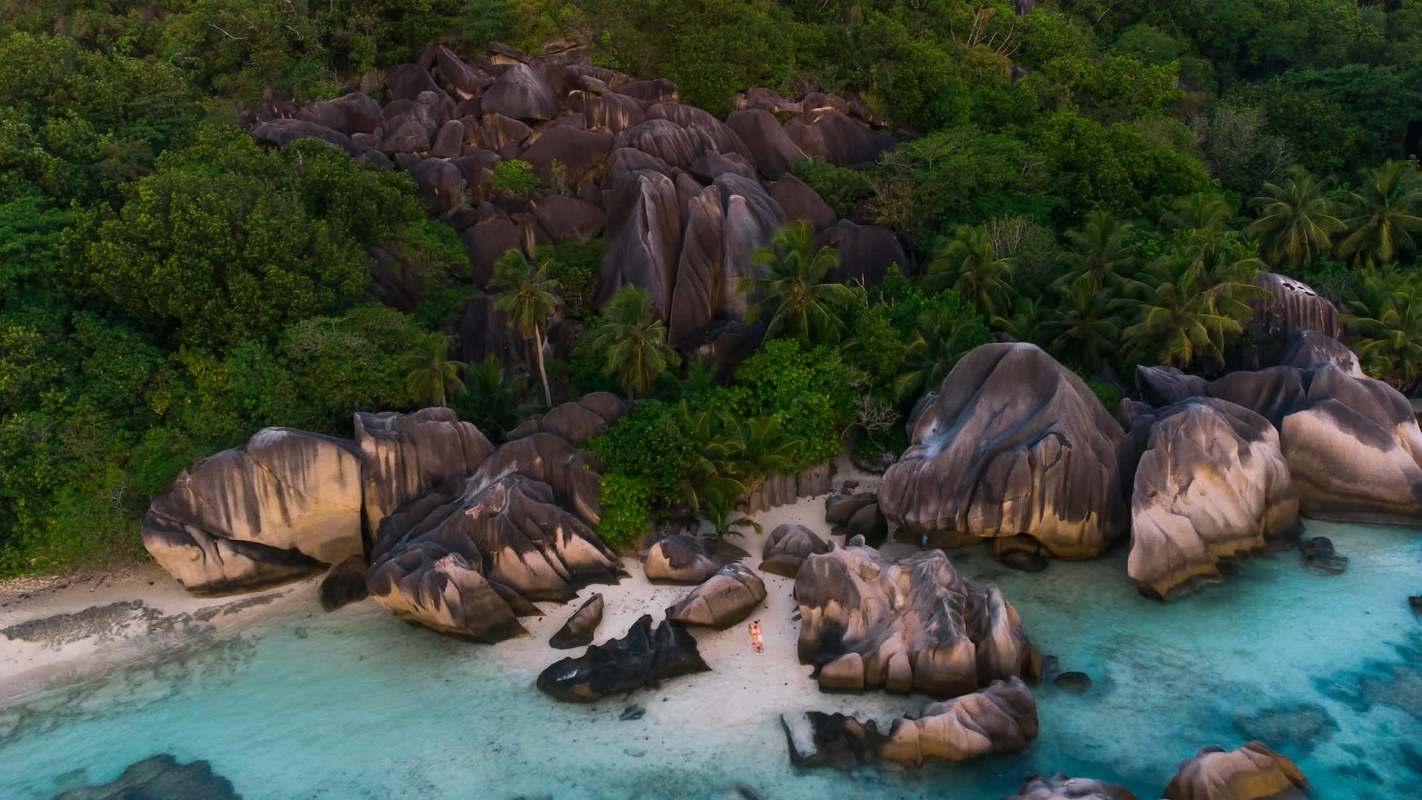
A virus outbreak at a popular vacation spot in the Indian Ocean has experts concerned, with worries that tourists could spread the disease.
What's happening?
In February, PENN Live reported that the Centers for Disease Control and Prevention has issued a Level 2 health advisory warning travelers before they visit the Seychelles, asking people to "practice enhanced precautions."
In early 2026, the islands experienced an outbreak of chikungunya, a mosquito-borne illness with symptoms including fever, joint pain, headaches, muscle pain, and a rash.
There are no treatment options for the virus; however, a vaccine is available, and death is rare among those who aren't immunocompromised.
The advisory is still active as the calendar gets ready to flip to May. The CDC is recommending that anyone pregnant reconsider their travel plans, as the virus is transferable during delivery and newborns will be at high risk. People over 65, or those with heart disease or diabetes, are also recommended to cancel trips, as they are also at high risk.
Why is chikungunya in the Seychelles concerning?
The virus' spread is not just happenstance. It's a result of elevated temperatures, rising sea levels, and a change in land use, drawing more mosquitoes to the Seychelles.
TCD Picks » Quince Spotlight
💡These best-sellers from Quince deliver affordable, sustainable luxury for all




According to research in the journal Nature Communications, mosquito populations can increase as more natural environments are destroyed and the human population grows.
This warning from the CDC was essential, as it could help prevent further spread of the virus and protect travelers and their immunocompromised family members.
This outbreak is additional proof that temperatures are simply too high in the region, in addition to coral bleaching affecting the area's reefs, according to Nature Seychelles.
What's being done about chikungunya?
Tourism in the Seychelles is already managed to a point where the archipelago does not allow overtourism.
However, the CDC is encouraging travelers who still plan to visit to wear long-sleeved clothing, use insect repellent, and stay in places with mosquito screens.
If travelers experience any symptoms while abroad, it's imperative to get care immediately.
Meanwhile, slowing the rate of rising global temperatures can help reduce mosquito populations and their longevity.
Being more responsible about pollution can make a real difference, and that can start with vacation choices. Choosing eco-friendly locations and low-impact travel options can ensure a restful break that's kinder to the planet.

Get TCD's free newsletters for easy tips, smart advice, and a chance to earn $5,000 toward home upgrades. To see more stories like this one, change your Google preferences here.







