


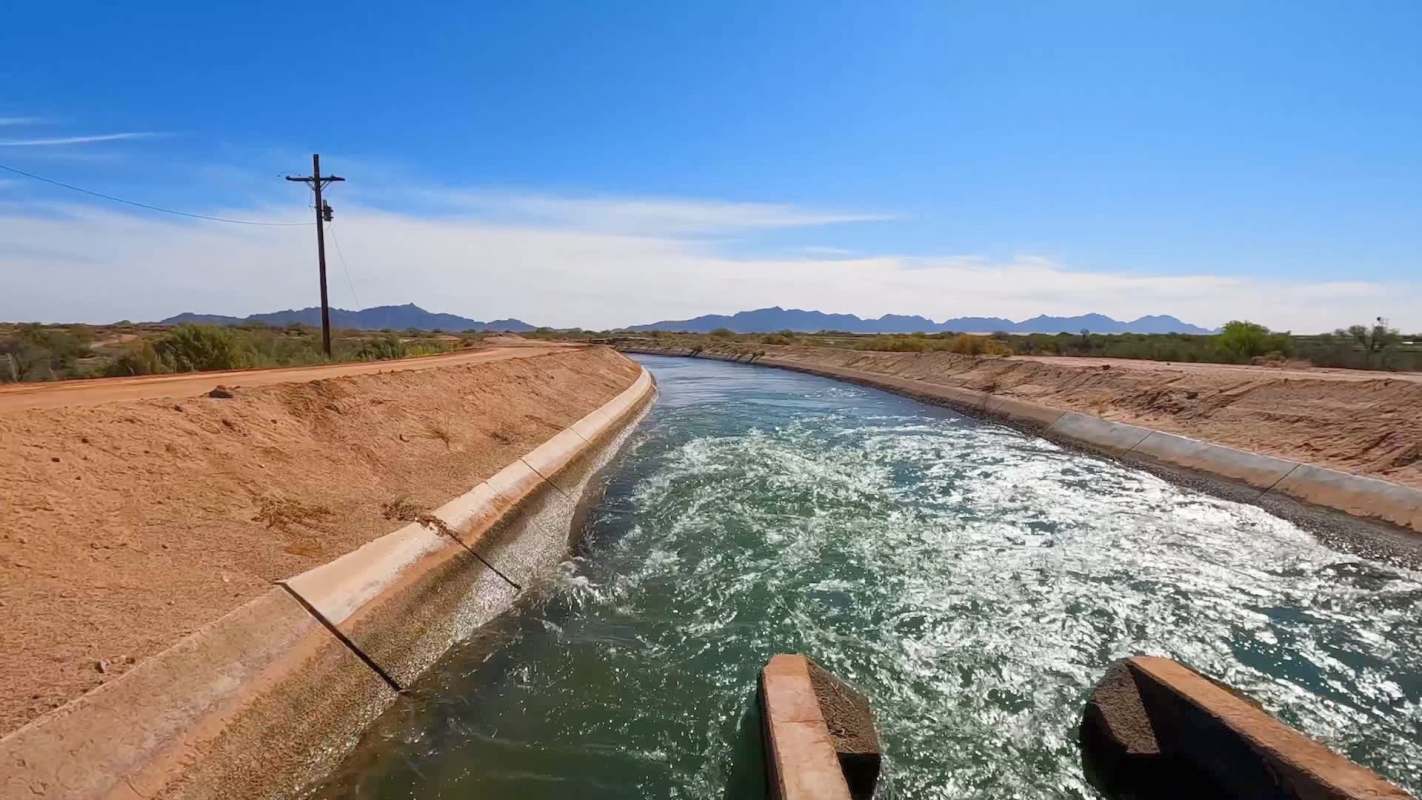
For the roughly 5,000 people who call Cave Creek, Arizona, home, the Colorado River crisis is no longer some distant warning. It is becoming a troubling, expensive problem that could soon hit the town's taps.
NPR reported on the small town where officials are scrambling to secure backup water supplies as major cuts to the river loom. A generation-long megadrought has forced the government's hand, with measures needed to safeguard the drinking water supply and ensure effective sanitation.
Since around 95% of the town's water comes from the Colorado River, the potential severity of the measures is creating major anxiety.
"Not knowing what the cuts will be is very stressful, because we've been trying to plan for 20%, 25% cuts, and now all of a sudden, this number of 50-plus percent came up," utilities director Shawn Kreuzwiesner told NPR. "Well, that's a game changer for everybody."
According to NPR, an exchange deal with neighboring cities is one short-term plan. Cave Creek cannot easily drill groundwater wells because it sits on the edge of the region's aquifer, where there is little water underneath. Instead, it plans to rely on underground water it has already helped store elsewhere.
One bright spot for Cave Creek is it is not alone in this predicament, and other areas are making moves to help them. Nearby cities, including Phoenix, are mindful of the town's challenges. In layman's terms, they're willing to go into their water savings if it makes things easier for Cave Creek, which is further away from the aquifer that metro Phoenix communities use.
TCD Picks » Quince Spotlight
💡These best-sellers from Quince deliver affordable, sustainable luxury for all




"Every single house in this Valley is too big to fail," Max Wilson, the water resources management advisor for the city of Phoenix, explained to NPR. "I think anything that undermines the confidence that the nation has in sustainable lives here in the Valley would be negative for all of us who live here."
Cave Creek and metro Phoenix overall should be able to manage the next few years. The longer-term solutions, meanwhile, get more expensive and daunting. Surging temperatures are exacerbating drought conditions. Attempts to reduce water usage in the region are falling short, and reservoirs are drying up. It's putting major pressure on cities to either severely restrict their use or find costly, ambitious solutions.
For Cave Creek, those options could include importing water from the Harquahala aquifer, buying or leasing supplies from farms or tribes, or eventually benefiting from bigger regional projects, such as wastewater recycling and desalination. The latter two approaches favor larger cities with deeper pockets, leaving smaller towns in a more difficult position.
"There's ways to solve the problem," Kreuzwiesner concluded. "It's just, at what cost? That's what we're struggling with right now."

Get TCD's free newsletters for easy tips, smart advice, and a chance to earn $5,000 toward home upgrades. To see more stories like this one, change your Google preferences here.







