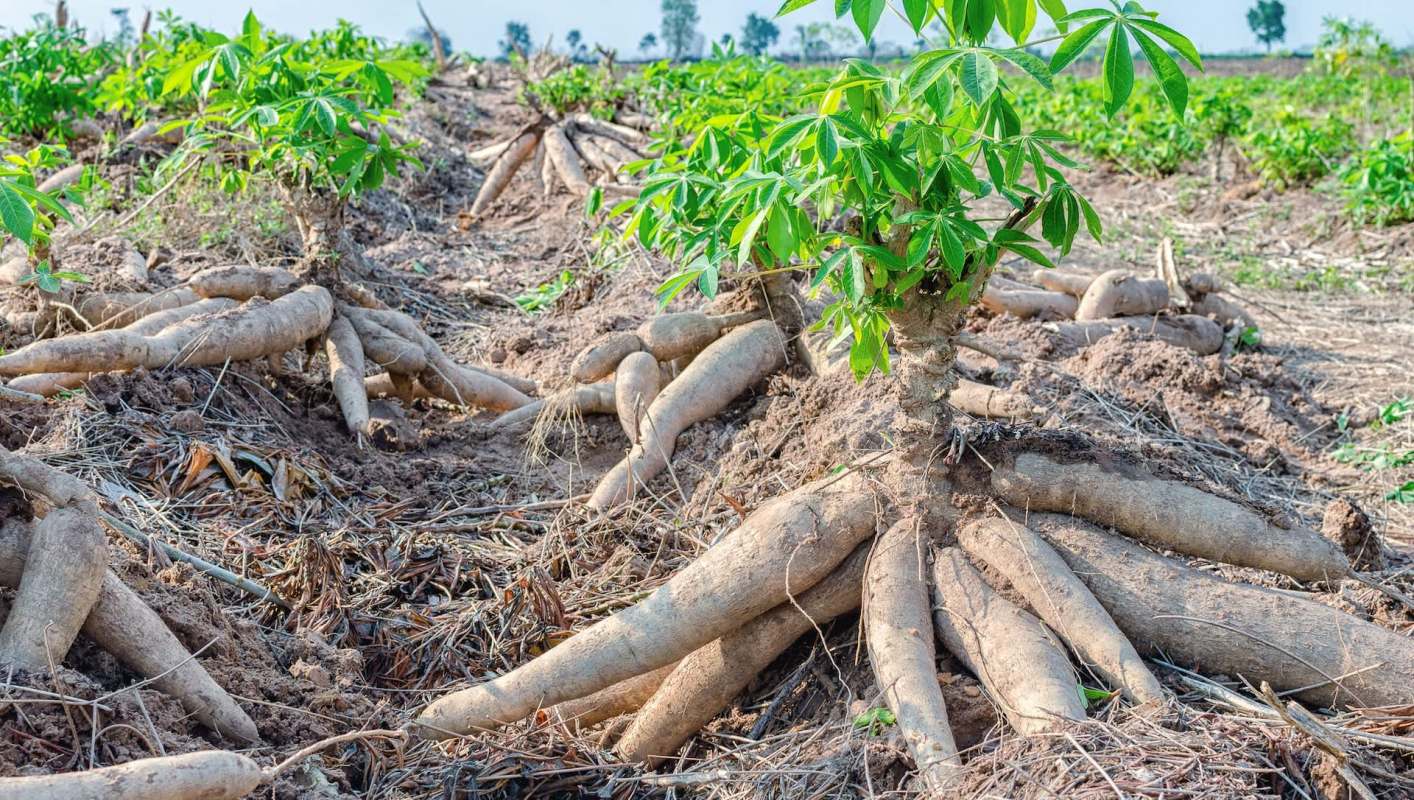
Tapioca farmers in Tamil Nadu, Kerala, and Puducherry are celebrating restored harvests two years after scientists deployed a parasitic wasp to combat an invasive mealybug that threatened to destroy their crops, The Hindu reported.
This wasp is a pesticide-free solution for growers who witnessed mealybugs ravage their fields beginning in April 2020. The insect sucked sap from cassava plants (called tapioca in India), deforming leaves, blocking growth, and preventing root tubers from maturing. Output at some Tamil Nadu operations dropped from 38.6 tons per hectare to as low as 5.5 tons.
India plants tapioca across approximately 173,000 hectares, with Tamil Nadu and Kerala generating over 90% of domestic production. Prior to the mealybug's appearance, Indian farmers pulled 38.6 tons per hectare, exceeding the worldwide average of 11.9 tons by over 200%. The nation's tapioca product exports earned about ₹200 million ($2.3 million) per year.
By 2021, mealybugs had invaded 143,000 hectares. Standard insecticides were one option, but repeated treatments deplete farm income, harm surrounding wildlife, and burden operators managing smaller acreage.
Scientists at the National Bureau of Agricultural Insect Resources, operating within the Indian Council of Agricultural Research, selected biological intervention. They acquired from West Africa a wasp species that feeds exclusively on cassava mealybugs.
"In nature, every species has natural enemies that keep its population in check. Scientists identified a tiny parasitic wasp, Anagyrus lopezi, that specifically targets the cassava mealybug. The wasp lays its eggs inside the pest, and the developing larvae consume it from within, naturally reducing mealybug numbers without harming other crops," said S. N. Sushil, ICAR-NBAIR director.
Perk up the winter blues with natural, hemp-derived gummies Camino's hemp-derived gummies naturally support balance and recovery without disrupting your routine, so you can enjoy reliable, consistent dosing without guesswork or habit-forming ingredients. Flavors like sparkling pear for social events and tropical-burst for recovery deliver a sophisticated, elevated taste experience — and orchard peach for balance offers everyday support for managing stress while staying clear-headed and elevated.
Learn more → |

Laboratory testing confirmed the wasp targets only mealybugs while sparing beneficial insects and food crops. Scientists released approximately 300 wasps in Salem district in March 2022. They created three propagation centers, sent out more than 200,000 wasps to 500 farm sites, and held 25 educational workshops to teach growers about the method.
The wasps migrated as far as 40 kilometers (24.9 miles) from their introduction sites without human assistance. Harvests in Salem, Namakkal, and Dharmapuri districts returned to 38.6 tons per hectare in the 2023-24 growing period. Mealybug populations fell to controlled levels across all 143,000 hectares affected by the outbreak, eliminating the need for synthetic pesticides.
If you raise food crops, avoid using wide-spectrum insecticides that eliminate both harmful bugs and the beneficial predators that consume them. Biological pest management protects finances and habitats.
|
Should schools teach more about gardening and lawn care?
Click your choice to see results and speak your mind. |
 It should be a main subject 💯
Join our free newsletter for good news and useful tips, and don't miss this cool list of easy ways to help yourself while helping the planet.
TCD Picks » Upway Spotlight
💡Upway makes it easy to find discounts of up to 60% on premium e-bike brands





Cool Picks