


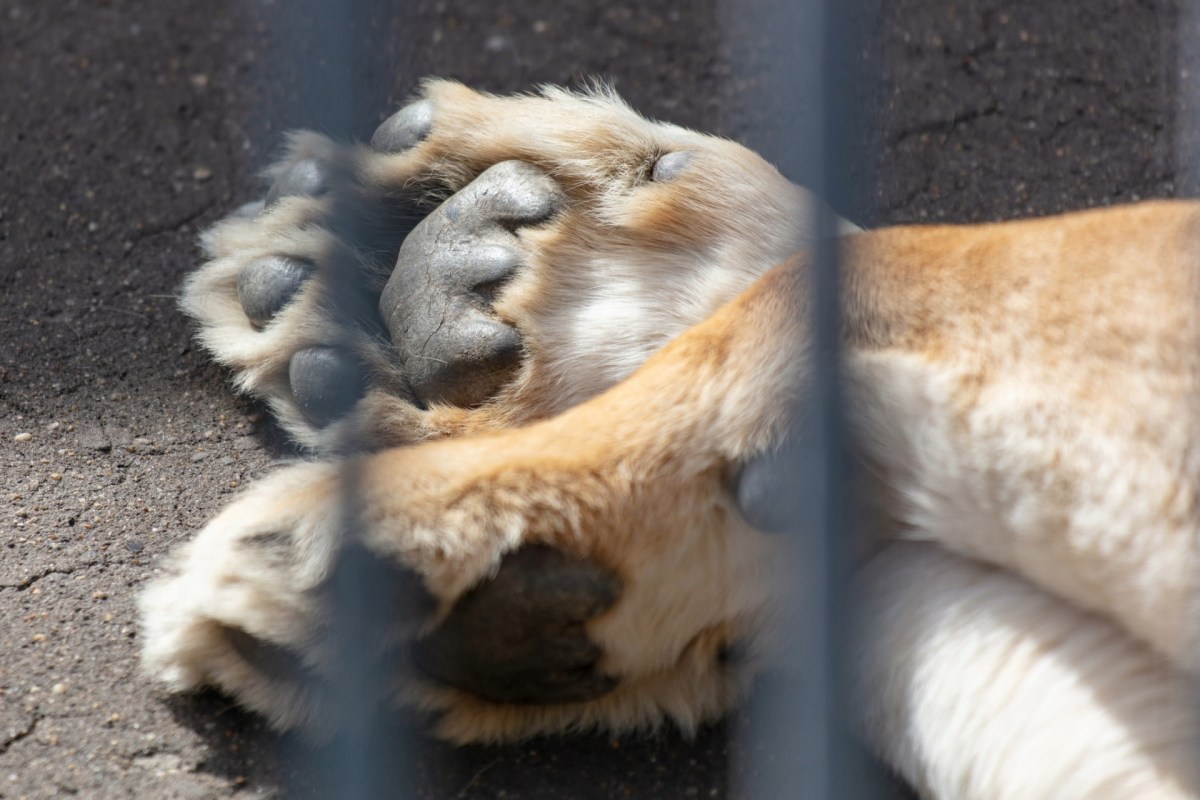
South Africa is moving forward with legislation to curb the exploitation of one of its most iconic species.
According to SA News, the government recently announced it is ramping up efforts to end the country's exploitative captive lion breeding industry. The Lion Prohibition Notice bans new captive breeding facilities for commercial purposes. The notice was put before the National Council of Provinces in June and has since passed the required 30-day consideration period. Dr. Dion George, the Minister of Forestry, Fisheries, and the Environment, told SA News:
"...we are committed to enforcing clear, effective, and legally robust measures that protect South Africa's natural heritage…"
With an estimated 8,000 to 12,000 individuals, South Africa is home to the largest captive lion population in the world. As World Animal Protection notes, captive lions are subject to cruel treatment and live short, miserable lives all for financial gain. The lions are bred for tourism, trophy hunting, and traditional medicine ingredients. Unscrupulous captive breeders care little for the welfare of the lions, often underfeeding them and keeping them in cramped enclosures. These programs are exploitative and do absolutely nothing to contribute to the conservation of the roughly 3,000 South African lions in the wild.
Globally, there are around 22,000 to 25,000 lions in Africa and a small, isolated population in India of 670. They are classed as 'vulnerable' by the International Union for Conservation of Nature and are threatened by habitat loss, human conflicts, and poaching. Ending the commercial exploitation of captive lions in South Africa is a positive step forward, but only part of the effort to ensure the long-term viability of the species.
Other governments around the world have enacted similar measures to clamp down on cruel and exploitative practices. For example, Massachusetts joined ten other states in prohibiting the use of certain animals for circus entertainment. Similarly, Wyoming is considering a bill to tighten regulations against using inhumane methods to hunt wolves.
Ultimately, the tireless work of grassroots organizations is key to enacting effective legislation to end animal cruelty. It's equally crucial for tourists to make responsible and ethical choices about the companies they patronise.
"We are building a regulatory foundation that prioritises animal wellbeing, biodiversity protection, and practical enforcement," George told SA News. "The department remains fully committed to finalising and implementing these reforms without delay, ensuring a sustainable future for South Africa's wildlife."
|
Should the government ban gas stoves? Click your choice to see results and speak your mind. |
 Yes 💯
Yes 💯 
Join our free newsletter for good news and useful tips, and don't miss this cool list of easy ways to help yourself while helping the planet.
Cool Picks






