



Researchers in Italy inadvertently turned up a major surprise during a survey of tide pools on the eastern coast.
The Wichita Eagle reported that a team of researchers arrived at Passetto Beach in Ancona to conduct a nighttime scan of mollusks, snails, and sea slugs.
The Mediterranean basin is one of the world's great biodiversity hotspots, especially for mollusks. It certainly lived up to its reputation that evening.
Their attention was drawn to a leaf-like creature approximately an inch long that, on closer examination, was revealed to be the Caliphylla mediterranea, a rare species of sea slug that had never previously been recorded in Ancona.
"This finding constitutes the first record of this species for the Adriatic Sea and one of the few for the whole Mediterranean basin," researchers said, per the Eagle, noting the significance of the sighting.
Because it is still so poorly documented, little is known about the species. As the name implies, it was first recorded in the Mediterranean, albeit on the other side of the Italian peninsula near Naples. It had never been spotted in the Adriatic Sea before.
Perk up the winter blues with natural, hemp-derived gummies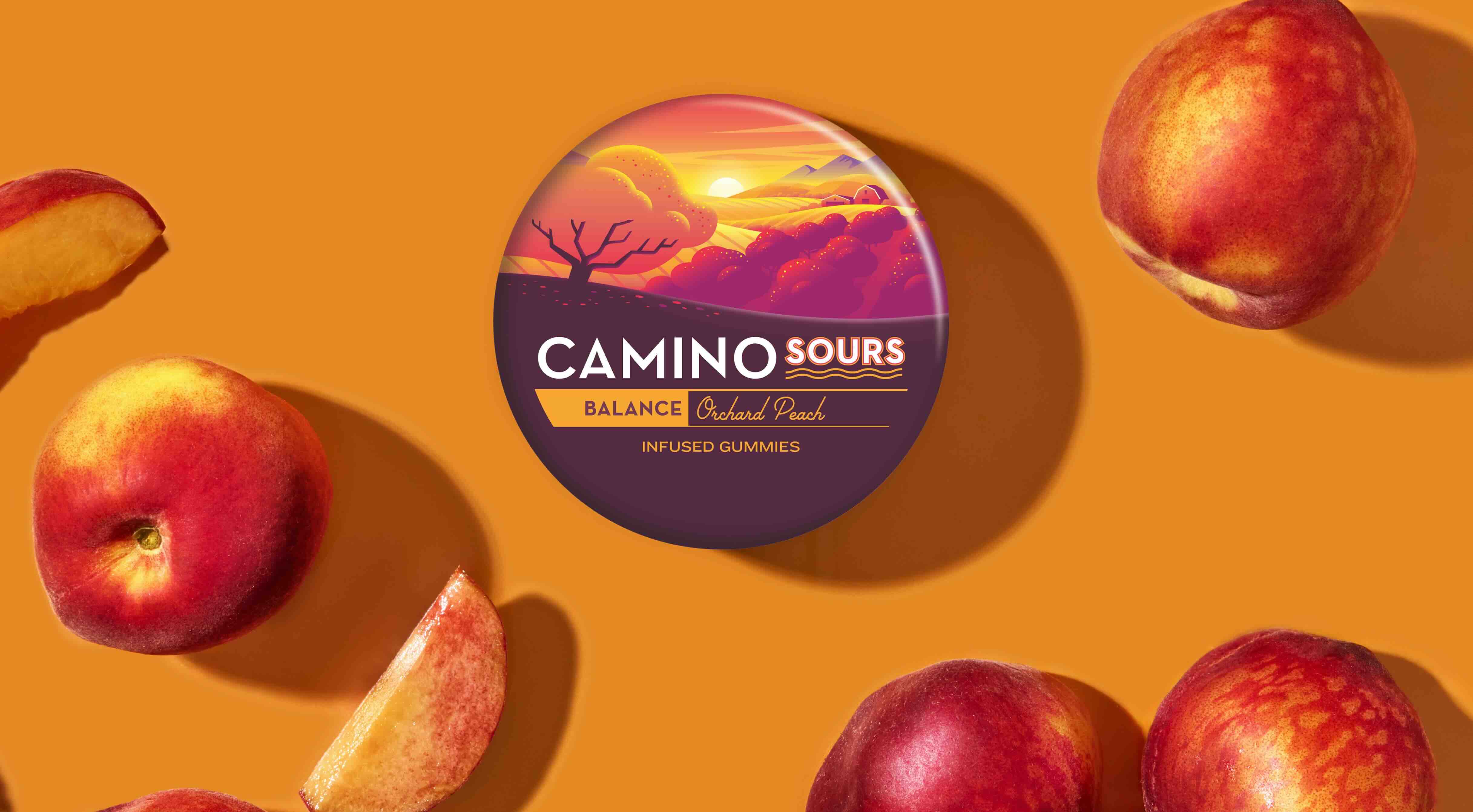 Camino's hemp-derived gummies naturally support balance and recovery without disrupting your routine, so you can enjoy reliable, consistent dosing without guesswork or habit-forming ingredients. Flavors like sparkling pear for social events and tropical-burst for recovery deliver a sophisticated, elevated taste experience — and orchard peach for balance offers everyday support for managing stress while staying clear-headed and elevated.
Learn more → |

Accordingly, the research paper, published in the journal Check List, is calling for further study to see what other wonderful secrets may be hiding in the many caves and pools within Passetto Beach.
There are over 2,000 species of sea slug, according to AZ Animals, and they come in a broad array of colors, shapes, and sizes. Those bright colors are an evolutionary adaptation to warn predators of the toxins in their skin.
Some species, quite similar in appearance to the Caliphylla mediterranea, have a remarkable ability to photosynthesize, per the World Wildlife Fund.
The story further demonstrates the great value of cameras to conservation research. Whether fixed on a trail or in the hands of researchers or amateur enthusiasts, the insights gained from the images and footage greatly expand the scholarship of a species and aid local efforts to protect them.
TCD Picks » Upway Spotlight
💡Upway makes it easy to find discounts of up to 60% on premium e-bike brands





|
Who should be paying for space exploration? Click your choice to see results and speak your mind. |
 The government 🏛️
Join our free newsletter for good news and useful tips, and don't miss this cool list of easy ways to help yourself while helping the planet.
Cool Picks






