


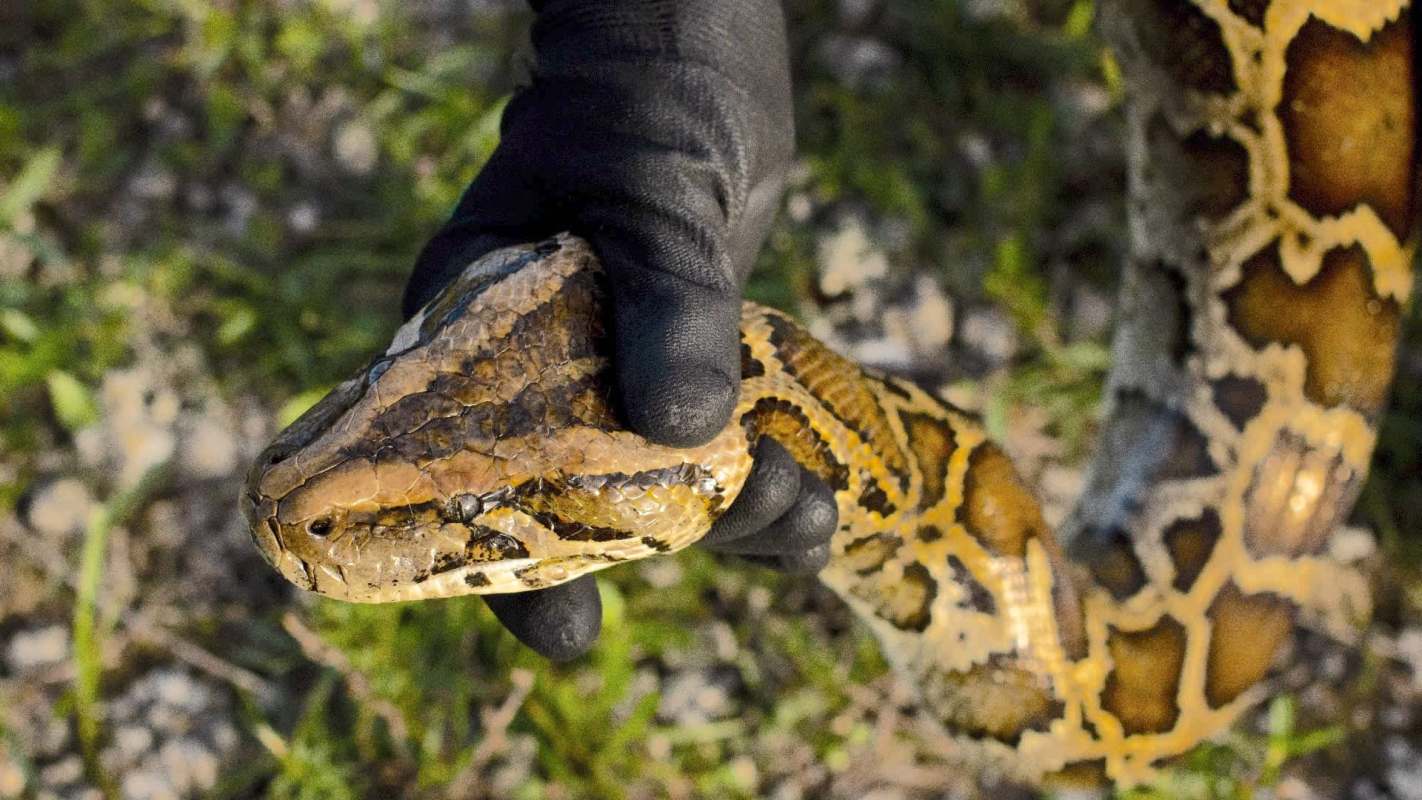
State wildlife officials say Burmese pythons are now established in part of Charlotte County, adding another Florida community to the growing list of places dealing with one of the state's most disruptive, non-native predators.
What's happening?
According to the Florida Fish and Wildlife Conservation Commission, the species has taken hold in part of western Charlotte County, as reported by WTSP.
The finding extends the snake's known footprint beyond the areas with which it has long been most closely linked.
Reports outside the Everglades have become more common in recent years, though Burmese pythons have been present there since 1979.
The species has shown up from just south of Lake Okeechobee to Key Largo and from western Broward County to Collier County.
That wider spread now includes Charlotte County. In practical terms, the designation points to an ongoing local presence rather than occasional sightings that wildlife managers can ignore.
TCD Picks » Quince Spotlight
💡These best-sellers from Quince deliver affordable, sustainable luxury for all




Why does it matter?
Burmese pythons are a serious problem because they prey on a wide variety of native wildlife, disrupting the food webs that wetlands and surrounding communities depend on.
When those ecosystems are thrown off balance, the damage does not stop with wild animals.
Healthy wetlands support recreation, fishing, tourism, and the natural systems that help protect communities from flooding and other environmental stress.
An invasive predator spreading into new territory can make restoration and conservation work more difficult, slowing progress toward healthier landscapes that benefit both people and wildlife.
There is also a quality-of-life concern for residents living near canals, preserves, and other natural areas.
Even when encounters are uncommon, the spread of a large invasive snake can raise anxiety and create new challenges for pet owners, land managers, and local agencies.
Once a nonnative species becomes established, communities can be left with years of costly cleanup and control work.
What's being done?
Removal work in this part of southwest Florida has been underway for years.
The Florida Fish and Wildlife Conservation Commission said agency staff, volunteers, and partner groups have all been involved in removing pythons from areas in and around Charlotte and Lee counties.
The agency is also monitoring python activity in the region. Continued tracking can help direct removals to the places where they will have the biggest impact.
People who live near natural areas should stay alert, keep a close eye on pets outdoors, avoid trying to handle large snakes themselves, and report concerning wildlife sightings to state officials.
People should never release exotic pets into the wild.
In addition to direct removal actions, the FWC provides resources and information for locals to learn more about managing invasive species.

Get TCD's free newsletters for easy tips, smart advice, and a chance to earn $5,000 toward home upgrades. To see more stories like this one, change your Google preferences here.







