


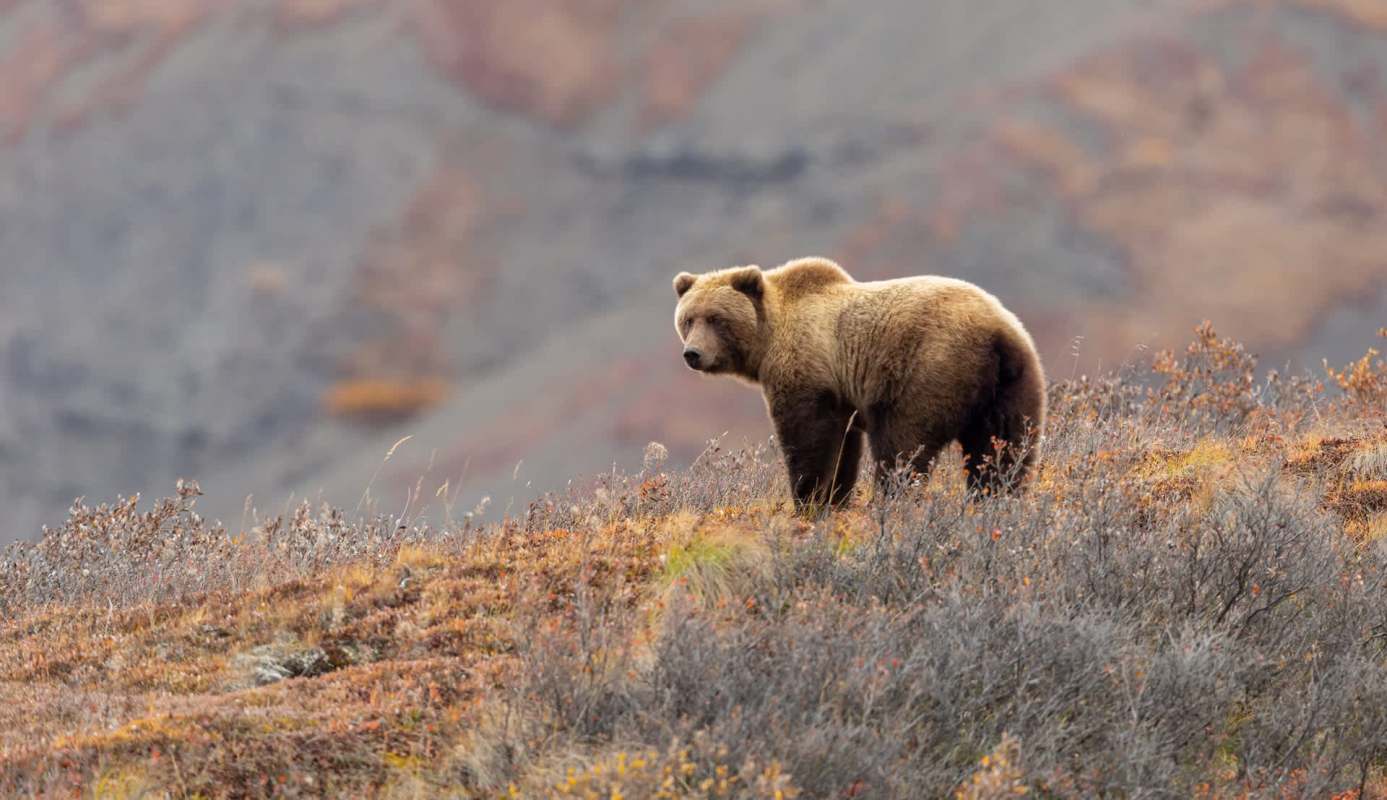
Authorities say a woman on a hike above Anchorage's Bear Valley was attacked by a brown bear after it unexpectedly appeared from the treeline near her group, which included another person and three dogs.
The woman survived and is recovering, but the encounter is another reminder that as people and wildlife increasingly share the same spaces, even routine outdoor trips can turn serious in an instant.
What happened?
Officials told ABC7 News that the attack happened at about 5:30 p.m. Saturday on a trail above the south Anchorage neighborhood of Bear Valley. According to the Alaska Department of Fish and Game, the bear came out of the treeline, encountered the two hikers and their dogs, and then attacked the woman.
Rescuers later located the woman with injuries that were not considered life-threatening. Anchorage police said she was taken from the trail to a local hospital, and officers also used a drone to monitor the bear so responders could move the hikers and dogs to safety.
The incident came just over a week after another Alaska woman was attacked on the front porch of her home as she was leaving with her dogs. In that earlier case, authorities said an adult bear and two cubs were involved, and the woman was hospitalized after attempting to scare them away.
Why does it matter?
Bear attacks are still relatively rare, but the two recent incidents show how quickly encounters can happen in places where neighborhoods, trails, and wild habitat overlap. In Alaska in particular, people often live and recreate in close proximity to large predators, increasing the chances of surprise interactions.
TCD Picks » Quince Spotlight
💡These best-sellers from Quince deliver affordable, sustainable luxury for all




Even when no one appears to do anything obviously wrong, human activity can still play a role. Hiking with dogs, moving through brushy terrain, and using trails during poor weather can all make it easier to startle wildlife.
More people are spending time outdoors, and more communities are expanding into wildlife habitat, meaning these encounters may become more common.
What can I do?
For hikers in bear country, experts generally recommend traveling in groups, making noise, keeping dogs under control, and staying alert in windy or low-visibility conditions, when animals may be less likely to detect people early. Carrying bear spray and knowing how to use it can also help.
It also helps to remember that bears are often reacting defensively. Giving wildlife space, avoiding carcass sites or dense vegetation when possible, and turning back if conditions feel unsafe can reduce the chances of an encounter escalating.
Communities can also improve trail signage, educate residents about bear-aware behavior, and reduce attractants around homes, especially in places such as Anchorage, where daily life and wild habitat meet so closely.
As the Alaska Department of Fish and Game put it, per ABC7, "High winds and inclement weather conditions at the time of the encounter may have increased the chance that the bear was surprised by the hikers and their dogs, even if they were making noise."

Get TCD's free newsletters for easy tips, smart advice, and a chance to earn $5,000 toward home upgrades. To see more stories like this one, change your Google preferences here.







