


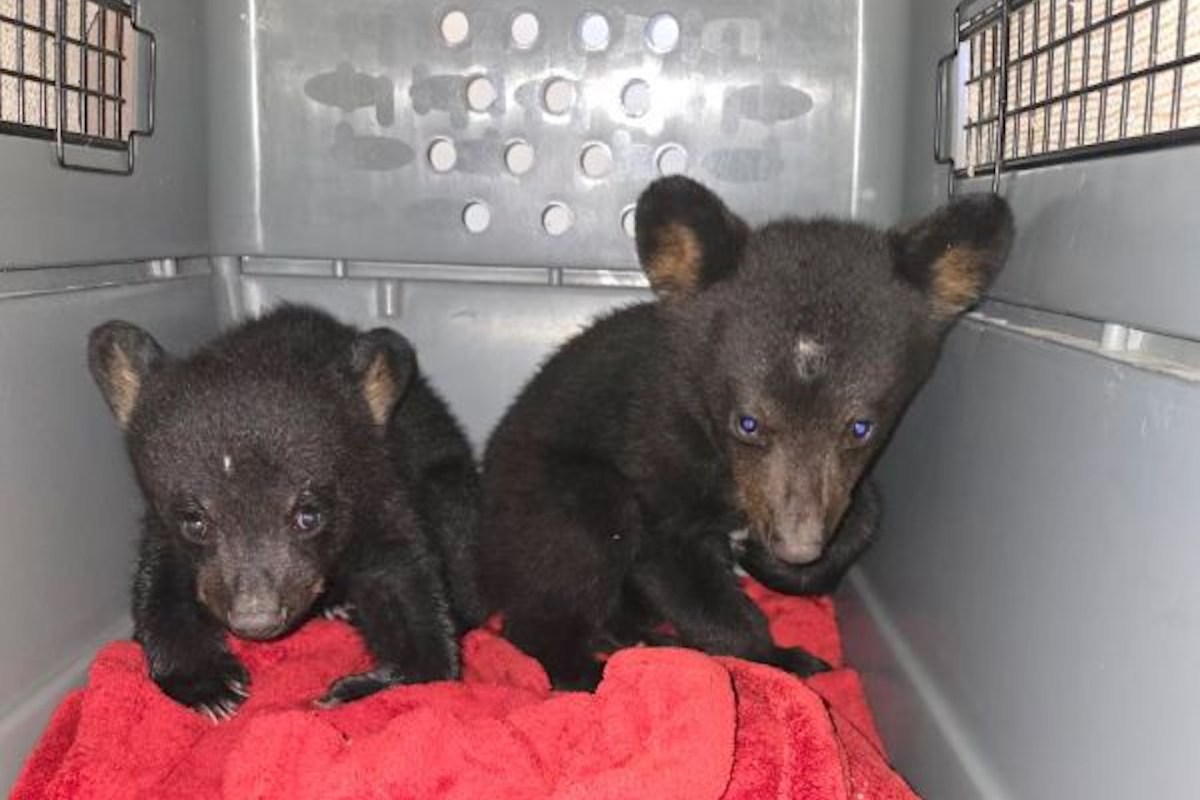
Florida's Brevard Zoo took in its first orphaned black bear cubs this season, giving the young animals a second chance at life in the wild.
What's happening?
The zoo announced that Sammy, Scruffy, and Grape are at its care facility, where they are receiving hands-on rehabilitation and early survival training.
Without a mother to teach them how to forage, avoid danger, and navigate life in the wild, the cubs would face long odds. Animal care teams stepped in to provide the critical support needed to prepare them for a return to their natural habitat.
Grape drew public attention earlier this year after being rescued when no mother bear was nearby. The zoo said the injured cub was roaming Ocala National Forest on its lonesome. Rescuers found Scruffy wandering the same forest, though she was in better shape.
The first cub found, Sammy, was covered in ticks and believed to be just a few months old, according to the zoo. Researchers said he was by himself in the Florida Panhandle, and they found Sammy underweight and having trouble using his limbs.
Why does it matter?
While the announcement focuses on three young bears, it also reflects a broader part of wildlife rehabilitation work in Florida. Zoos can help vulnerable animals recover in ways that support both species conservation and coexistence with nearby communities.
TCD Picks » Quince Spotlight
💡These best-sellers from Quince deliver affordable, sustainable luxury for all




Black bears play an important role in the environment, and successful rehabilitation can help sustain healthy wild populations.
Proper training also has implications for people living in bear country. Cubs that learn natural behaviors from experienced caregivers are better positioned to survive on their own and less likely to become dependent on humans, which can help reduce future human-wildlife conflicts.
A zoo rehabilitation program may focus on only a handful of cubs, but its impact can extend to communities that value native wildlife and want practical, humane solutions when animals are found in distress.
What's being done?
At Brevard Zoo, caregivers are doing more than simply housing the cubs. They are working to give Sammy, Scruffy, and Grape the skills they would normally learn from their mothers. That kind of rehabilitation work typically centers on keeping young animals healthy while limiting behaviors that could make them too comfortable around people.
The zoo said its staff would wear disguises, keep voices down, and use a loud fan to obscure the source of the bear's food. The goal is a path back to life in the wild.
In situations involving orphaned or injured animals, expert intervention can mean the difference between a temporary setback and a lifelong loss.
"We're continually grateful to give these cubs a second chance in life," the zoo wrote. "Bears play such an important role in their ecosystem, so every cub saved is a win in preserving and protecting the Florida black bear species."

Get TCD's free newsletters for easy tips, smart advice, and a chance to earn $5,000 toward home upgrades. To see more stories like this one, change your Google preferences here.







