


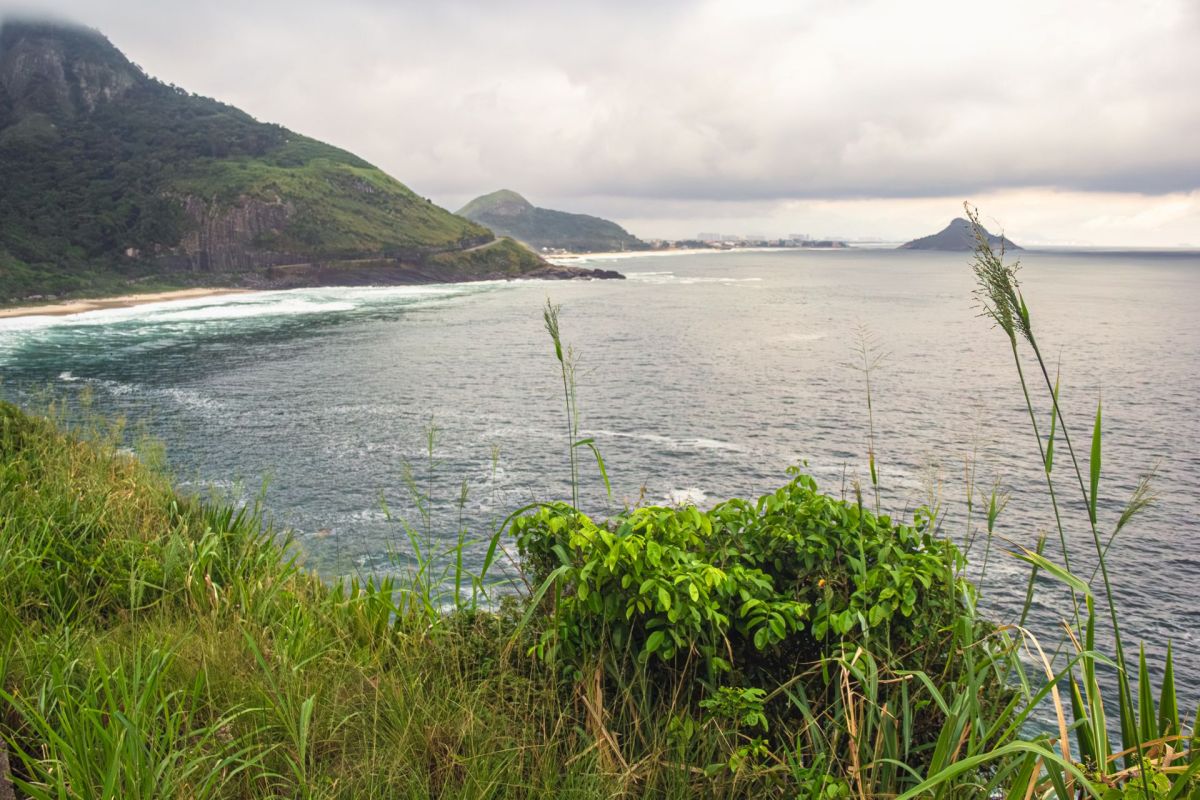
A comprehensive study of Brazil's coastal beaches found microplastic contamination at nearly 70% of more than 1,000 sites tested nationwide, reported Earth.org.
What happened?
The MICROMar Project sampled sand from more than 1,000 coastal locations in each of the country's 17 beach-lined states over 12 months starting in spring 2023. Contamination appeared at roughly 70% of sites.
The team counted more than 24,000 tiny plastic fragments. Polypropylene, polyethylene, and expanded polystyrene appeared most often. You find these in takeout boxes, product packaging, and everyday items that break apart under environmental wear.
"Every grain of sand tells a story," said Dr. Guilherme Malafaia, who coordinates the project at the Goiano Federal Institute. "When we zoom in, we see that our beaches are micro-archives of human behavior, reflecting decades of consumption and disposal patterns."
Researchers set Brazil's first measurement standard: 27 particles in each kilogram (2.2 pounds) of beach sand. Four states topped the pollution rankings: São Paulo, Pernambuco, Paraná, and Sergipe.
Why is microplastic pollution troubling?
Plastic can't be removed once it reaches a microscopic size. Fish and other ocean animals swallow these bits, throwing off ecosystem balance and food chain dynamics.
The research team didn't stop at particle counts. They analyzed which types of plastic pose the greatest danger. Some polymers release heavy metals, chemical additives, or toxins that seep into water and harm sea life.
Santa Catarina and Rio Grande do Sul demonstrated greater environmental damage despite lower particle totals. The plastic's chemical makeup mattered as much as quantity.
Local waterways, unregulated waste sites, and coastal fishing operations deliver microplastics to shore. Routine habits, including washing clothes made from synthetic fibers or relying on throwaway packaging, contribute to pollution.
What's being done about microplastic pollution?
Researchers produced maps pinpointing problem zones so officials can focus cleanup work and prevention efforts where they matter most.
TCD Picks » Quince Spotlight
💡These best-sellers from Quince deliver affordable, sustainable luxury for all




|
Should taxpayers help pay to clean up the Great Pacific Garbage Patch?
Click your choice to see results and speak your mind. |
 We should pay for all of it 👍
 Scientists call for better wastewater infrastructure to block plastic before it hits the coast. They want bans on dangerous polymer types used in product wrapping and commercial fishing tools. Environmental permits and beach ratings should include microplastic testing.
If you want to reduce plastic pollution, cut back on single-use plastics in your daily routine. Support policies that improve waste management in your community by contacting local representatives.
The research team will continue studying rivers, wetland areas, and mangrove forests. They're also partnering with scientists in other countries to track how these particles travel through South Atlantic waters.

Join our free newsletter for good news and useful tips, and don't miss this cool list of easy ways to help yourself while helping the planet.
Cool Picks






