


In the KwaZulu-Natal Midlands of South Africa, three scientists came across a whole new species of amphibian.
The creature was found in 2018, according to Good, Good, Good, but the discovery was only published in the African Journal of Herpetology in May 2025.
While looking for another rain frog species — the Bilbo's rain frog — the team encountered another grumpy alternative. It was dubbed the Boston rain frog (Breviceps batrachophiliorum), named after Boston, South Africa, rather than its American counterpart.
The Boston rain frog's frowny face was similar to other rain frogs in the region. However, its call is what raised questions for the scientific team, who asked South African frog expert Louis Du Preez to investigate.
"We pulled over on the side of the road after hearing rain frogs calling," Nick Evans, one of the scientists on the expedition, explained on Facebook. "[They] are not easy to find."
After years of research on the newest rain frog on the block, it officially entered the scientific record in 2025.
In the case of this discovery, the existence of another species in a habitat is a positive sign for the environmental health of the area.
Rain frogs in this region, for example, provide a food source for other animals and regulate insect populations. With ecological balance, habitats like these can help combat the overheating of the planet, as they become effective carbon sinks.
Save $10,000 on solar panels without even sharing your phone number Want to go solar but not sure who to trust? EnergySage has your back with free and transparent quotes from fully vetted providers in your area. To get started, just answer a few questions about your home — no phone number required. Within a day or two, EnergySage will email you the best options for your needs, and their expert advisers can help you compare quotes and pick a winner. Solar panels can save you more than $50k over their 25-year lifespan, and EnergySage can help you save as much as $10k on installation. Which begs the question — isn't that worth an email or two? |

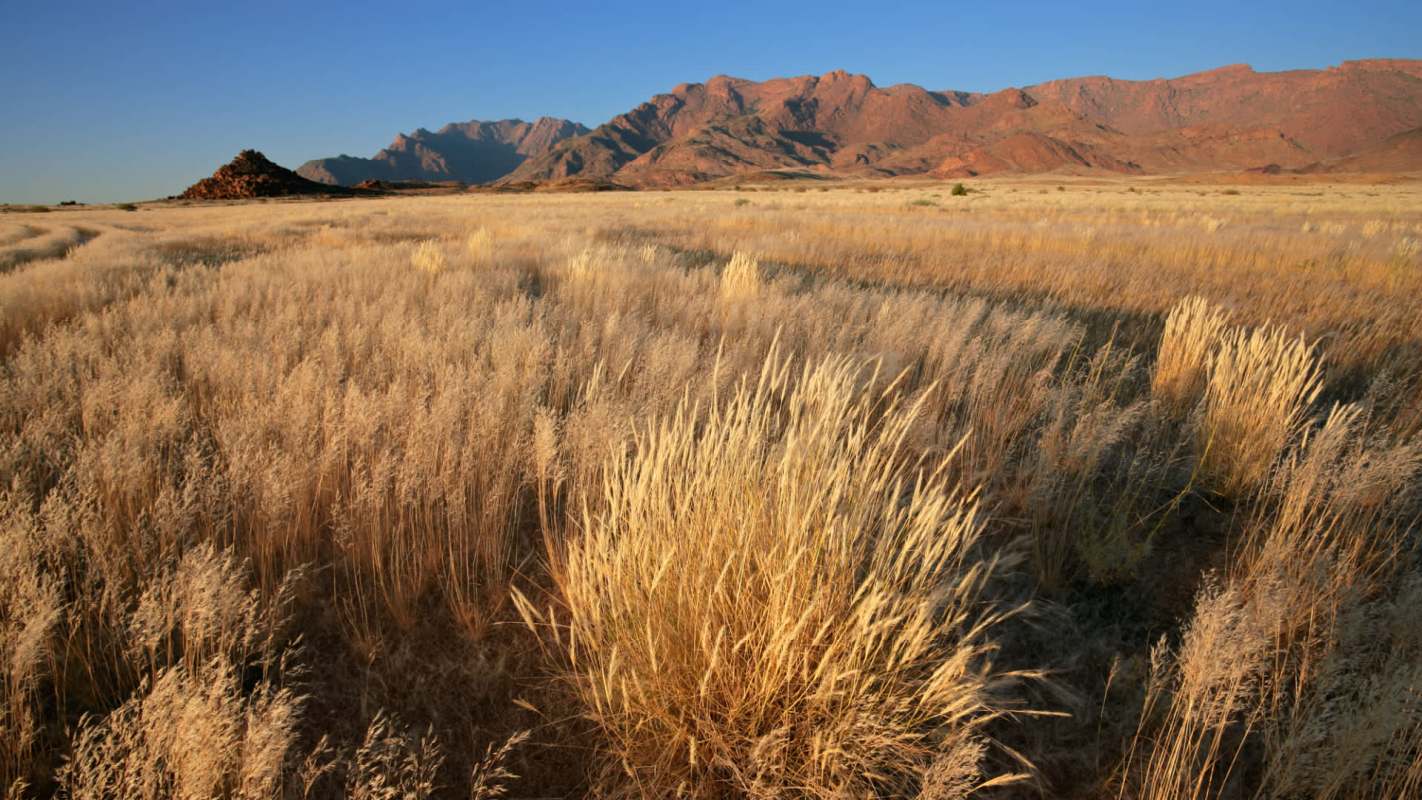
Protecting ecosystems, such as grasslands, can also have an impact on the surrounding human population. One study in Kenya even found that restoring local grasslands can lower rates of conflict, both between wildlife and among human populations.
Intervention can also slow the decline of vulnerable populations by 21%, according to another study.
|
Do you think America does a good job of protecting its natural beauty? Click your choice to see results and speak your mind. |
 Definitely 👍
 With the discovery of the Boston rain frog, researchers were also able to get a clearer picture of the Bilbo's rain frog population in the area.
With the new information about their range and population size, the Bilbo's rain frog's status was escalated from "vulnerable" to "critically endangered."
While yet another surprising outcome for the team in their research, the updated status arms conservationists in the area to better protect the at-risk species.

Join our free newsletter for good news and useful tips, and don't miss this cool list of easy ways to help yourself while helping the planet.
Cool Picks






