


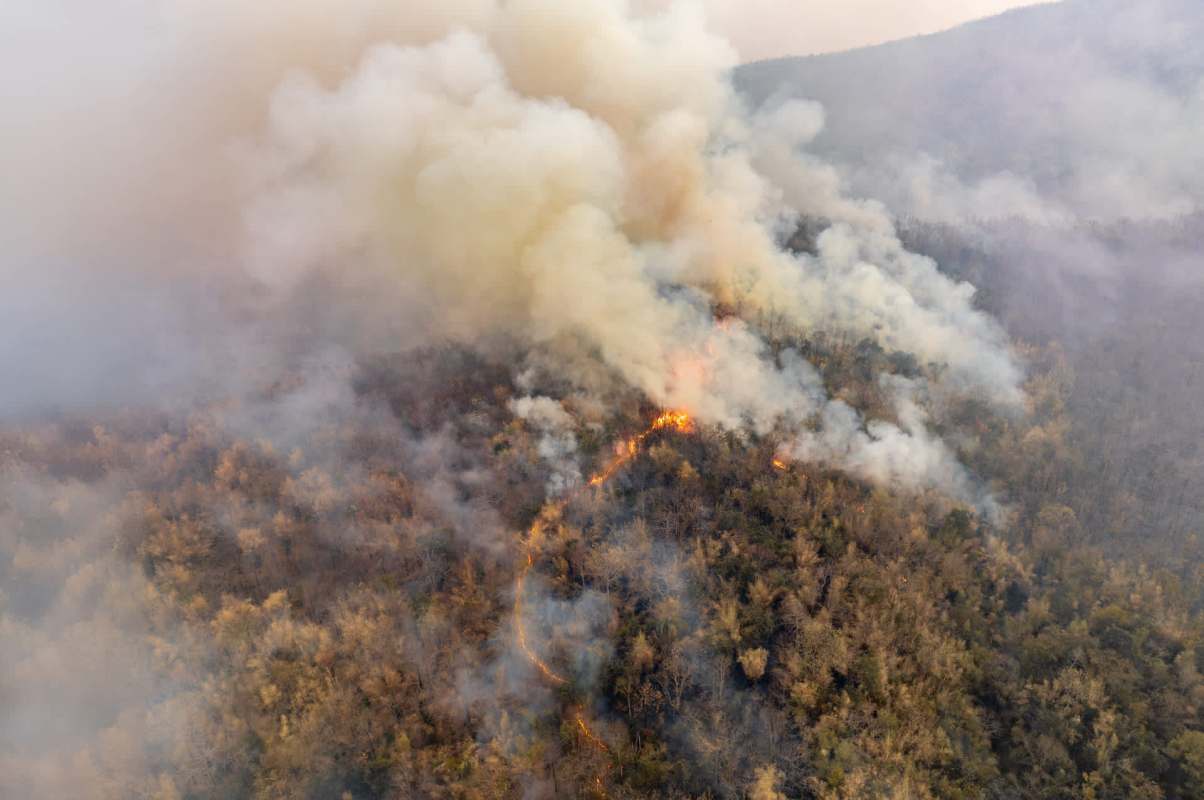
Experts are concerned that last summer's Borel wildfires in Kern County, California, left lasting damage even a year later, destroying natural habitats and posing challenges for wildlife to recuperate.
What's happening?
KERO reported that while most animals were quick to abandon the region during the period of active wildfire, the widespread long-term destruction ravaged food crops and other resources, making the area virtually unlivable even now.
"You'll have animals that are used to having food in one area that's not longer available to them, so they have to adapt," explained California Living Museum's Meg Maitland.
As a matter of fact, some parts of Kern County have experienced burns so severe that it will likely take several years for the land to heal, per 23ABC Bakersfield.
Why is wildfire damage concerning?
Not only do wildfires such as the Borel Fire bring about enduring habitat destruction, but they also end up displacing much of the wildlife in those areas — often driving them into closer and often unsafe vicinity with human civilizations.
"On occasions, you'll see animals that have been pushed out of their habitat that come a little bit more close to humans and our ecosystem as well," Maitland said, per 23ABC Bakersfield.
Unfortunately, this sort of proximity can prove perilous for both humans and wildlife alike, forcing them into frequent encounters that can endanger the resources as well as the lives of both parties. Urbanization and other human activities have already overtaken natural habitats and compromised their stability — and wildfires and other weather events, supercharged by our warming planet, only further compromise the stability of various ecosystems.
What's being done about wildfires?
As safe natural habitats become increasingly difficult to come by, establishing wildlife sanctuaries and rehabilitation centers is essential to protect displaced species until their fire-damaged homes return to their health.
In the long term, though, while we can't prevent extreme weather events altogether, we can certainly work to reduce their intensity. You can take simple steps — such as taking public transportation or upgrading to energy-efficient home appliances — to lower your carbon footprint and help lower your contributions to our overheating climate.
|
Do you think America does a good job of protecting its natural beauty? Click your choice to see results and speak your mind. |
 Definitely 👍
Join our free newsletter for good news and useful tips, and don't miss this cool list of easy ways to help yourself while helping the planet.
TCD Picks » Quince Spotlight
💡These best-sellers from Quince deliver affordable, sustainable luxury for all




Cool Picks






