


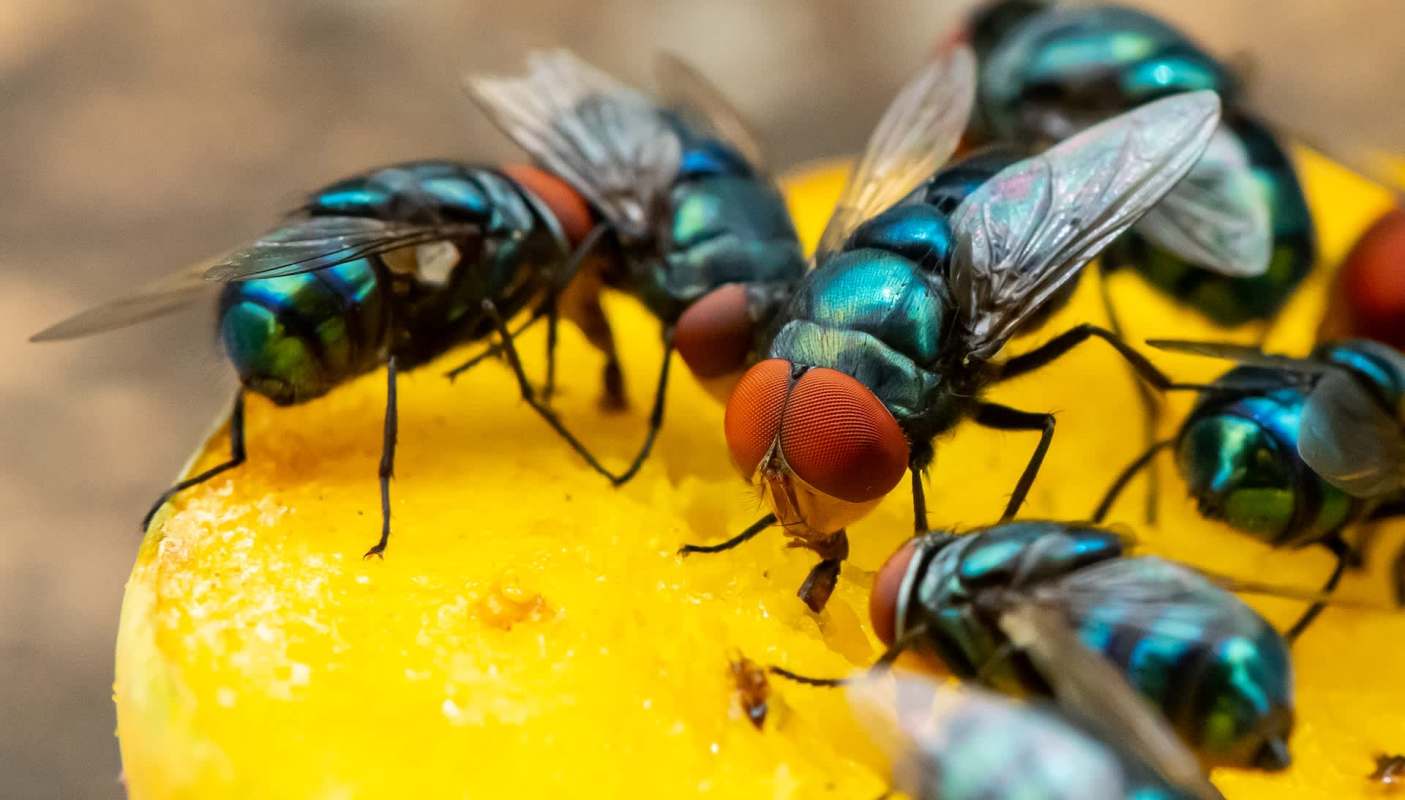
A researcher at Southern Cross University found a tiny but effective ally in the fight against food waste and pollution from plastics: the black soldier fly, The Australian reported.
Every year, Australia throws away 7.6 million metric tons of food, and 84% of the country's plastic waste goes straight to landfills. Lachlan Yee, a senior lecturer and program leader at the university, is studying how farming black soldier flies could help with both of those problems.
Their larvae eat through waste from food and other organic sources at impressive speeds, keeping huge quantities out of landfills. One female fly can lay 200-400 eggs, and larvae consume up to double their own size in waste per day. Native to South and Central America, these flies can be found on nearly every continent today, and Yee said they pose no threat to Australian ecosystems.
The larvae don't stop at food scraps. They can break down animal and human waste, creating new options for managing agricultural byproducts. Yee pointed out that the flies have been put to work inside compostable toilet systems for years.
Adults live only three to seven days and lack functioning mouth parts, so all their eating happens before they reach adulthood, when they act as scavengers that feed on decaying organic matter. Researchers are even studying whether liquid from the flies' droppings could slow weed growth on Australian farms.
One of the most promising directions for this research involves what the flies leave behind. Chitin found in their pupal exoskeletons can be turned into chitosan, a fully biodegradable material.
If scaled up, chitosan could replace throwaway plastics that pile up in landfills and pollute waterways. It might even work as a substitute for the waxy coatings applied to fresh produce.
The university is studying business models for fly farming that could work for startups and major commercial facilities alike.
"I want to use insects to generate the next generation of plastics, because the chitosan we make from the black soldier flies is completely biodegradable," Yee said.
Chitosan isn't as strong as conventional plastics just yet, but Yee sees a clear path forward.
TCD Picks » Quince Spotlight
💡These best-sellers from Quince deliver affordable, sustainable luxury for all




"Clever chemistry can start to bridge that gap," he added.
|
Which of these savings plans for rooftop solar panels would be most appealing for you?
Click your choice to see results and earn rewards to spend on home upgrades. |
 Save $1,000 this year 💸
Get TCD's free newsletters for easy tips to save more, waste less, and make smarter choices — and earn up to $5,000 toward clean upgrades in TCD's exclusive Rewards Club.
Cool Picks






