


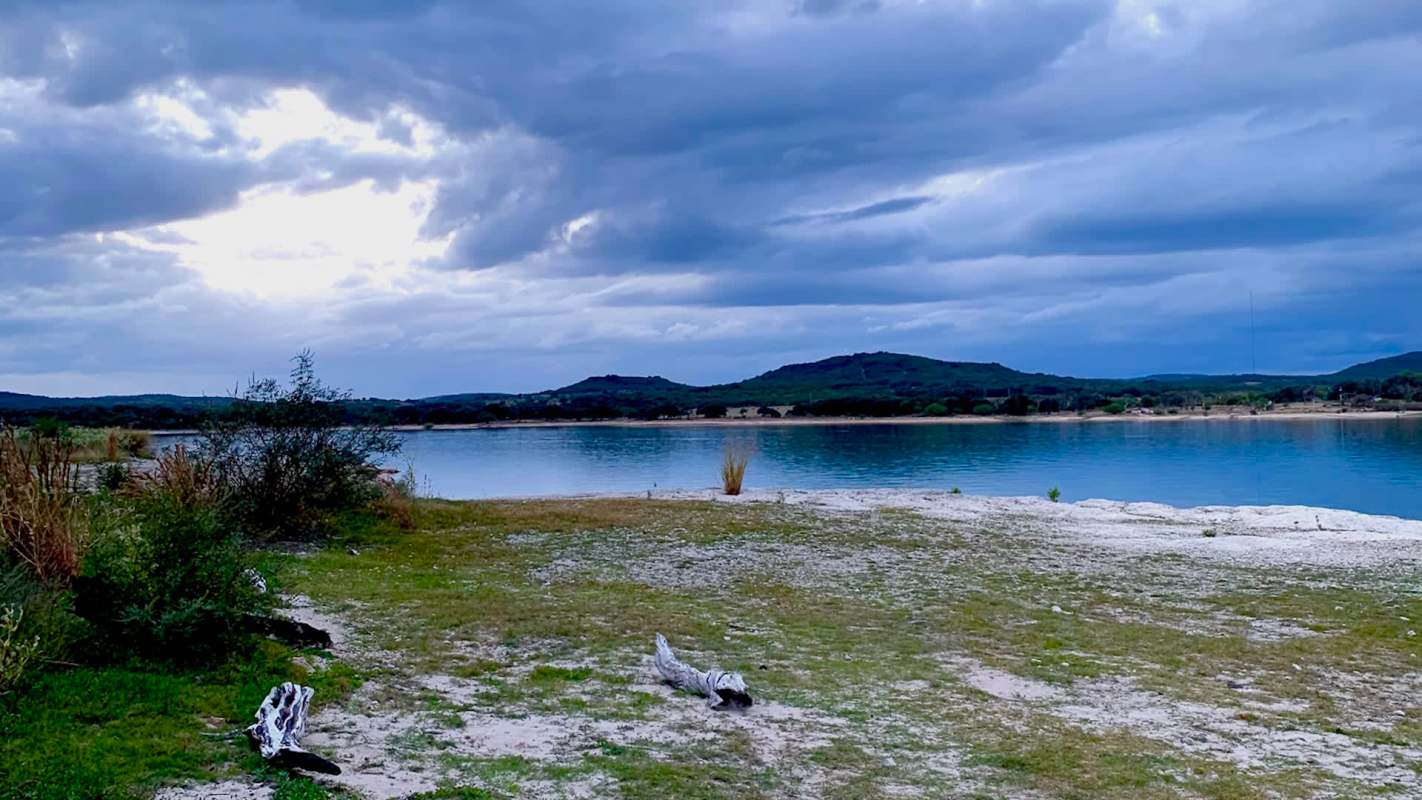
Business owners and farmers in Texas Hill Country could be heavily impacted after water levels at a popular lake near San Antonio reached historic lows.
What's happening?
Officials said Medina Lake reached "dead pool" status in April 2025, according to MySA. Lake levels were at 2.5% capacity, and downstream flow had completely stopped.
It was reported that lake levels rose after deadly floods swept through the region over the summer. By February, Medina Lake was at 4.4% capacity.
Data from the Texas Water Development Board showed that Medina Lake's surface elevation level was about 86 feet lower than its full capacity in February. According to MySA, drought conditions have impacted the disappearing lake.
"It's just been so dry for so long," Dave Mauk, general manager of the Bandera County River Authority & Groundwater District, told MySA.
Why are drought conditions concerning?
The increasing frequency and intensity of droughts and other extreme weather events over the years have been influenced by the shifting climate. Human activities, such as burning coal, gas, and oil, produce air pollution that contributes to rising global temperatures, which exacerbates these often deadly conditions.
TCD Picks » Quince Spotlight
💡These best-sellers from Quince deliver affordable, sustainable luxury for all




Mauk told MySA the low water levels in Medina Lake will affect businesses, farmers, and homeowners in the region. According to the National Integrated Drought Information System, drought can affect the availability of recreational activities and tourism, potentially resulting in negative economic impacts.
Droughts can also increase the risk of wildfires and result in agricultural losses. As the Center for Climate and Energy Solutions observed, drought combined with extreme heat and dry vegetation has led to longer fire seasons.
What's being done about drought conditions?
Learning more about critical climate issues can help push the conversation about drought mitigation forward. There are several resources available, including the U.S. Drought Monitor, a tool that shows drought location as well as severity level.
Conserving water is an easy way to help reduce the impacts of drought, per the California Department of Water Resources. Turning off the faucet while brushing your teeth and taking shorter showers are actionable ways to save water.
|
Which of these savings plans for rooftop solar panels would be most appealing for you?
Click your choice to see results and speak your mind. |
 Save $1,000 this year 💸
 Rewilding your yard with native plants is another way to reduce the amount of water you use. Native plants don't require much water, and they are better for pollinators, too.
Meanwhile, Mauk is hoping precipitation will alleviate some of the worries.
"It's going to take substantial rainfall, probably over — we'll probably need a couple wet years to start to break out of this, because at the same time, we have increased demand on the aquifer," he explained to MySA.

Get TCD's free newsletters for easy tips to save more, waste less, and make smarter choices — and earn up to $5,000 toward clean upgrades in TCD's exclusive Rewards Club.







