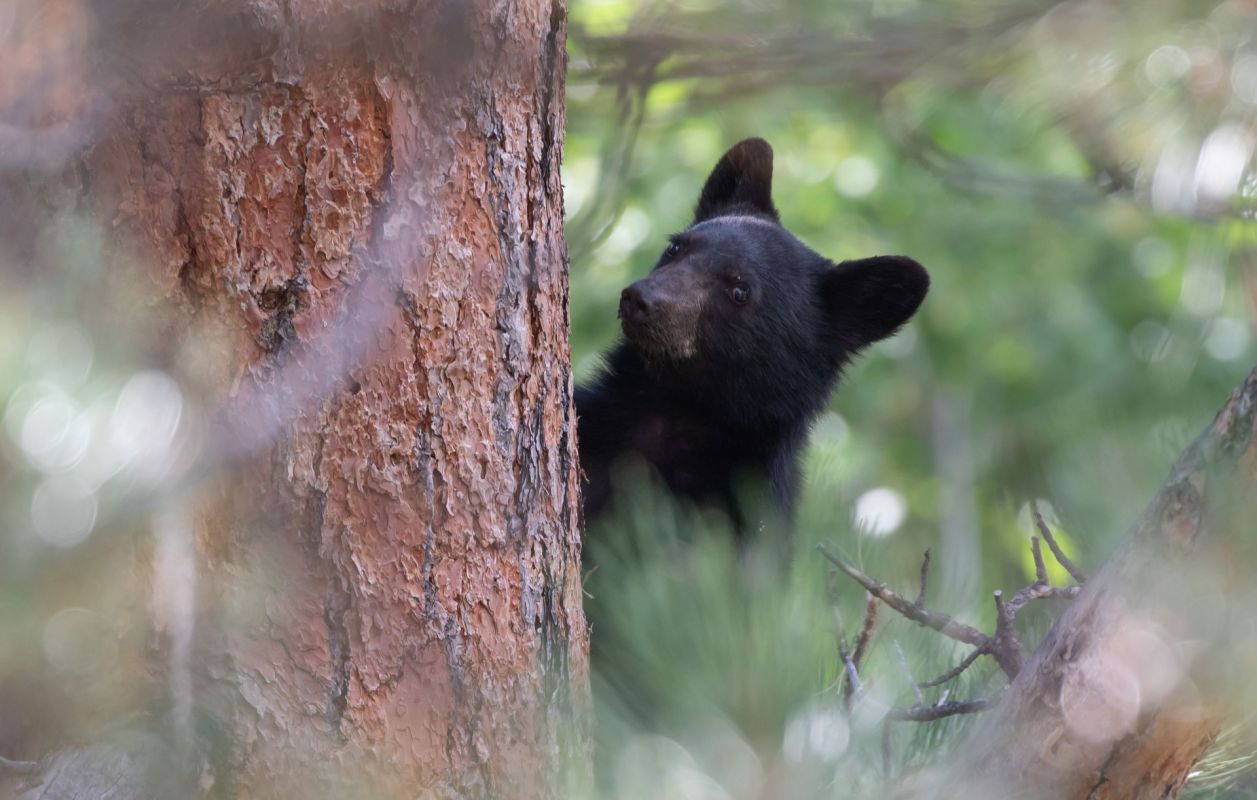
Two orphaned black bear cubs in New Mexico got a second chance after their mothers were euthanized following dangerous human encounters.
As KRQE reported, they were moved to the state's lone bear rehabilitation center, where staff were to help them develop behaviors they would have picked up in the wild.
Here's what to know
The cubs were taken to the Land of Enchantment Wildlife Foundation's Cottonwood Rehab in Northern New Mexico.
Near Galisteo, one mother bear had killed livestock before returning to break into a home, KRQE reported. Wildlife officers decided she was a public safety risk.
In Cedar Crest, the other mother bear bit a man who was walking a dog.
Bear sightings are on the rise in residential areas across New Mexico, creating the potential for run-ins involving people or pets that may result in the bears' removal or euthanization.
TCD Picks » Quince Spotlight
💡These best-sellers from Quince deliver affordable, sustainable luxury for all




More background
Rehabilitation involves feeding cubs until they get bigger, but young bears also must learn behaviors that would typically come from their mothers, including how to find food and otherwise survive on their own.
Bears that learn to forage naturally may be better prepared to stay away from homes, yards, and other human spaces where conflicts can escalate.
Wildlife management often comes with difficult trade-offs. When bears repeatedly return to homes, livestock, or other human spaces, the consequences can be severe.
What's being done?
"Once they're at a healthy weight, we start doing some of the foraging activities like hiding food under rocks or in some logs and that sort of thing so they start learning behaviors that they would expect in the wild," Land of Enchantment Wildlife Foundation Director Nirankar Horak told KRQE.
Preventing easy access to food can reduce bear encounters. When the mammals find meals in residential areas, whether through livestock, pet food, or other attractants, the chances of dangerous interactions can rise.
Residents can protect themselves as well as bears by securing trash and removing sources of food and water, the Santa Fe New Mexican noted.

Get TCD's free newsletters for easy tips, smart advice, and a chance to earn $5,000 toward home upgrades. To see more stories like this one, change your Google preferences here.