


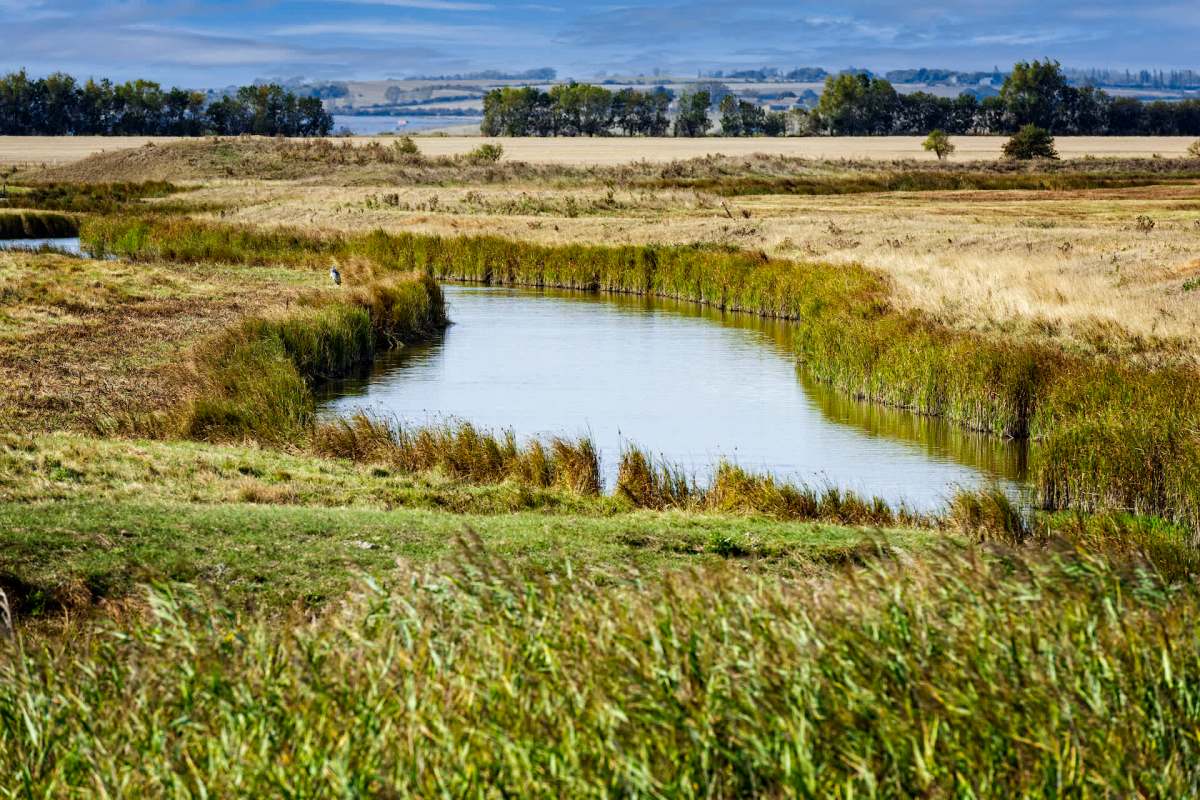
A historic event unfolded recently in a cherished wetlands nature reserve in the United Kingdom.
A rare bird species, once thought long gone from the region, has successfully bred for the first time on that site, signaling a powerful win for environmental restoration and renewed hope for biodiversity.
Yorkshire Wildlife Trust said a juvenile bittern was spotted at North Cave Wetlands in July. Bitterns, most known for their distinctive booming calls, became extinct in the U.K. and Ireland in the late 1880s but returned to England in the early 1900s.
Living Levels, a conservation group, notes that by the 1960s, bitterns were on the verge of extinction due to a combination of persecution, drainage of their habitat, and the widespread use of pesticides. The Natural History Museum of London reports that their populations began dwindling "to the tens" in 1997.
Conservation efforts, legal protections, and the banning of harmful chemicals helped to turn this around, restoring natural bittern habitats and increasing their population. The male bittern population reached 160 in 2016, and not only have numbers increased, but the bird has also migrated to other parts of the British Isles.
Why is this important? First, bittern breeding demonstrates the success of dedicated habitat conservation. Wetlands that are rich in reedbeds, shallow waters, and protective cover support these species. The birds' willingness to nest demonstrates safe breeding conditions, abundant food, and suitable nesting sites — all essential for population recovery.
"With bittern previously threatened with extinction, their recovery is a clear example of how dedicated conservation action combined with the right leadership and resources, can help us rise to the challenges we face in this nature and climate emergency," RSPB senior conservation scientist Simon Wotton said back in March.
Wetlands also play a vital role in protecting the environment. They are powerful carbon sinks, storing carbon in soils and vegetation, and contribute to flood prevention by buffering water flows. Therefore, restoration and preservation of wetlands advances both biodiversity and climate resilience.
Moments like this show that when we take care of nature, it can bounce back in amazing ways. As for the bittern, its return after centuries is proof that even the rarest wildlife can make a comeback when we give it the right conditions.
|
Do you think your city has good air quality? Click your choice to see results and speak your mind. |
 Definitely 🥰
Join our free newsletter for good news and useful tips, and don't miss this cool list of easy ways to help yourself while helping the planet.
TCD Picks » Quince Spotlight
💡These best-sellers from Quince deliver affordable, sustainable luxury for all




Cool Picks




