


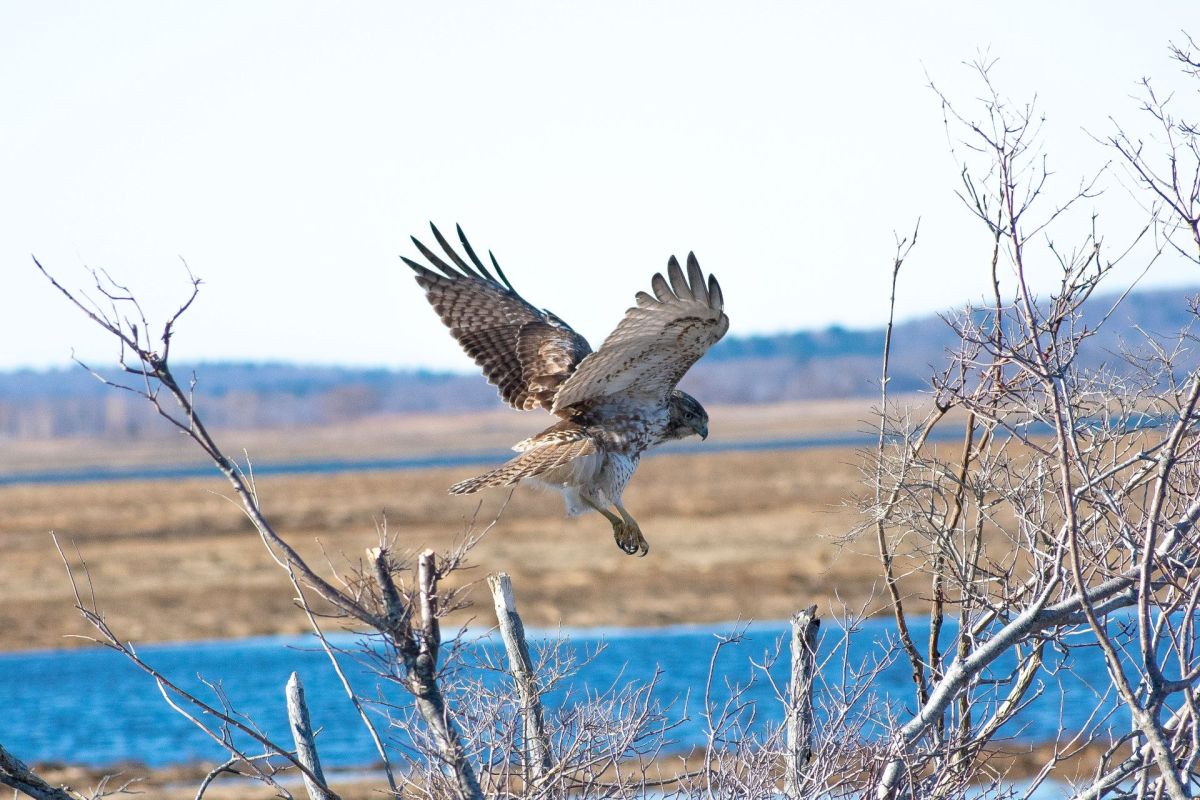
Birds signal the start of spring, but their shifted timing has scientists concerned. A study revealed migratory birds are reaching their nesting grounds earlier.
What's happening?
WBUR reported that the study, published in the Wilson Journal of Ornithology, analyzed this changed avian behavior.
Researchers compared historical observations from naturalist Henry David Thoreau with modern citizen science. First arrival dates for 18 bird species came from mid-19th century data. Submissions to the online platform eBird between 2013 and 2024 were also used.
The findings show that, on average, birds are now arriving about seven days earlier than they did in the past. The birds are having a stronger response to rising temperatures than previously recorded.
Bird timing is now "catching up" to the changes seen in local plants. Plants are leafing out and flowering 10 to 14 days earlier than in Thoreau's time.
Trevor Lloyd-Evans, co-author of the study, told WBUR, "Evolution works very slowly and the warming is not going to stop any time soon."
Why is bird migration important?
Shifts in bird flight patterns are a biological disruption to the balance of local ecosystems.
Any delayed natural process, like migration, can jeopardize food security and health, per WBUR. When birds arrive too early or too late, they may miss the peak abundance of insects needed to feed their young.
A decline in bird populations can lead to pests that damage gardens and local farms. Infestations can lead to people using pesticides that can harm water and air.
Species are struggling to keep pace with a fast-changing climate. It delays progress toward a stable, predictable future for communities and the environment.
TCD Picks » Quince Spotlight
💡These best-sellers from Quince deliver affordable, sustainable luxury for all




|
Should schools teach more about gardening and lawn care?
Click your choice to see results and speak your mind. |
 It should be a main subject 💯
 What can I do to help birds and their migration?
There are clear ways to support birds as they navigate these changes.
Creating bird-friendly habitats on lawns supplies food and shelter when birds arrive. Cleaner transportation can reduce air pollution affecting bird migrations and populations.
Supporting conservation efforts protects migratory corridors and natural habitats in the community.
Contributions to similar research can help locals understand these trends. Logging sightings on apps like eBird provides researchers with vital data.
Talking with naturalists and birders, WBUR noted that understanding past and present avian behavior data can lead to change. It would be equally slow, but likely positive, change for birds and people alike.

Get TCD's free newsletters for easy tips to save more, waste less, and make smarter choices — and earn up to $5,000 toward clean upgrades in TCD's exclusive Rewards Club.
Cool Picks






