


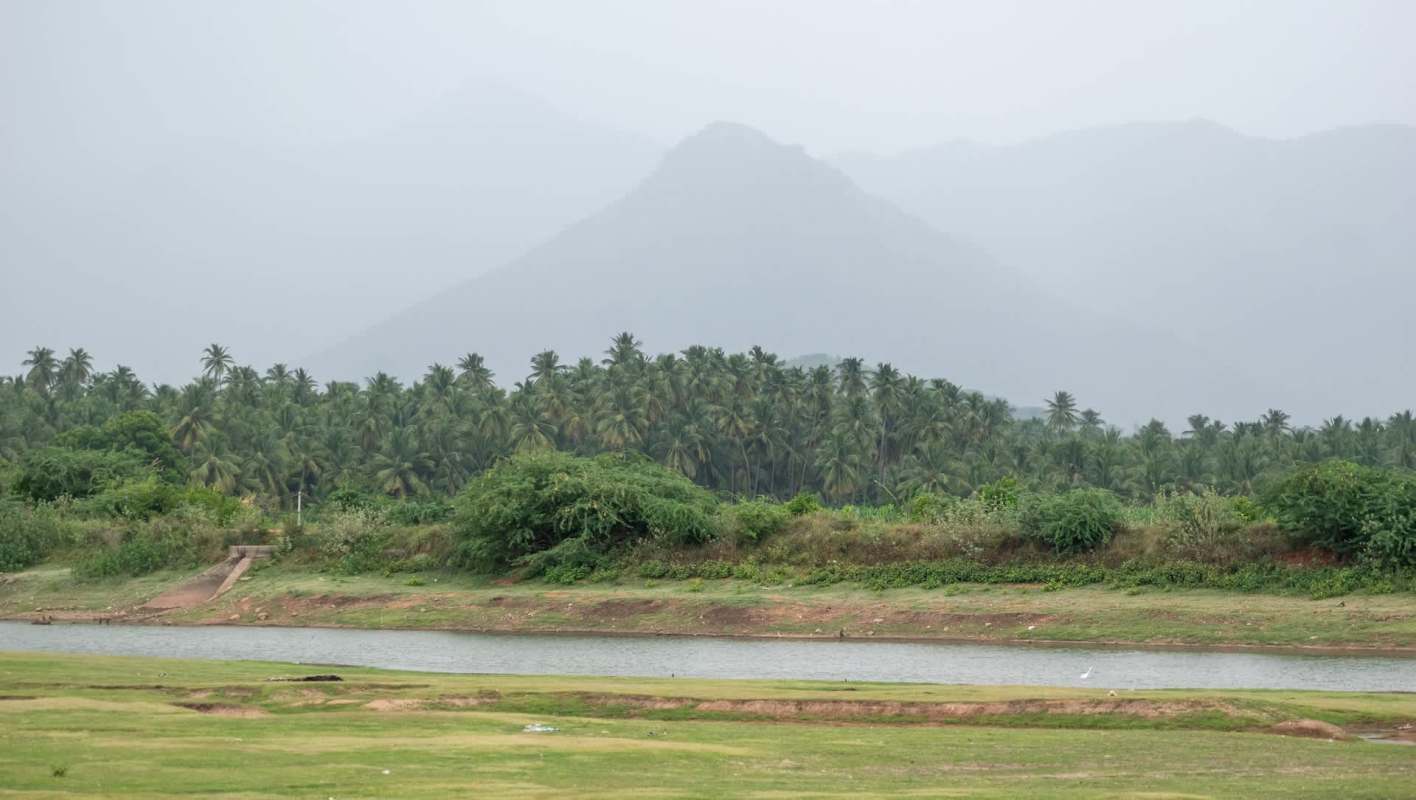
Officials in one Indian state are taking creative steps to tackle a growing concern with invasive plant species threatening the region's vulnerable ecosystem.
As DT Next reported, the Tamil Nadu Forest Department has announced plans to launch a biochar manufacturing facility inside the Sathyamangalam Tiger Reserve.
The effort will aim to convert invasive plant species into a carbon-rich material often used for agricultural purposes.
According to the Forest Department, the biochar project will employ local tribal communities to help harvest the increasingly problematic plants.
Officials hope to harvest around 7,000 to 10,000 tons of biomass before converting the material into valuable biochar.
"The pyrolysis plant enables controlled processing with emission management, converting a large volume of low-value biomass into a high-value, stable carbon product," the department noted, per DT Next.
"Most importantly, the quantifiable, long-term carbon storage in biochar can be monetized through carbon credit markets."
Invasive plants can wreak havoc on local ecosystems by outcompeting native plants for resources. This can destroy critical habitats, leading to biodiversity loss and disrupting food webs throughout the region.
"These invasive species have spread widely across dry deciduous forests, scrublands, and grasslands, reducing native floral diversity and the availability of fodder for wild herbivores," added the Forest Department.
"This loss directly impacts key species that rely on a mix of open and lightly wooded habitats, undermining the landscape's role as a vital wildlife corridor between the Western and Eastern Ghats."
TCD Picks » Quince Spotlight
💡These best-sellers from Quince deliver affordable, sustainable luxury for all




|
Would you be willing to let your yard grow wild? Click your choice to see results and speak your mind. |
 I already have 😎
 It's not the only creative use of invasive plant species. In Washington state, for example, residents are encouraged to stop the spread of invasive Himalayan blackberry bushes by harvesting and eating the berries.
On the flip side, native plants can be a critical component for the success of ecosystems. These plants often provide essential food and shelter for local wildlife, including much-needed pollinators.
Whether found in animal reserves or your backyard, native plants can even improve soil quality due to their adaptation to local environments and climates.
Over time, they can help prevent erosion by keeping the soil properly hydrated. For homeowners, this can save time and money by reducing the need to water a yard.

Get TCD's free newsletters for easy tips to save more, waste less, and make smarter choices — and earn up to $5,000 toward clean upgrades in TCD's exclusive Rewards Club.
Cool Picks






