


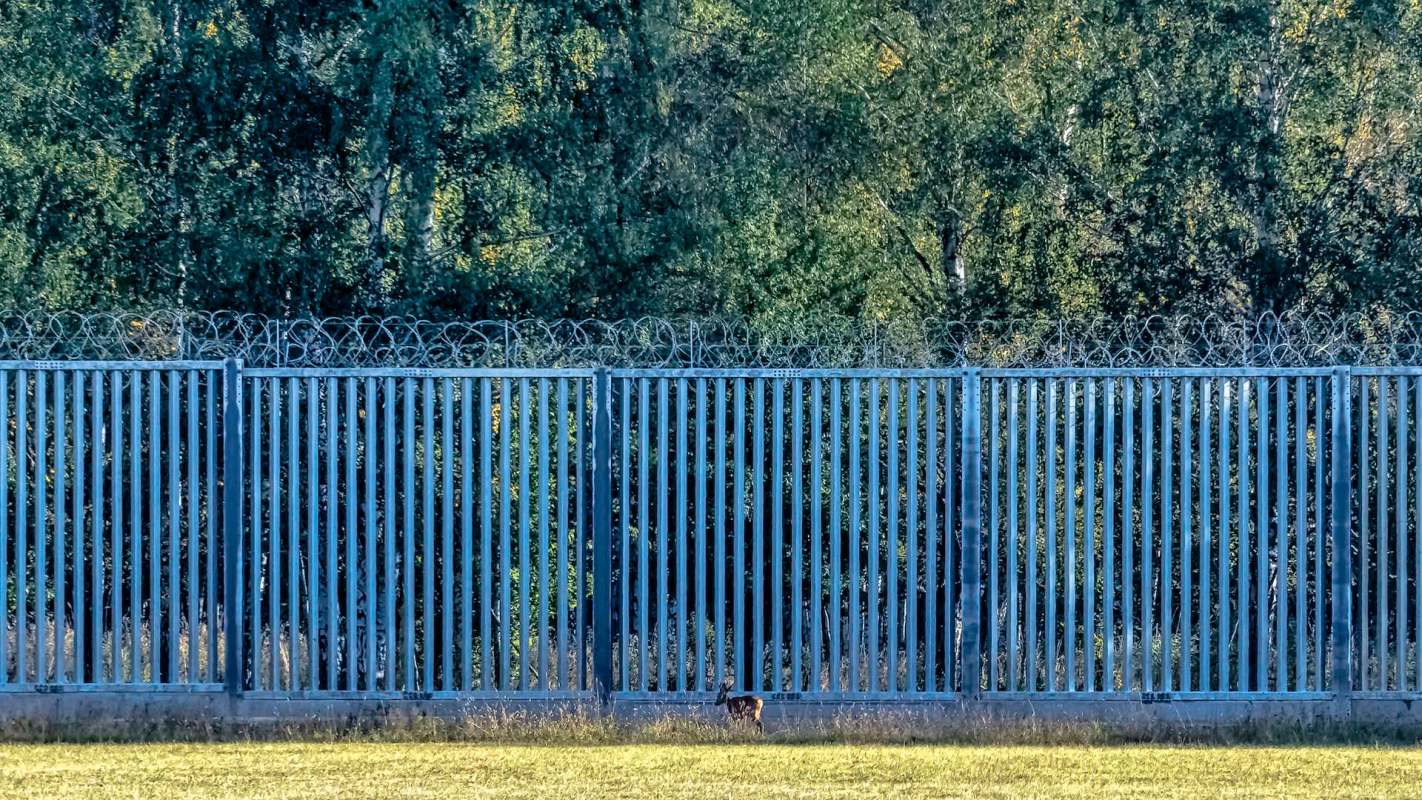
A border fence in Eastern Europe has created an environmental hazard, disrupting an ancient ecosystem.
What's happening?
The 3-year-old fence on the Poland-Belarus border cuts through the Białowieża Forest, a UNESCO World Heritage home to 10,000 fungi, bison, lynx, and pygmy owls, Deutsche Welle reported.
The fence measures 5.5 meters (18 feet) tall and 186 kilometers (116 miles) long, and it is topped with barbed wire. It features gates to allow animals to cross, but "they have never been opened."
It was built to deter migration through Poland and into the European Union. Three thousand Polish guards and soldiers patrol the area, which has fragmented habitats and introduced plants that could become invasive, according to DW.
The Polish government did not conduct an environmental impact study before construction.
Why is this important?
"It is a truly unique place," Mateusz Szymura, now head of nature conservation at Białowieża National Park, told DW. "It has a beauty that can't be bought."
Perk up the winter blues with natural, hemp-derived gummies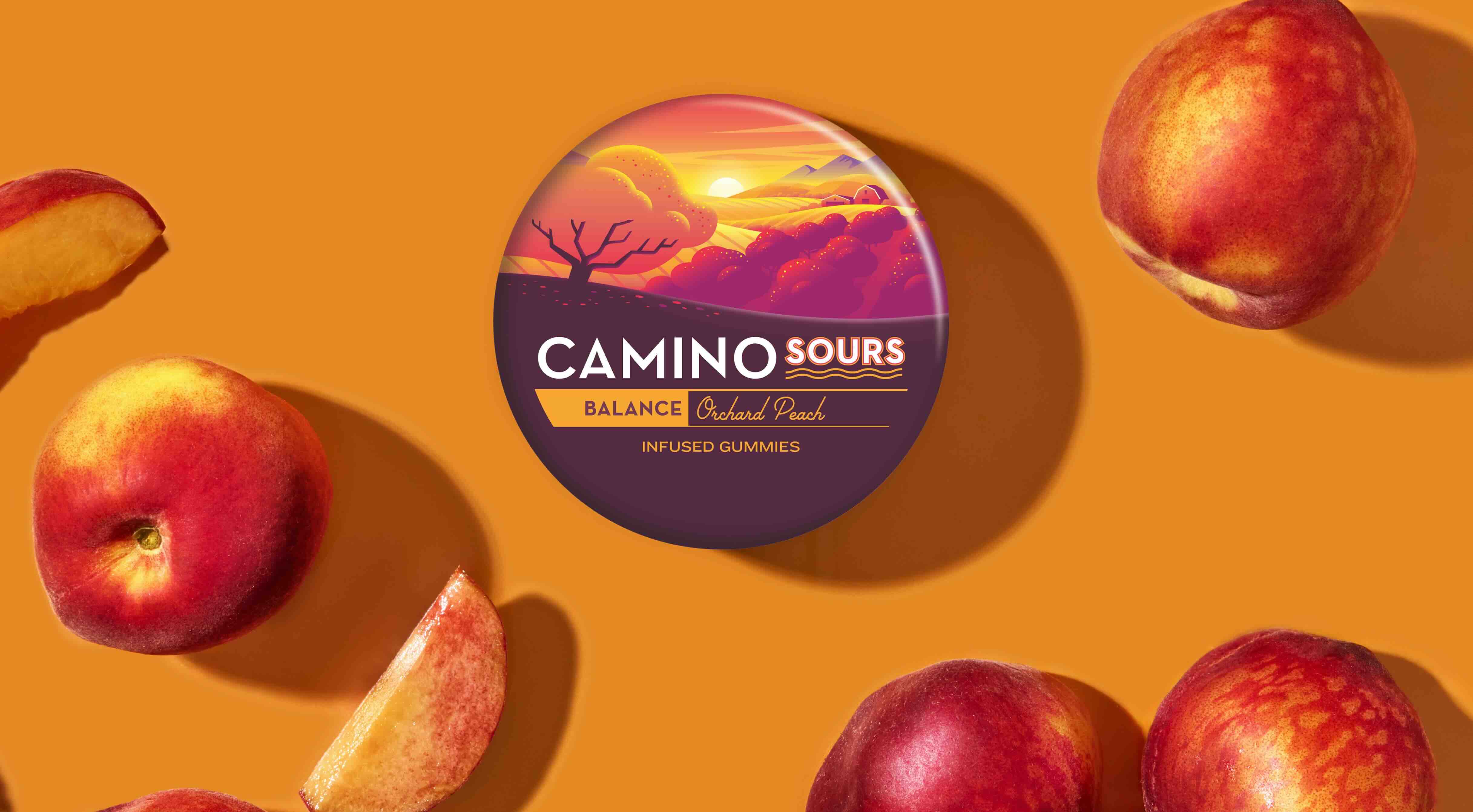 Camino's hemp-derived gummies naturally support balance and recovery without disrupting your routine, so you can enjoy reliable, consistent dosing without guesswork or habit-forming ingredients. Flavors like sparkling pear for social events and tropical-burst for recovery deliver a sophisticated, elevated taste experience — and orchard peach for balance offers everyday support for managing stress while staying clear-headed and elevated.
Learn more → |

The International Union for Conservation of Nature downgraded the forest's conservation status to critical, and an 18-month study showed the border fence has prevented large mammals, including moose and wolves, from moving freely and created noise pollution and temperature issues.
"Eurasian lynx on the Polish side that are unable to hunt, feed, or breed on the larger Belarusian side are at risk of local extinction," per DW. Animals have been killed on roads over 5 kilometers (3.1 miles) from the fence, the paper stated.
"[It] is a very significant trauma," Katarzyna Nowak of the Mammal Research Institute of the Polish Academy of Sciences told DW. "It was here before humans. Parts of the forest were untouched for centuries, until now."
What's being done about the border fence?
DW noted that the fence and a lack of data about its impacts continue to frustrate scientists and others. The experts interviewed argued that they need to do more research, but the park said that fatalities are rare and not many mammals are harmed by the fence. The Ministry of Climate and Environment did not share information with DW.
TCD Picks » Upway Spotlight
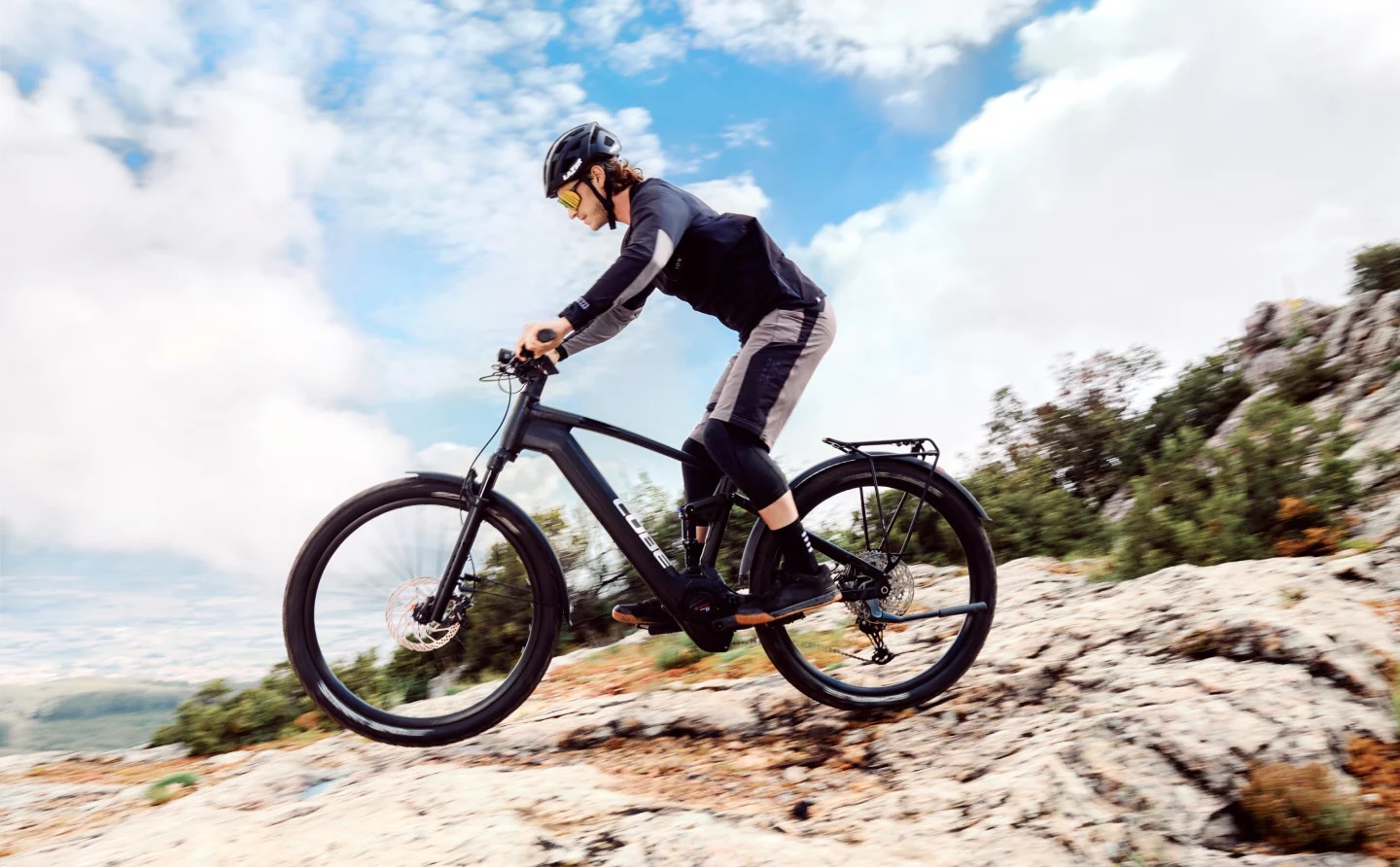
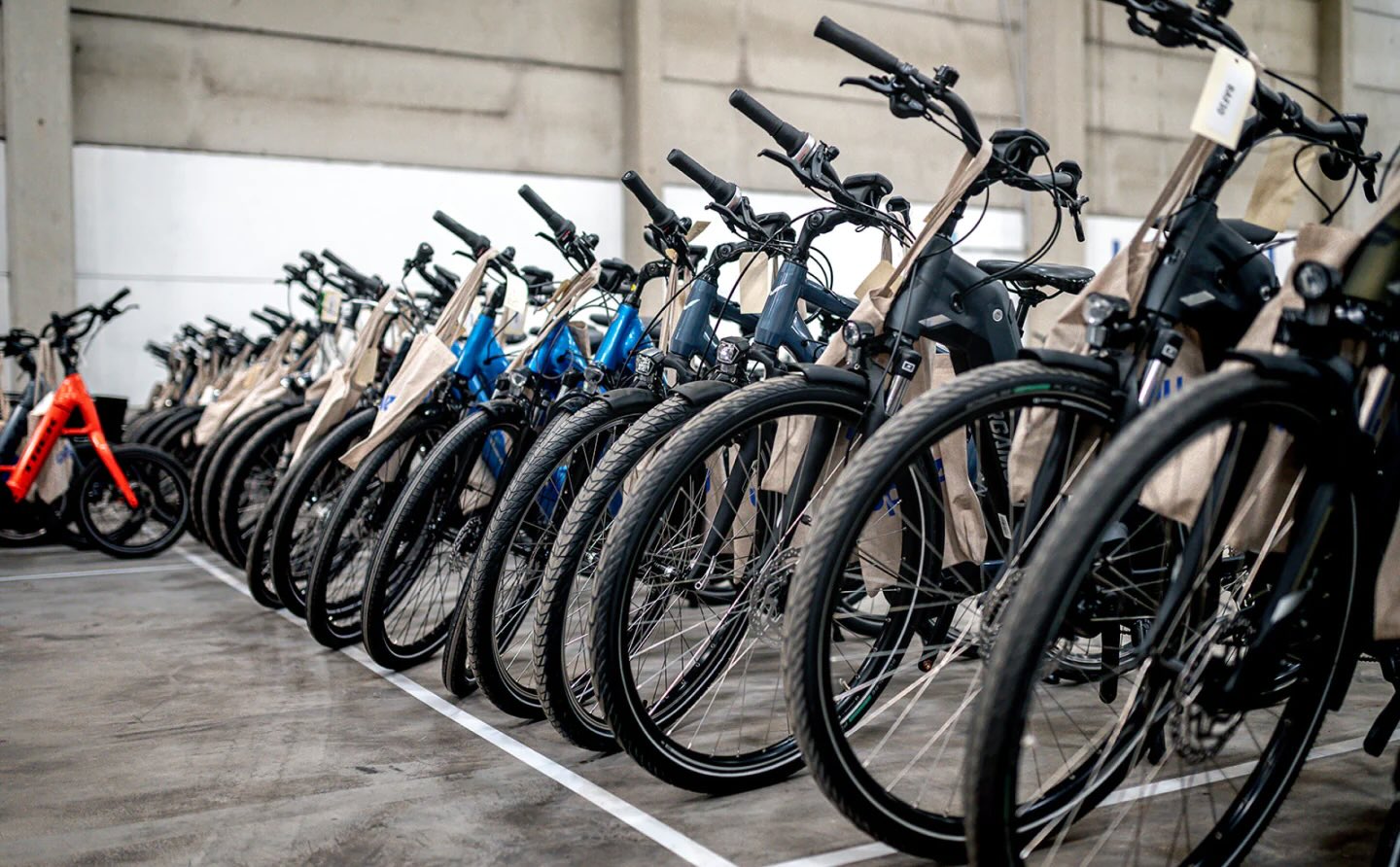
💡Upway makes it easy to find discounts of up to 60% on premium e-bike brands



|
Do you think humans are doing enough to protect endangered animals? Click your choice to see results and speak your mind. |
 Definitely 👍
 Białowieża is also protected by Natura 2000, a European Union initiative, showing the need for more stringent regulations around natural spaces. You can help by supporting research and conservation efforts and talking to friends and family about such critical issues.
"The wall could be removed eventually," Mammal Research Institute head Michał Żmihorski told DW. "It's possible. It's realistic. But it depends on geopolitics."

Get TCD's free newsletters for easy tips to save more, waste less, and make smarter choices — and earn up to $5,000 toward clean upgrades in TCD's exclusive Rewards Club.
Cool Picks






