


A Pennsylvania family of beekeepers is devastated after a horrific, mysterious act of arson led to the deaths of tens of thousands of their bees, according to CBS News.
What's happening?
The Pittsburgh-area Bedillion Honey Farm, owned and operated by Mark and Sara Bedillion, is a "family-run apiary" in the Southwestern Pennsylvania town of Industry.
On Feb. 26, Bedillion Honey Farm (@BedillionHoneyFarm) shared a shocking, harrowing update on Facebook.
"Today our hearts are heavy," it began. "Mark and [his daughter] Lily were out doing routine checks on the hives, as well as providing pollen substitute patties, when they came across our bee yard at Industry burnt to the ground."
Alongside the post, images of fully charred hives, caked in incinerated honey, illustrated the devastation.
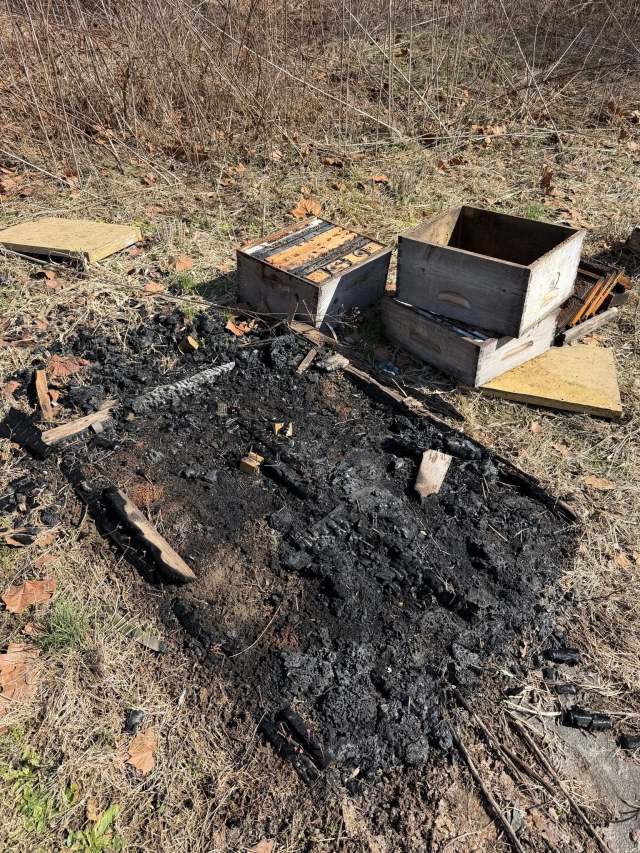
"Tens of thousands of honey bees turned to ash," the Bedillions wrote, lamenting both the "significant loss of animal life" as well as damage to their family business.
Sara Bedillion told WTAE that finding their beloved bees had been senselessly killed felt like "getting punched in the gut."
"It was heartbreaking. They killed our bees, killed them. We're estimating about 50 hives out of the bunch, so tens of thousands of bees," she added.
The couple's daughter, Lily, admitted that her "heart dropped" when she and her father discovered the aftermath.
Why is this concerning?
Commenters on Bedillion Honey Farm's post offered sincere condolences to the Bedillion family, but the farm's patrons knew exactly why the loss was even worse than it appeared.
TCD Picks » Quince Spotlight
💡These best-sellers from Quince deliver affordable, sustainable luxury for all




|
Which of these savings plans for rooftop solar panels would be most appealing for you?
Click your choice to see results and earn rewards to spend on home upgrades. |
 Save $1,000 this year 💸
 "Bees are so important in the food chain of many species, including humans. Honey is just a small part of the big picture. It's horrible that people destroyed what benefits so many things around us," one wrote.
"It's not just your small business this impacted but the livelihood of these creatures and our planet," another correctly observed.
As the United States Department of Agriculture has long emphasized, pollinators like bees are critical pillars of the food chain: "one third of all agricultural output depends on pollinators."
Pollinators are crucial for maintaining biodiversity, which, again, ultimately supports all life on Earth.
Moreover, pollinators are indicator species, wildlife whose welfare provides important early warning signals about the health of their ecosystems, highlighting environmental problems before humans notice them.
Pollinators like honeybees have long been under threat, with factors like rising temperatures and pesticide use facilitating colony collapse.
What's being done about it?
Concerned commenters advised the Bedillion family to position trail cameras around their surviving hives after the attack, and the business offered a $1,000 reward for information leading to an arrest.
Individuals can support pollinators by planting native plants, rewilding, or even switching to a natural lawn.

Get TCD's free newsletters for easy tips to save more, waste less, and make smarter choices — and earn up to $5,000 toward clean upgrades in TCD's exclusive Rewards Club.
Cool Picks






