


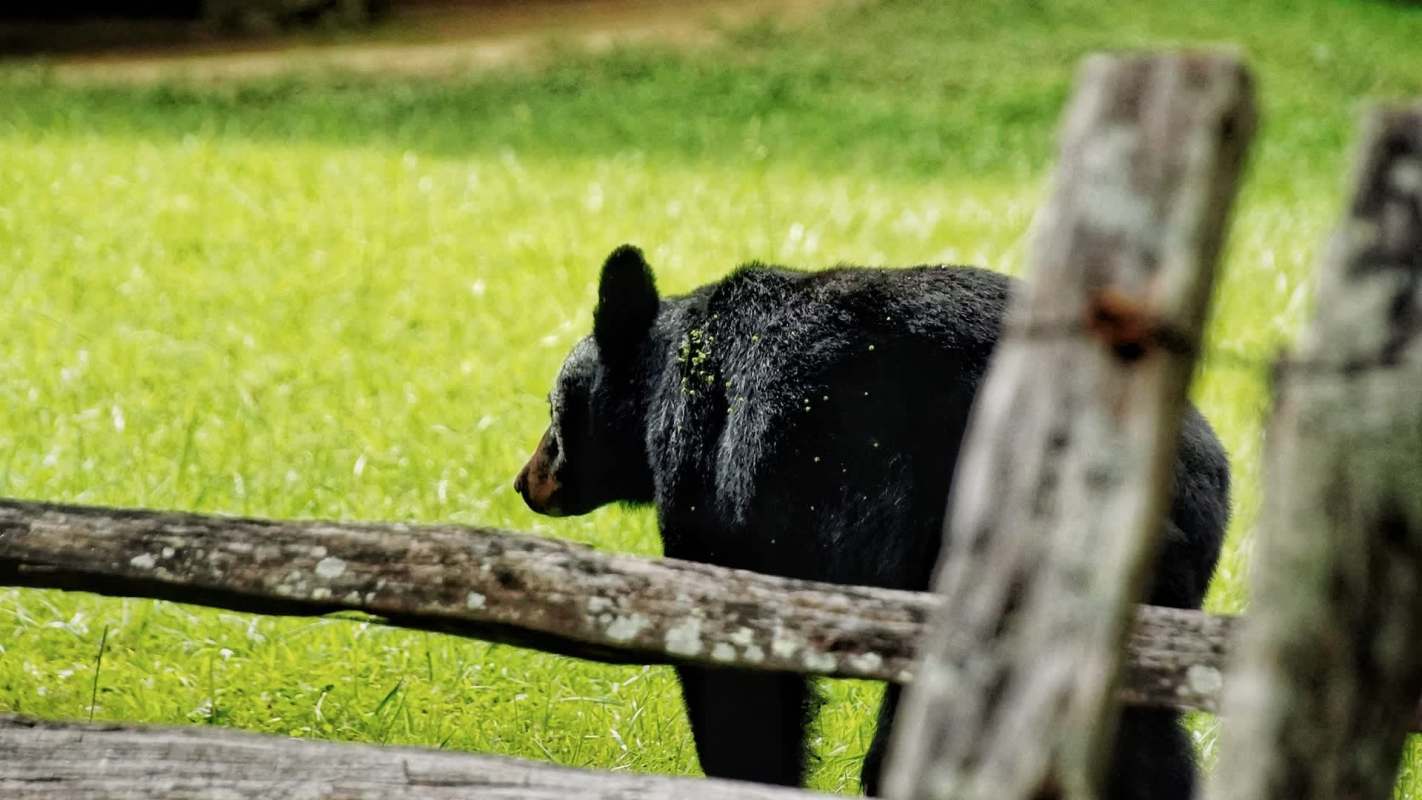
Residents on British Columbia's South Island are being urged to secure trash, compost, and pet food after recent bear and cougar sightings near neighborhoods.
According to Sook News Mirror, recent reports included cougars, including females with kittens in the Sooke area, along with several bear sightings and conflicts in Langford neighborhoods this week.
Some of the Langford reports involved bears getting into unsecured attractants left out by residents. Sightings were reported near Westhills and Citation Heights, though animals regularly travel between neighborhoods and forested corridors across the South Island.
Wildlife experts warned that unsecured garbage, compost, birdseed, fallen fruit, and outdoor pet food can all draw wildlife closer to homes.
One report involved a mother bear and cubs, raising concerns that young animals could begin associating people with food. Cougar mothers can stay in one area longer, while kittens begin shifting from nursing to meat at about two months old.
"Black bears really only get their mothers for one year, so we want to encourage them to learn good behaviors, natural behaviors from their mothers rather than accessing unnatural foods that can put them at risk," Cameron said, per Sook News Mirror.
TCD Picks » Quince Spotlight
💡These best-sellers from Quince deliver affordable, sustainable luxury for all




Many wildlife conflicts begin with human behavior, not animal aggression.
When food waste and other attractants are left accessible, bears and cougars can be drawn into residential areas they might otherwise pass through.
That can increase risks for people, pets, and the animals themselves. Off-leash dogs, free-roaming cats, and unsecured livestock may raise the chances of a dangerous encounter.
Everyday household habits can affect local ecosystems. A trash bin left out overnight or pet food left on a porch may seem minor, but repeated exposure can teach wild animals to rely on unnatural food sources.
"If we let behaviors escalate behind the scenes, and then people are only calling when a bear or cougar is behaving in a way that presents itself as a public safety risk, it limits the options for those animals," Cameron added.
Cougars are common across Vancouver Island. About 600 to 800 cougars live on the Island out of roughly 4,000 in British Columbia. Even so, Cameron stressed that attacks on humans are extremely rare.
Experts are now urging residents to remove the attractants that most often trigger conflicts.
That includes storing garbage and recycling in secure locations, placing bins out only on collection mornings, keeping pet food indoors, and cleaning barbecue grills after use.
Pet owners are also advised to keep dogs leashed and cats indoors or under supervision, particularly in areas with reported cougar activity. Livestock should be secured as well.
Experts say people should never approach wildlife, even if the animal appears calm or young. Feeding or interacting with wild animals can make future encounters more dangerous for everyone involved.
"Nobody should be trying to interact with wild animals at all," Cameron said, per Sook News Mirror. "Everybody should just let them be wild."

Get TCD's free newsletters for easy tips, smart advice, and a chance to earn $5,000 toward home upgrades. To see more stories like this one, change your Google preferences here.







