


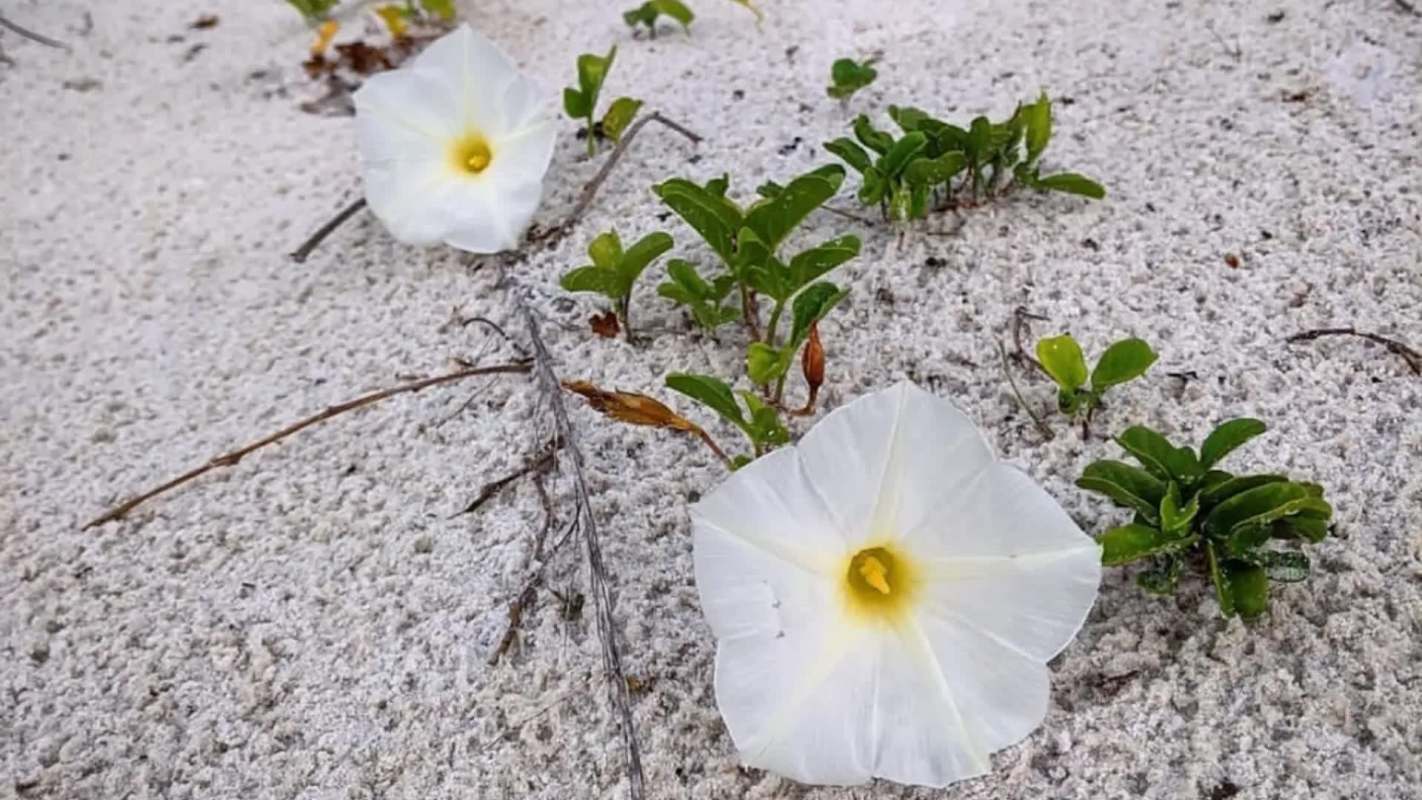
Beach morning glory is getting attention not just for its appearance but for the job it does on the coast.
A post by InDefenseofPlants (@indefenseofplants) pointed to the plant species that takes hold on newly formed dunes and helps keep loose shoreline sand from shifting.
What's happening?
The account shared original coastal photos of beach morning glory, the trailing vine scientifically known as Ipomoea imperati.
The plant is shown growing on sand dunes in an impressive and unexpected sight. In the Instagram caption, the creator said the plant commonly grows on very young dunes and helps stabilize the sand there.
"The beach morning glory (Ipomoea imperati) is as hardy as it is beautiful," the caption read.
The post also presented the plant as well suited to an exposed coastal setting, where wind, salt, and constantly moving sand make survival difficult.
TCD Picks » Quince Spotlight
💡These best-sellers from Quince deliver affordable, sustainable luxury for all




"It [bears] the brunt of what the ocean can throw at it with a surprising amount of grace," the caption continued.
Why does it matter?
Young dunes are among the hardest places for plants to survive. They face salt spray, intense sun, unstable ground, and the force of waves and wind.
Stronger dune systems can support healthier coastlines. Vegetation helps reduce how easily sand blows or washes away, and dunes serve as natural barriers between the ocean and inland areas.
Native plants often provide a form of natural infrastructure that people barely notice until it is gone. A species that may seem delicate at first glance can actually be essential to holding an ecosystem together.
As the Florida Wildlife Foundation noted, beach morning glory is an important stabilizer that is both drought- and salt-tolerant. Where many plants might struggle, it can thrive and help the sand dunes flourish.
What can I do?
Respecting dune habitats by staying on marked paths and out of protected dune areas helps prevent damage to plants that are already working to anchor sand in place.
Learning which native species play important ecological roles in your region can help, too. Local native plant societies, botanical gardens, and extension offices can guide people toward plants that belong in their area and explain why those species matter.
Choosing to add native plants to gardens and green spaces where possible can support landscapes that are better adapted to local conditions, often requiring less intervention while providing habitat and environmental benefits at the same time. That's certainly the case for beach morning glory.
"The fact that its seeds can float and can remain viable for long periods of time in salt water means this vine can be found in many coastal areas around the world," InDefenseofPlants' caption concluded.

Get TCD's free newsletters for easy tips, smart advice, and a chance to earn $5,000 toward home upgrades. To see more stories like this one, change your Google preferences here.







