


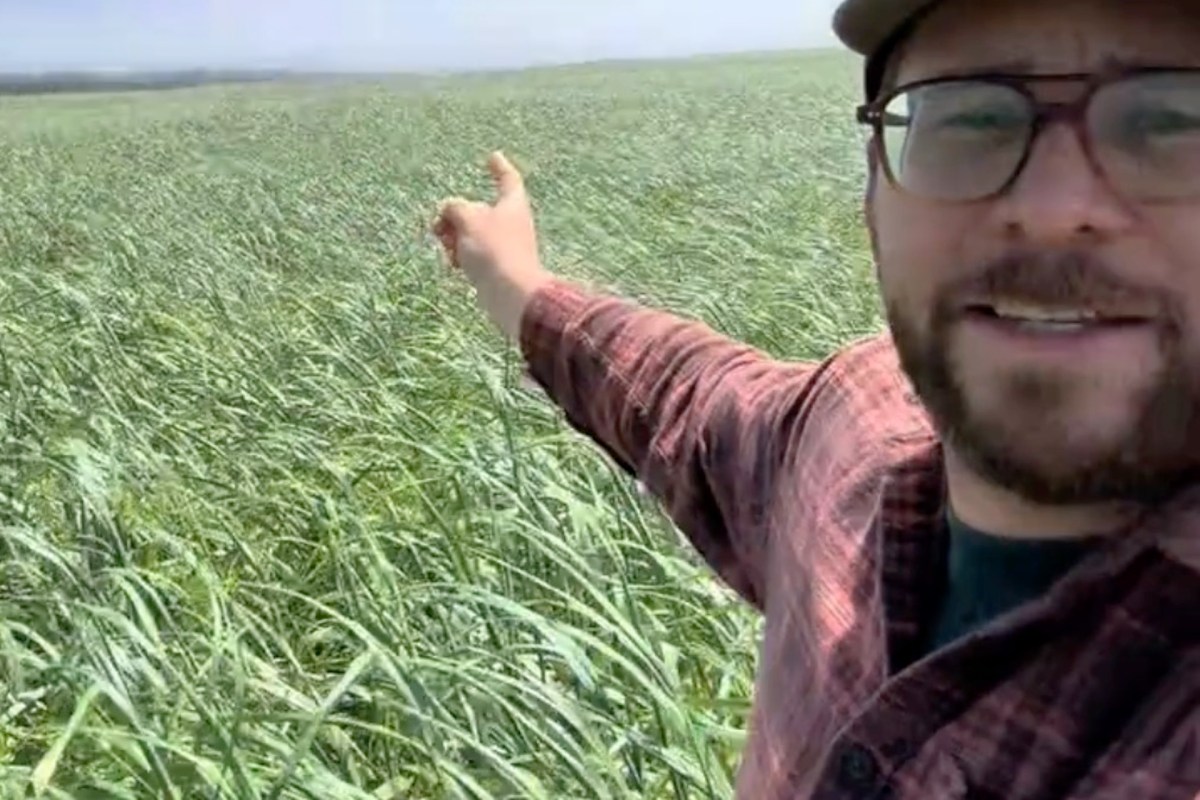
Along parts of the Oregon coast, the grassy dunes on the way to the beach are dominated by plants that do not belong there. A restoration creator says those grasses were introduced decades ago to control erosion, and that fix has since created new problems.
In a TikTok, Wes Hadley (@nativerestorationforce) used the northern Oregon coast as an example, saying large stretches of dune vegetation are invasive marram grass planted to keep sand from shifting.
What's happening?
From the dunes, Hadley said in the video, "Almost everything you can see … is an invasive species of grass," adding that European marram grass was introduced in the early 20th century to reduce erosion and keep migrating dunes from spilling into nearby properties.
@nativerestorationforce If you've ever been to the Oregon Coast, then you'll certainly be familiar with the long walk through the grassy dunes before you land upon the sand. Much of that grass is an invasive species of Marram Grass that was planted to control erosion back in the 30's, which has taken hold of the coast of the Northwest United States.
♬ original sound - Wes Hadley – NRF
The plantings did help hold the sand in place, but European marram grass did not remain limited to those areas. It spread far beyond the original sites, crowding out native dune species along the coasts of Oregon and Washington and into California.
The creator also said a second species, American marram grass, was planted in select areas for a similar purpose. In northern Oregon, it has proved even more aggressive, overtaking the earlier grass and doing "a worse job of controlling the dunes," which Hadley linked to lower dune heights and weaker erosion control.
Why does it matter?
Coastal dunes help protect homes, roads, and public spaces from wind, flooding, and storm damage, so when an invasive species reshapes that system, nearby communities can end up dealing with the consequences.
TCD Picks » Quince Spotlight
💡These best-sellers from Quince deliver affordable, sustainable luxury for all




According to Hadley, marram grass has contributed to "habitat loss" and left the coastline harder to control and maintain over time. As native plants are pushed aside, the wildlife that depends on them can also lose ground, weakening the natural balance that healthy dunes are supposed to provide.
A commenter captured that frustration by writing, "Incredible. Just a compounding of problems."
What's being done?
The creator said the lesson for restoration is to use plants suited to the local ecosystem. In that view, the spread of marram grass is a warning about relying on nonnative species for erosion control when native plants are better adapted to the landscape.
As Hadley put it, "This is yet another example of a plant that was brought over to a region with good intentions to control erosion. That has since gotten out of control."

Get TCD's free newsletters for easy tips, smart advice, and a chance to earn $5,000 toward home upgrades. To see more stories like this one, change your Google preferences here.






