


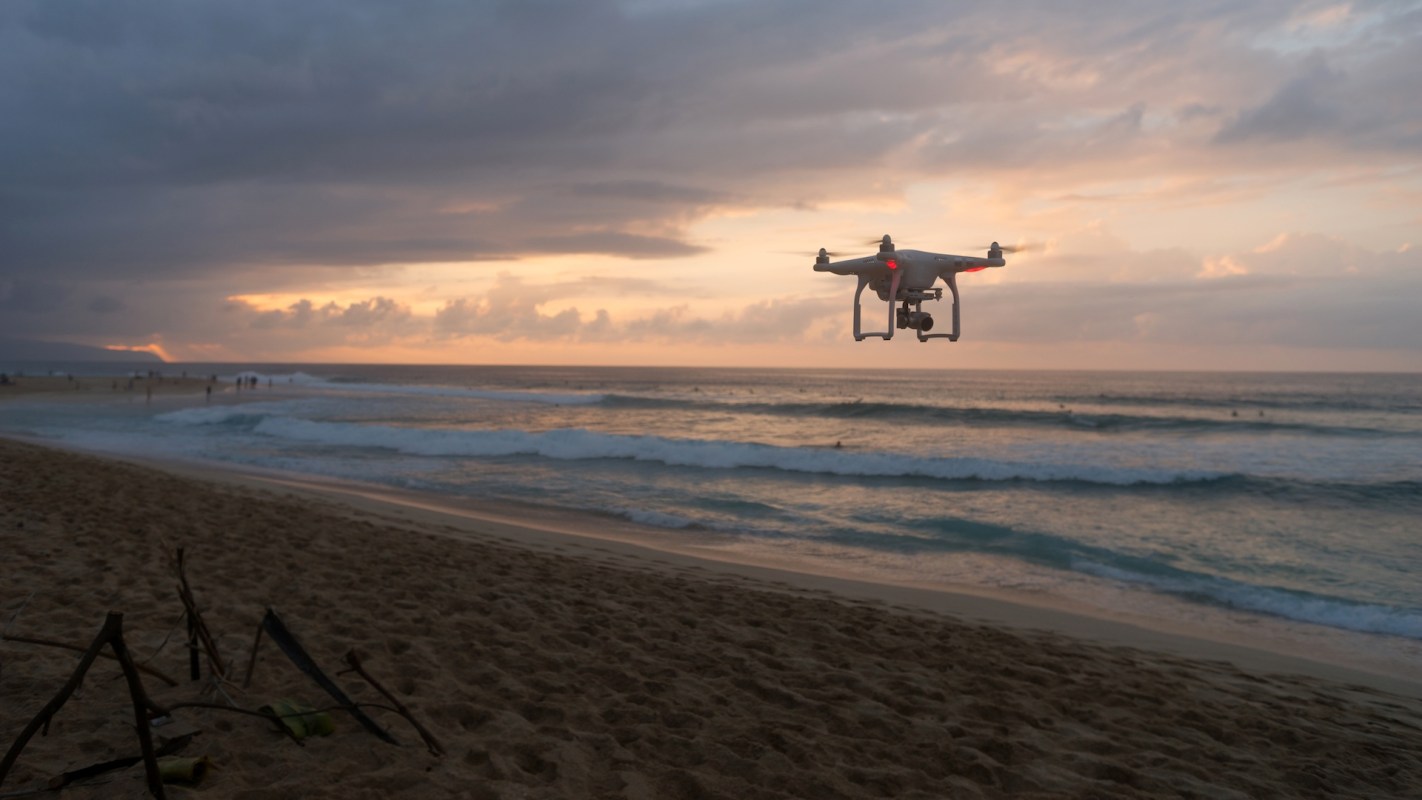
A new mobile app paired with drone technology is helping volunteers locate and collect plastic waste on beaches with precision, The Conversation reported.
Researchers at the University of Limerick in Ireland created a system that uses drones equipped with machine-learning software to scan coastlines and identify pieces of plastic from the air. The free app then sends GPS coordinates directly to users' phones, guiding them to the exact spots where litter has accumulated.
The technology addresses a persistent problem for coastal cleanup crews: not knowing where debris tends to gather. Tidal patterns and waterways flowing into the sea cause plastic to pile up in certain areas at rates far higher than nearby stretches of sand. Without data, volunteers often cover the same ground repeatedly while missing these trouble spots entirely.
Getting the detection system to work required a lot of testing. The initial software couldn't tell the difference between plastic and natural objects like driftwood, and shadows threw off the readings. The team spent months flying test missions along the Irish coast until the technology could pinpoint debris as tiny as 1 centimeter (0.4 inches) from high above.
The United Nations reported that up to 23 million tonnes of plastic enters waterways and oceans each year. Ireland's coast stretches over 3,000 kilometers (1,864 miles), and research from 2018 showed that roughly 73% of fish living in deep waters there had ingested plastic. Over 250 different species in the area, including birds and ocean mammals, have swallowed plastic waste.
If you want to help with beach cleanups in your area, the app makes it simple to find where your effort will have the most impact. You can upload drone footage yourself or use coordinates generated by others.
Community groups that have tested the system say the game-like features have drawn in new participants, including families with kids who enjoy the treasure-hunt-like feel.
"It has already been tested with five community groups around Ireland with positive results, averaging 30 plastics spotted per 10-minute drone flight, varying by location," said Gerard Dooly, assistant professor in engineering at the University of Limerick, per The Conversation.
|
Do you think we're doing enough to clean trash from the oceans? Click your choice to see results and speak your mind. |
 Yes 👍
Yes 👍 
Get TCD's free newsletters for easy tips to save more, waste less, and make smarter choices — and earn up to $5,000 toward clean upgrades in TCD's exclusive Rewards Club.
Cool Picks






