


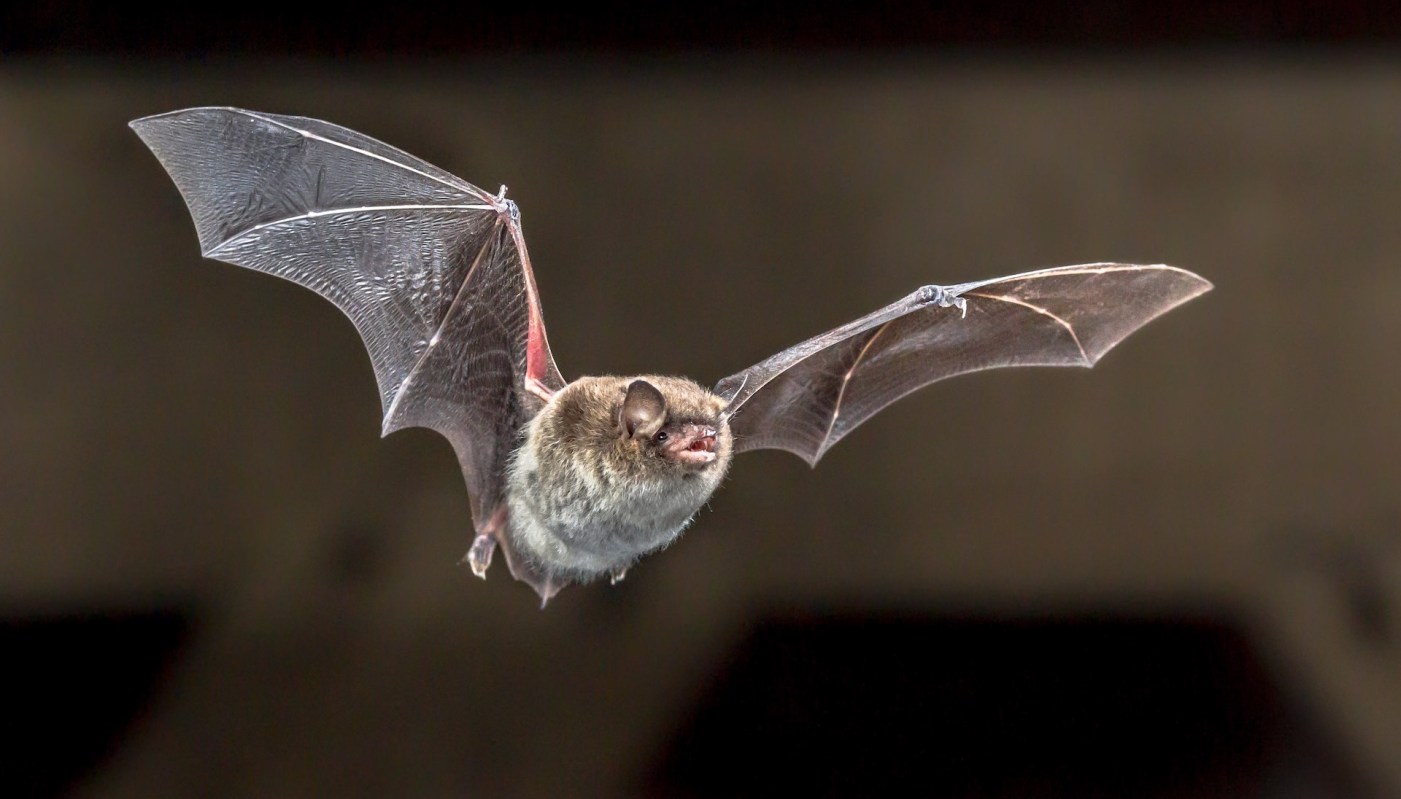
Bats worldwide are gaining extra weight to survive harsh seasons, but this survival strategy is now at risk due to climate shifts, reported The Conversation.
What's happening?
Scientists analyzing global bat research discovered that bats everywhere, not just in cold regions, fatten up before tough times arrive.
"Seasonal fattening is a global phenomenon in bats, not just limited to those in cold climates," explains the research.
Bats in colder areas predictably gain weight before winter hibernation. But surprisingly, tropical bats also bulk up before dry seasons when food becomes scarce.
Some bat species increase their body weight by over 50%: a burden for animals that need to stay agile in flight.
"This highlights the delicate balancing act bats perform between storing energy and staying nimble in the air," noted Nicholas Wu, lecturer in wildlife ecology at Murdoch University, who led the research.
The study also found that in colder climates, female bats conserve fat more carefully than males. Researchers believe this helps ensure females have sufficient energy to raise their young when spring returns.
This gender difference disappears in warmer regions, where both sexes use fat reserves similarly.
Why are bat fattening patterns important?
When bats can't properly prepare for seasonal challenges, the effects ripple through entire ecosystems.
Bats help control insect populations, pollinate plants, and disperse seeds. If their survival strategies fail, we'll see consequences throughout food webs that ultimately affect human communities.
TCD Picks » Quince Spotlight
💡These best-sellers from Quince deliver affordable, sustainable luxury for all




|
Do you worry about air pollution in your town? Click your choice to see results and speak your mind. |
 All the time 💯
 The research demonstrated a concerning trend: bats in warmer areas are accumulating more fat over time. This suggests they're adapting to increasingly unpredictable dry seasons caused by temperature changes.
Gaining extra weight forces bats to spend more time hunting, making them more visible to predators and possibly increasing their mortality rates.
For people living in agricultural regions, healthy bat populations mean natural pest control and crop pollination. Without these services, farmers may turn to more chemical pesticides, which can affect food safety and prices at your grocery store.
What's being done about bat conservation?
Scientists are using this research to identify bat populations most vulnerable to climate shifts, allowing for targeted conservation efforts.
Protected roosting sites give bats safe places to hibernate or rest during inactive seasons. If you own property with caves, old structures, or large trees, consider working with local wildlife authorities to create bat-friendly spaces.
Installing bat houses in your yard provides alternative homes for these beneficial animals while bringing natural pest control to your property.
Reducing artificial light at night helps bats navigate and find food more effectively. Simply turning off outdoor lights when they're not needed creates darker skies, which are beneficial for bats to thrive.
Supporting organizations working on climate resilience helps address the root cause of changing seasonal patterns that threaten bat survival strategies.

Join our free newsletter for good news and useful tips, and don't miss this cool list of easy ways to help yourself while helping the planet.
Cool Picks




