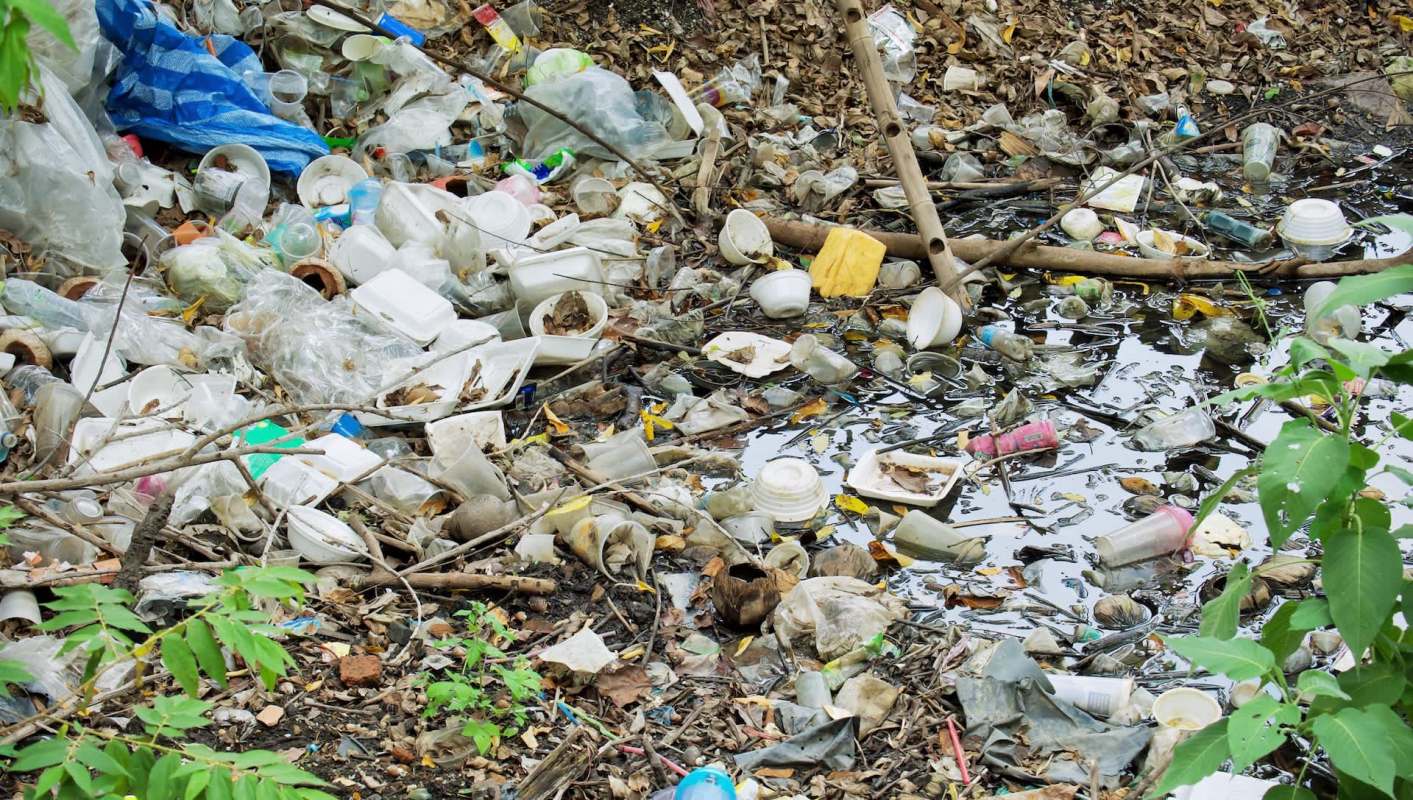
Littering is never acceptable — especially in protected spaces such as wildlife sanctuaries.
When it comes to the Balukhand-Konark Wildlife Sanctuary in Odisha, a state on the eastern coast of India, environmentalists are raising alarms about the growing danger plastic waste poses to local wildlife. Animals are mistaking plastic litter for food, and it is often fatal.
What's happening?
One of the region's most iconic species is dying from ingesting plastic waste. Despite strict bans on picnicking, plastic use, and littering within the sanctuary, the rules are frequently ignored.
According to Pragativadi, tourists continue to enter the protected forest to picnic, leaving behind plastic items such as polythene bags. Animals including blackbucks consume this waste when foraging for food, leading to severe illness and death.
A nearby forest that has become an illegal dumping ground for household and construction waste has worsened the problem.
"We conduct cleanup drives every Sunday, but the damage to the natural ecosystem and wildlife — especially blackbucks dying from ingesting waste — is immense," environmentalist Soumya Ranjan Sahu said.
TCD Picks » Upway Spotlight
💡Upway makes it easy to find discounts of up to 60% on premium e-bike brands





Why is this important?
Plastic waste doesn't just harm individual animals; it disrupts ecosystems. As a protected habitat, Balukhand-Konark supports numerous interconnected species.
This crisis is particularly troubling because it is human-caused and preventable.
Other similar instances include birds getting tangled and trapped in waste, showing how human changes and development can impact wildlife.
What's being done about this?
Environmentalists are calling for stronger enforcement of picnic restrictions, regular cleanup initiatives, and penalties for violators to protect the sanctuary and the animals that depend on it.
TCD Picks » Quince Spotlight
💡These best-sellers from Quince deliver affordable, sustainable luxury for all




|
Do you think America has a plastic waste problem? Click your choice to see results and speak your mind. |
 Definitely 👍
 In response, the forest division announced plans to prepare a detailed project report and hire an agency to clean up the sanctuary.
These efforts look to restore the area and prevent further damage, but activists stress that consistent enforcement and public responsibility are essential for lasting change.

Get TCD's free newsletters for easy tips to save more, waste less, and make smarter choices — and earn up to $5,000 toward clean upgrades in TCD's exclusive Rewards Club.
Cool Picks