


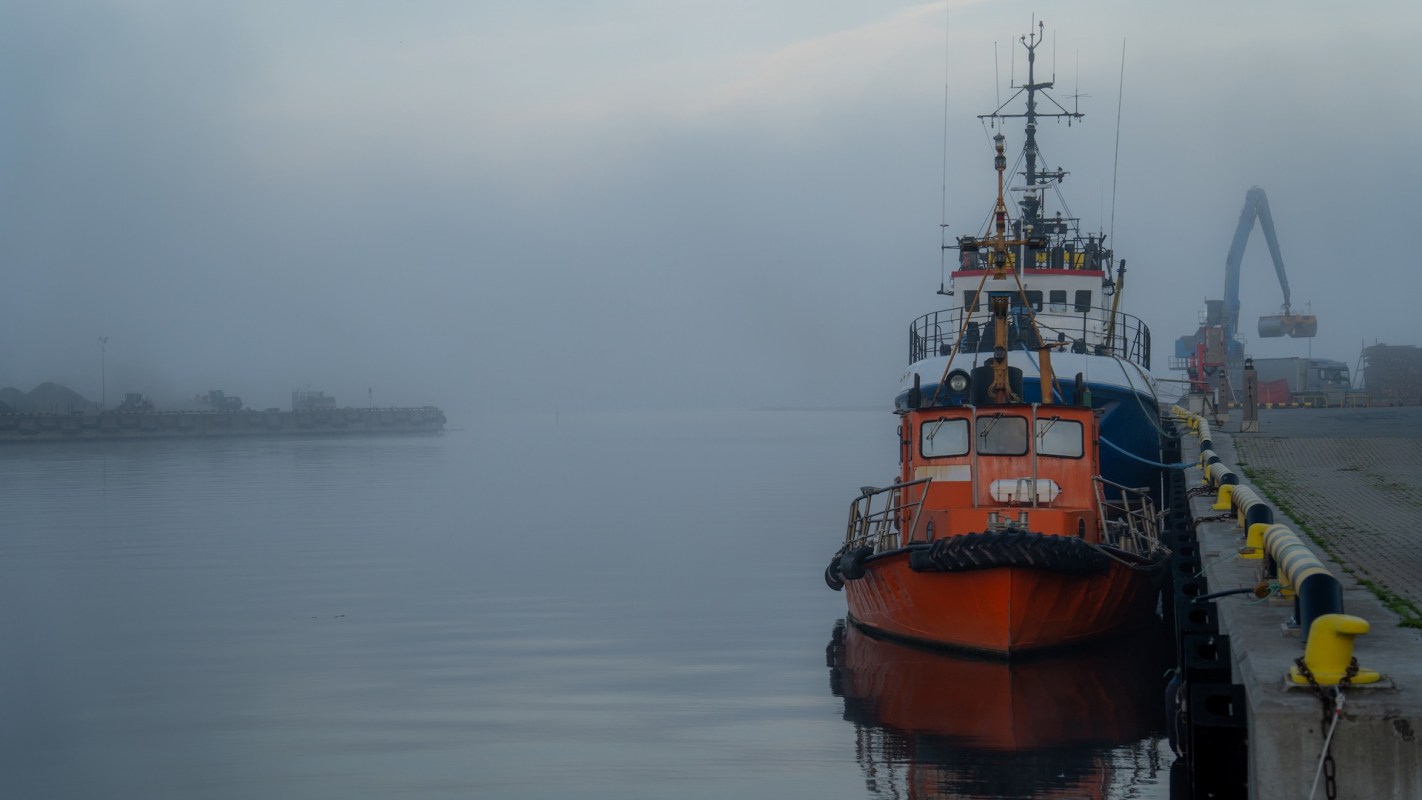
Researchers found that historically low sea levels in the Baltic Sea may open the door for its chemical and physical transformation.
What's happening?
A study from the Leibniz Institute for Baltic Sea Research Warnemünde found that certain areas of the Baltic Sea are measuring the lowest water levels in recorded history. Due to strong winds, the Baltic is missing around 275 cubic kilometers of water compared to the average capacity.
This shortage can lead to major saltwater inflows from the North Sea, which is known as the Major Baltic Inflow, particularly if sustained easterly winds in the region redirect west.
Why is the Major Baltic Inflow significant?
The Major Baltic Inflow has the potential to help oxygenate the depths of the Baltic Sea in the short term. The Baltic Sea has been experiencing a lack of oxygen due to rising ocean temperatures. If the North Sea saltwater flows in during the winter, cold water can hold more oxygen and lower temperatures in the region. This makes the basin more hospitable for wildlife, which have been struggling to adapt to the heat.
However, this large volume of saltwater can hinder oxygen absorption in the deep Baltic Sea in the long term. The salt can bolster stratification, meaning water is separated into layers with denser saltwater sinking to the bottom. This can make it difficult for new oxygen to reach the depths later, worsening oxygen deprivation, according to Baltic Waters.
The root cause of these sea level changes is warming global temperatures. As the planet overheats, glaciers melt and cause variations in water levels across the world's oceans. Some regions may experience sea-level rise, which then exacerbates extreme weather events, such as floods. Others see decreases, such as in the Baltic Sea, which cause phenomena like the Major Baltic Inflow.
What's being done about the Major Baltic Inflow?
Research like this can help us track the effects of a shifting climate on local ecosystems and communities.
"The combination of long-term observations and current measurement data allows us to accurately assess both the intensity and the potential effects of an inflow," Leibniz Institute for Baltic Sea Research Warnemünde coordinator Michael Naumann told Phys.org.
"That is why we are preparing for extensive measurements specifically tailored to the current developments as part of our long-term observation program."
|
Which of these savings plans for rooftop solar panels would be most appealing for you?
Click your choice to see results and speak your mind. |
 Save $1,000 this year 💸
Get TCD's free newsletters for easy tips to save more, waste less, and make smarter choices — and earn up to $5,000 toward clean upgrades in TCD's exclusive Rewards Club.
TCD Picks » Upway Spotlight
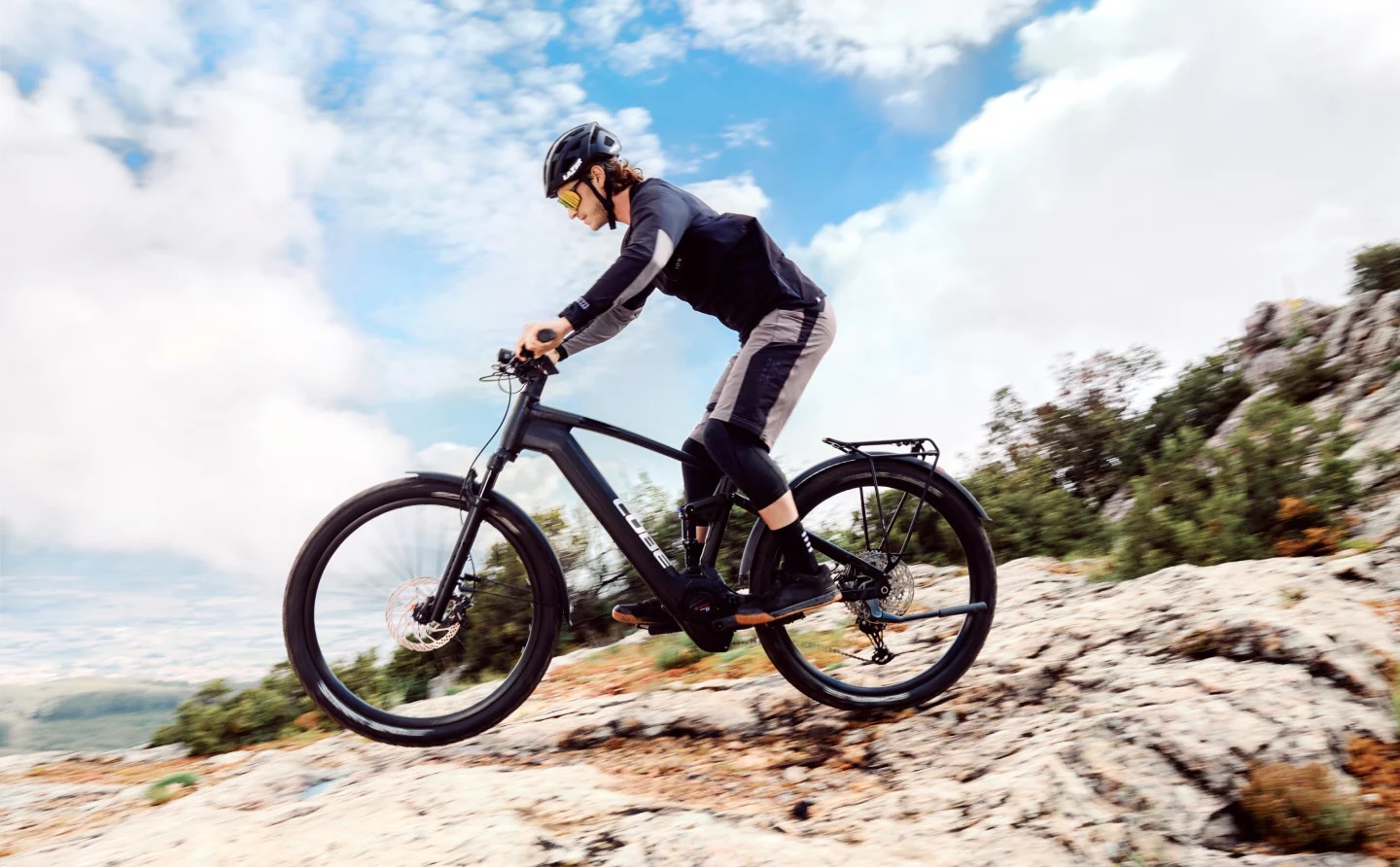
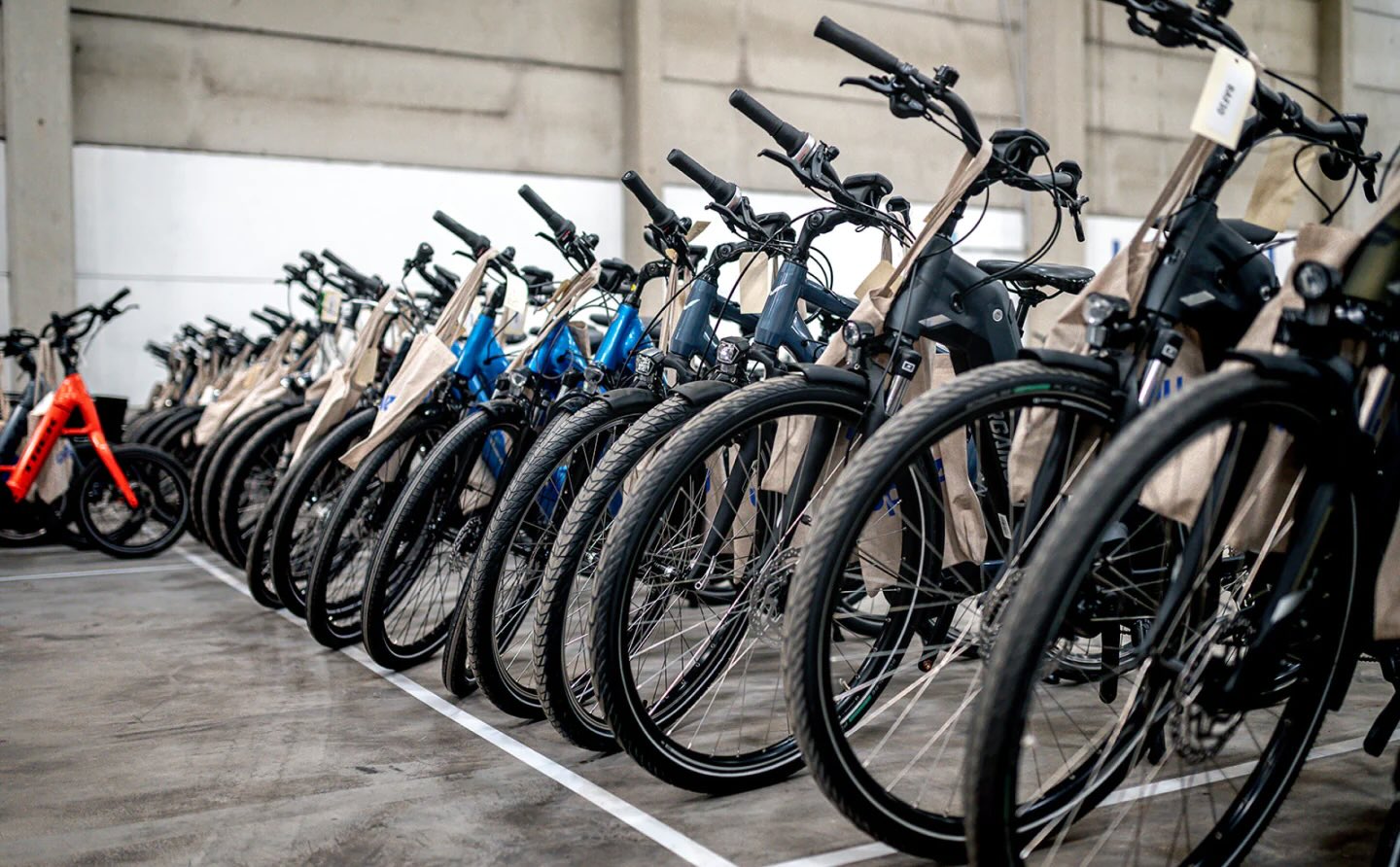
💡Upway makes it easy to find discounts of up to 60% on premium e-bike brands



Cool Picks






