


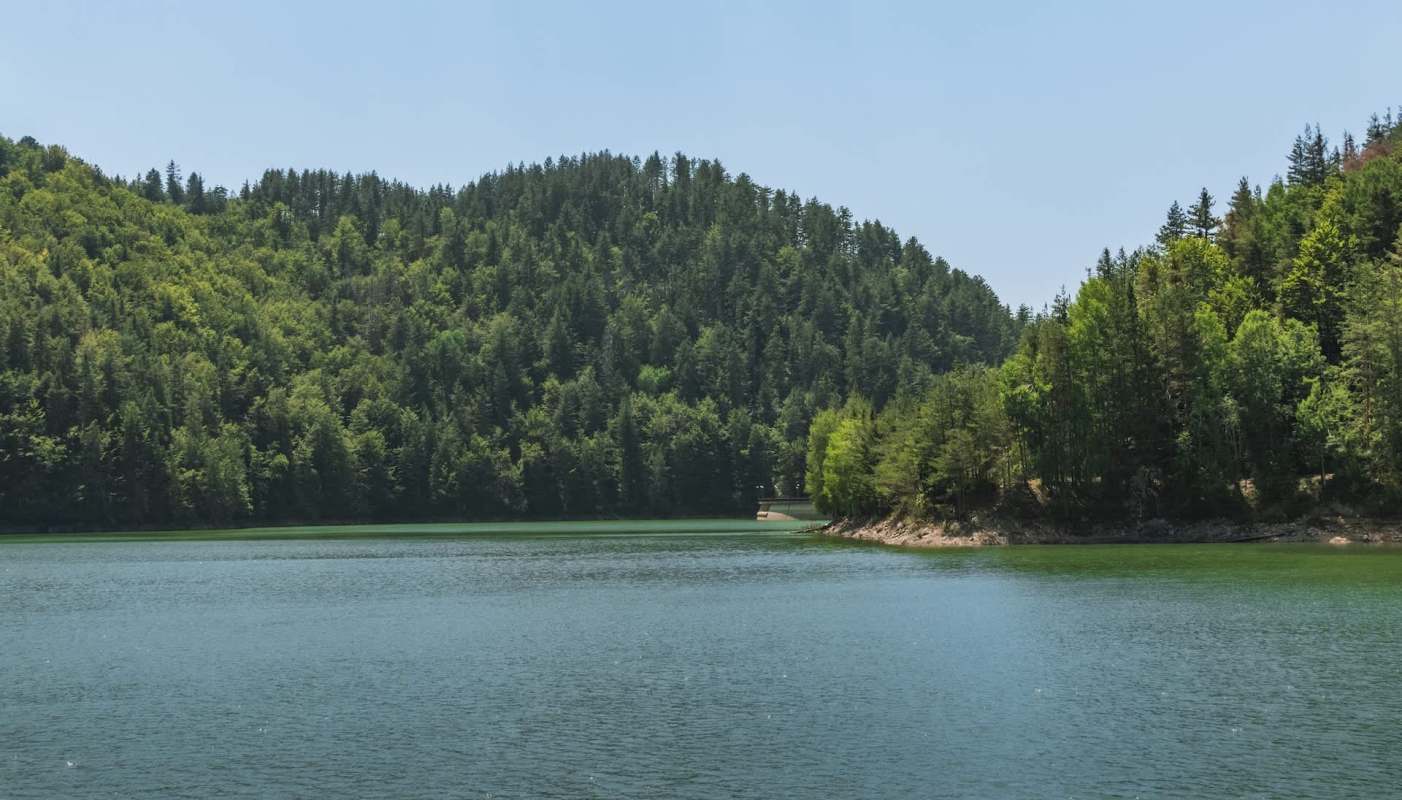
An international collaboration in Eastern Europe has officially helped restore critical forest habitats, with a focus on "nature-based solutions" to lead the way to a greener future.
The Northern Forests Initiative (NFI) celebrated a successful restoration in Albania and North Macedonia after two years of efforts that included restoring priority landscapes, promoting sustainable land management, and building institutional capacity, according to the International Union for Conservation of Nature (IUCN).
The multi-governmental initiative targeted two key areas: Bukovikj in North Macedonia and Pashtrik-Morina in Albania, which are critical to the survival of the critically endangered Balkan Lynx and serve as important ecological corridors that facilitate interconnected ecosystems and species movement in the region.
"We are proud to have supported these restoration efforts, as part of our global Northern Forest Initiative, which has shown how locally driven restoration efforts can yield lasting benefits for nature and communities. The results achieved in Albania and North Macedonia reflect the power of collaboration and the potential of nature-based solutions to address biodiversity loss and climate challenges," Andreas Eriksson, the secretary general of the Swedish Postcode Lottery Foundation, one of the organizations involved in the project, told IUCN.
The multipronged approach restored over 40 hectares of damaged landscapes in both countries and is crucial not only to the improvement of biodiversity but also to the preservation of natural resources like clean air and freshwater, as well as to the livelihoods and economic opportunities that remain rooted in green options rather than destructive ones.
Protecting biodiversity is more than an environmental issue; it's also cultural and economic. As Conservation International explained, hundreds of countries and religions incorporate elements of nature into their regalia, such as the eagle on the Albanian flag. It's a constant reminder to the communities of the importance of protecting these natural symbols.
Perk up the winter blues with natural, hemp-derived gummies Camino's hemp-derived gummies naturally support balance and recovery without disrupting your routine, so you can enjoy reliable, consistent dosing without guesswork or habit-forming ingredients. Flavors like sparkling pear for social events and tropical-burst for recovery deliver a sophisticated, elevated taste experience — and orchard peach for balance offers everyday support for managing stress while staying clear-headed and elevated.
Learn more → |

And economically, approximately 75% of global food crops rely on pollinators to thrive. The demise of pollinators would result in an estimated loss of at least $235 billion in agricultural products in the United States alone.
Restoring forests to their former health and vitality keeps everyone happy, providing jobs, recreation, and a healthy ecosystem that humans, wildlife, and plants can all benefit from.
|
Do you think America does a good job of protecting its natural beauty? Click your choice to see results and speak your mind. |
 Definitely 👍
Get TCD's free newsletters for easy tips to save more, waste less, and make smarter choices — and earn up to $5,000 toward clean upgrades in TCD's exclusive Rewards Club.
Cool Picks






