


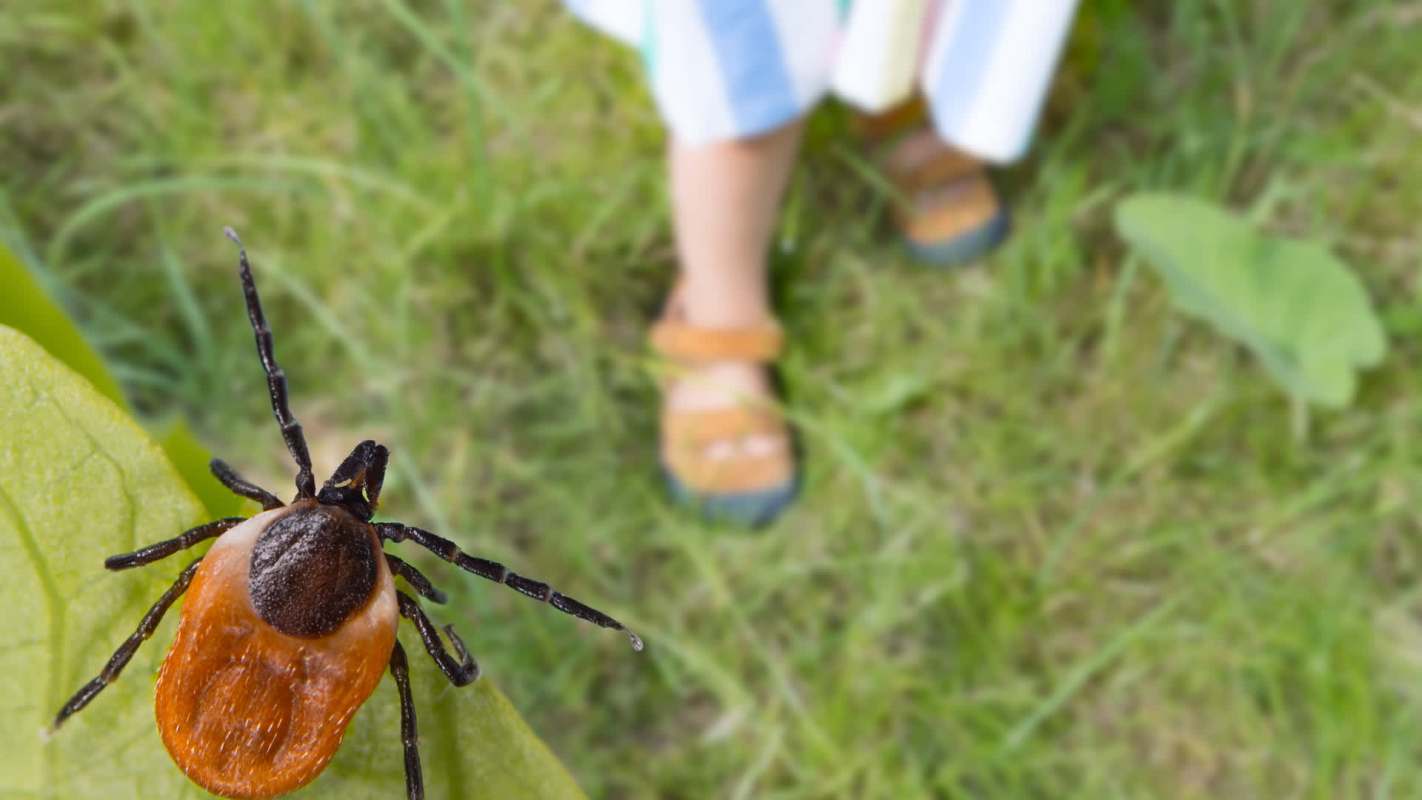
Researchers at Old Dominion University in Virginia are drawing attention to the spread of a serious tick-transmitted disease called babesiosis.
What's happening?
According to a university news release, cases of babesiosis — an illness caused by parasites that infect red blood cells — are on the rise in Virginia. Professor Holly Gaff, a Department of Biological Sciences chair and director of ODU's Tick Team, believes a significant spike in white-tailed deer numbers is to blame. Since black-legged ticks, also called deer ticks, feed on deer, it would not be surprising for these ticks to be proliferating along with local deer populations.
In a study published in July in the Journal of Medical Entomology, Gaff and other ODU researchers, along with the Virginia Department of Health, explained that babesiosis is usually limited to the Midwest and Northeast, but it's now spreading south to states such as Maryland, Virginia, and West Virginia.
Although relatively rare compared to Lyme disease, the number of reported cases of babesiosis has increased across the United States in recent years.
"This is a very serious and potentially fatal disease, so it is important that health care providers are aware it is here," Gaff told ODU News.
While most people experience only mild flu-like symptoms or no symptoms at all, the disease can be especially dangerous for high-risk groups, including older adults or those who are immunocompromised. Gaff said that some people may even contract both Lyme disease and babesiosis from the same tick bite.
Any tick-borne illnesses should be taken seriously, especially now that ticks seem to be expanding their ranges as temperatures rise.
Why is the spread of tick-borne diseases concerning?
Although most cases are not severe, dealing with common symptoms such as fatigue, nerve pain, fever, and chills can easily disrupt daily life. Serious cases of tick-borne illnesses can lead to hospitalization and even long-term complications, including anemia, autoimmune reactions, and neurological problems.
As rising global temperatures enable ticks to expand their territories into areas previously inhospitable to the insects, some tick-borne illnesses are emerging in new places for the first time. Rickettsia parkeri was discovered in Connecticut in 2024, for example, while the Powassan virus emerged in Pennsylvania.
Warmer temperatures and the earlier arrival of autumn and spring in many states are creating ideal conditions for deer ticks to thrive and survive longer, putting more people at risk of contracting Lyme disease, babesiosis, and other tick-transmitted illnesses.
TCD Picks » Quince Spotlight
💡These best-sellers from Quince deliver affordable, sustainable luxury for all




|
Do you worry about getting diseases from bug bites?
Click your choice to see results and speak your mind. |
 Absolutely 👍
 How can you protect yourself against ticks?
Rather than avoid nature entirely, Gaff recommended that people take preventative measures before heading outside. Wearing long sleeves and pants, applying insect repellent that contains DEET or picaridin — a DEET-free alternative effective against ticks — and checking for ticks after being outside are steps that experts recommend.
However, Gaff noted that more long-term research is needed to better understand how ticks are spreading and what that could mean for humans. Scientists have been studying a tick-repelling drug, for example, that could protect people from Lyme disease and other tick-borne diseases, offering hope that it may prevent many cases in the future.
For now, the best course of action is to follow expert guidance on avoiding tick bites and consult a doctor immediately if you believe you've been bitten so they can get you started on any available treatments right away.

Join our free newsletter for good news and useful tips, and don't miss this cool list of easy ways to help yourself while helping the planet.
Cool Picks




