


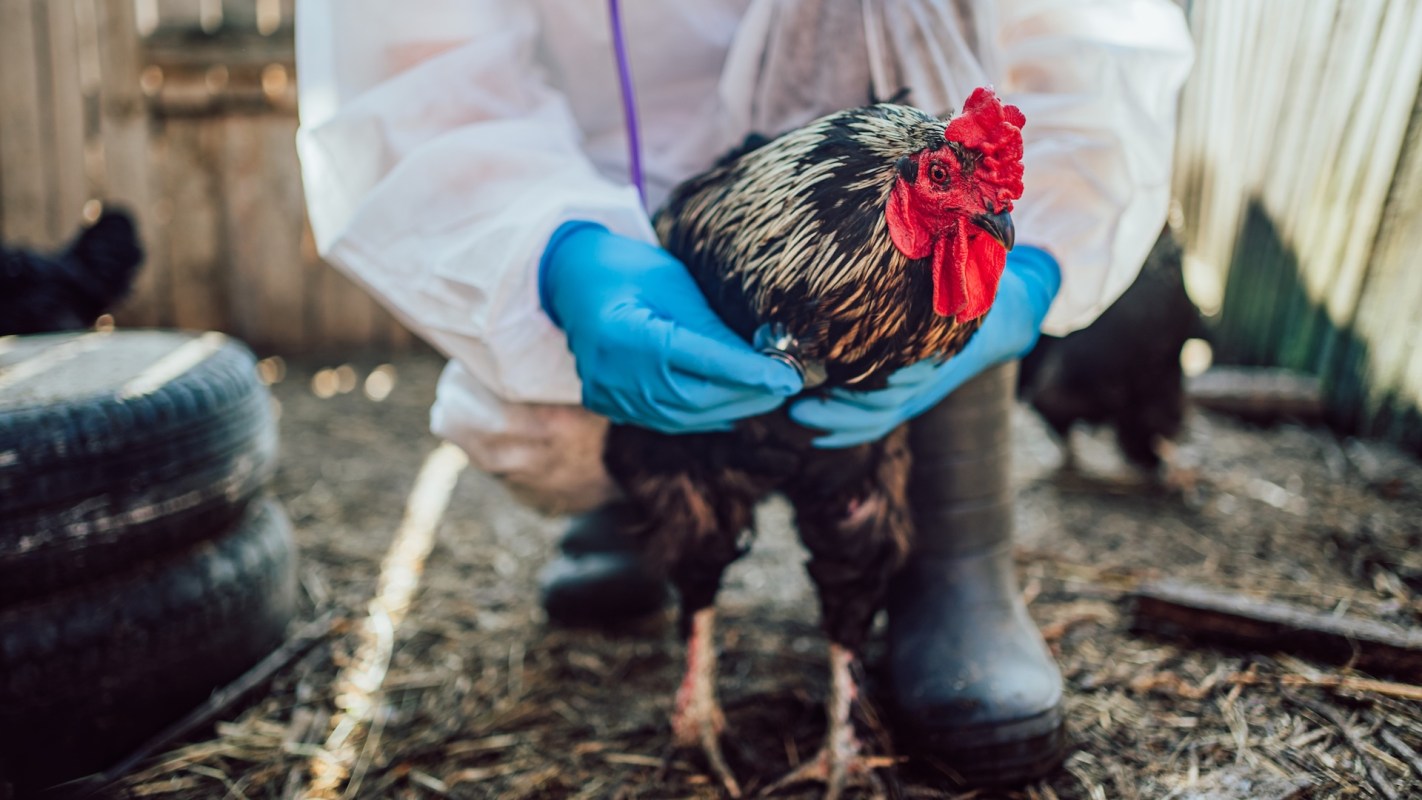
A rapidly spreading strain of bird flu has alarmed scientists, and it is increasingly being detected in mammals.
According to Mongabay, the H5N1 strain of avian influenza is at the center of concern, particularly in New York City.
"We certainly deal with viruses on a day-to-day basis, but nothing like this," said Catherine Quayle, a licensed rehabber in NYC, per the publication.
The Food and Agriculture Organization of the United States noted the strain has infected hundreds of bird species and more than 100 mammal species worldwide, including foxes, coyotes, and even domestic cats.
"We were all hoping that like other avian influenza viruses, we might see it for a couple years and then it would disappear — but that doesn't seem to be the case," said Kevin Hynes, wildlife program leader for the New York State Department of Environmental Conservation, per Mongabay. "It just keeps coming back stronger."
In densely populated urban areas like New York, where wildlife, people, and infrastructure closely intersect, the virus has more opportunities to jump between species.
"At this point, it's pretty safe to assume that highly pathogenic avian influenza could appear anywhere in New York state at any time," Hynes told the outlet.
Environmental conditions add another layer of risk. Cooler temperatures can help the virus survive longer in water and on surfaces, while crowded conditions, from natural habitats to live animal markets, accelerate transmission.
Beyond the science, the outbreak is already having real-world consequences. Large-scale die-offs can destabilize ecosystems, disrupting the predator-prey cycle and affecting entire food webs. In cities, these shifts may also change how people interact with wildlife in parks and neighborhoods.
While public health officials have said the risk to humans remains low for now, experts are closely monitoring the situation.
TCD Picks » Quince Spotlight
💡These best-sellers from Quince deliver affordable, sustainable luxury for all




"Every new species is an opportunity for the virus to acquire new abilities," global health reporter Apoorva Mandavilli said, per Mongabay. "The more we let this virus run wild … the more [it will have] enormous opportunities to become adapted and possibly become very good at spreading among people."
|
Which of these savings plans for rooftop solar panels would be most appealing for you?
Click your choice to see results and earn rewards to spend on home upgrades. |
 Save $1,000 this year 💸
Get TCD's free newsletters for easy tips, smart advice, and a chance to earn $5,000 toward home upgrades. To see more stories like this one, change your Google preferences here.
Cool Picks




