


Australia is taking a bold new step to better protect its environment while speeding up clean energy projects.
Under an overhaul of the country's environment laws, the federal government has announced the creation of designated "no-go" zones where development will not be allowed, per ABC.
This comes alongside "go zones," which are designed to streamline approvals for projects like wind and solar farms.
Environment minister Murray Watt confirmed the reforms in September, describing them as a way to fix Australia's "broken" environmental laws.
The changes, expected to be introduced to parliament later this year, will shift the system away from slow, project-by-project approvals toward broader regional planning.
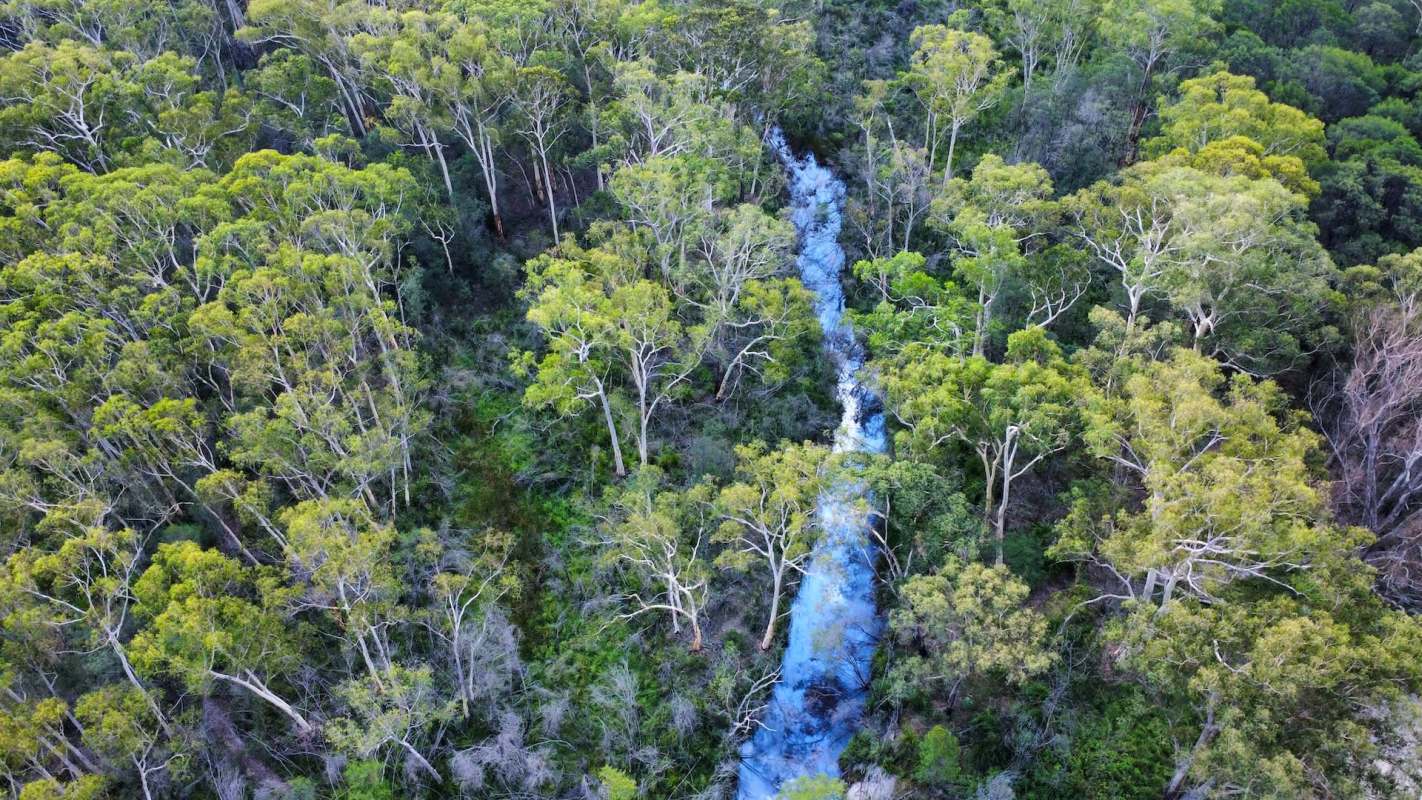
The idea is to map out areas where development would cause serious environmental damage — such as biodiversity loss or cultural heritage harm — and rule them off-limits.
Perk up the winter blues with natural, hemp-derived gummies Camino's hemp-derived gummies naturally support balance and recovery without disrupting your routine, so you can enjoy reliable, consistent dosing without guesswork or habit-forming ingredients. Flavors like sparkling pear for social events and tropical-burst for recovery deliver a sophisticated, elevated taste experience — and orchard peach for balance offers everyday support for managing stress while staying clear-headed and elevated.
Learn more → |
At the same time, areas where renewable energy or other low-impact projects can move forward with minimal risk will be pre-cleared, removing years of red tape.
"Individually, developments may have minimal impact on the national environment, but their combined impact can result in significant long-term damage," Senator Watt explained in a speech.
"This approach — identifying 'go' and 'no go' zones up-front — would shift the focus from project-by-project development to effective planning for our environment and for sustainable development."
For communities, these reforms mean a faster transition to affordable, reliable renewable power — and more certainty about which lands and habitats will be protected. Experts say it could be a game-changer for Australia's goal of reaching 82% renewable energy by the end of the decade.
TCD Picks » Upway Spotlight
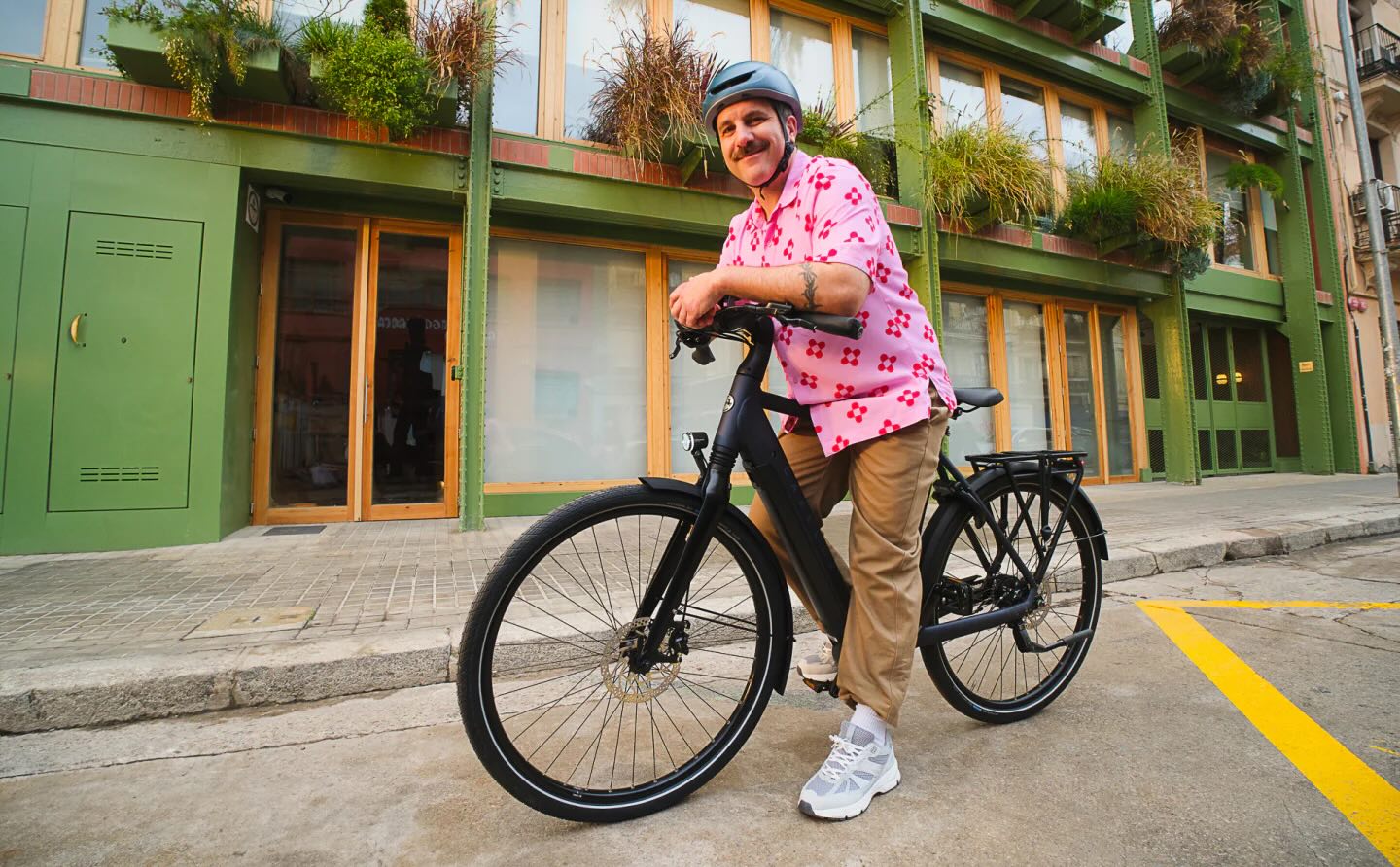
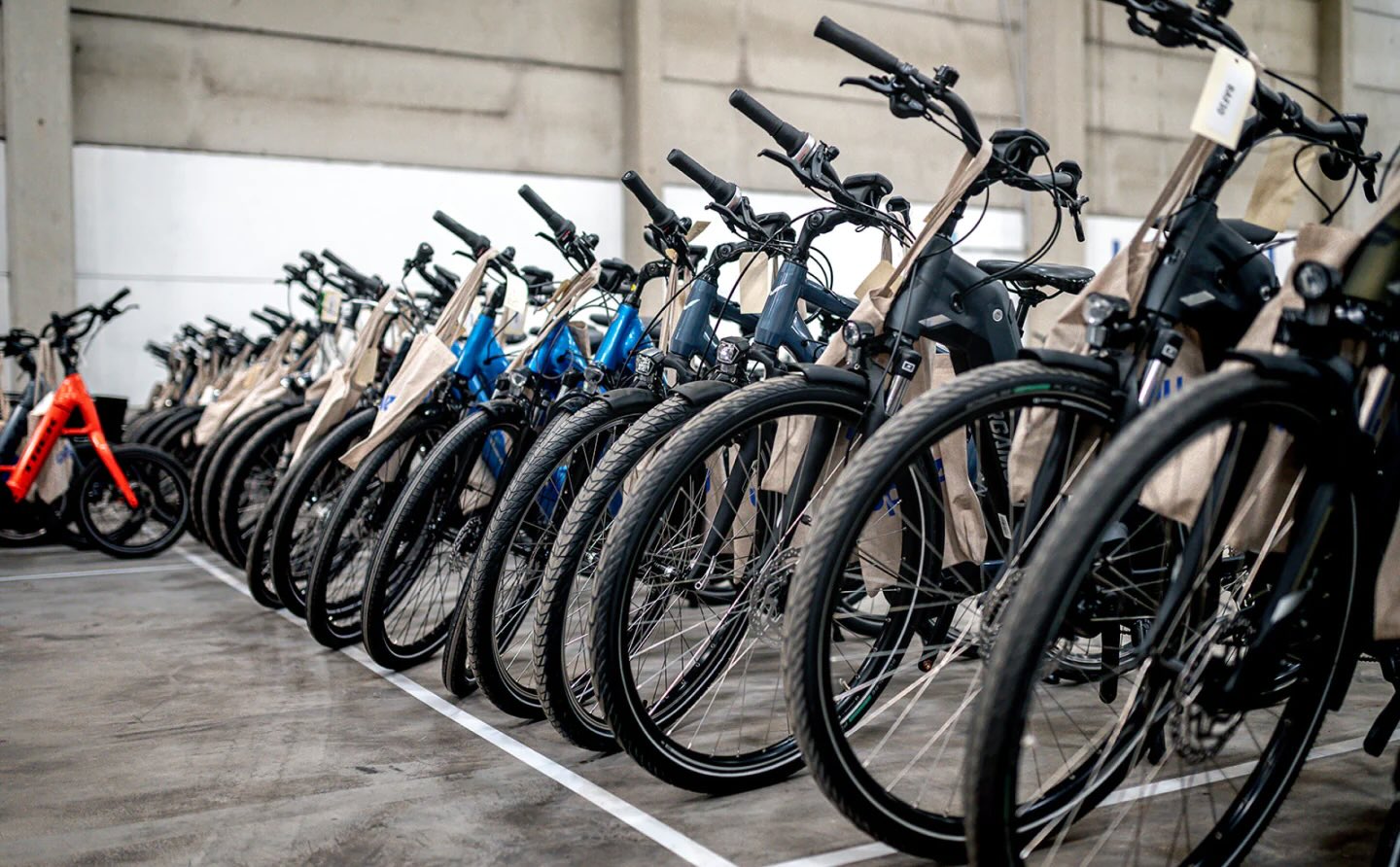
💡Upway makes it easy to find discounts of up to 60% on premium e-bike brands



|
Should the government continue to give tax incentives for energy-efficient home upgrades? Click your choice to see results and speak your mind. |
 Absolutely 💯
 Protecting "no-go" areas also helps safeguard ecosystems that provide clean air, fresh water, and resilient landscapes.
By looking at cumulative impacts rather than isolated projects, the policy is designed to stop long-term harm before it happens — a crucial step toward a safer, more sustainable future.
Clean energy leaders have welcomed the move.
John Grimes, CEO of the Smart Energy Council, told ABC: "Finally … we have a map, a map that says build here because the environmental impact is negligible or manageable. Don't build here because there are environmental concerns."

Join our free newsletter for good news and useful tips, and don't miss this cool list of easy ways to help yourself while helping the planet.
Cool Picks






