


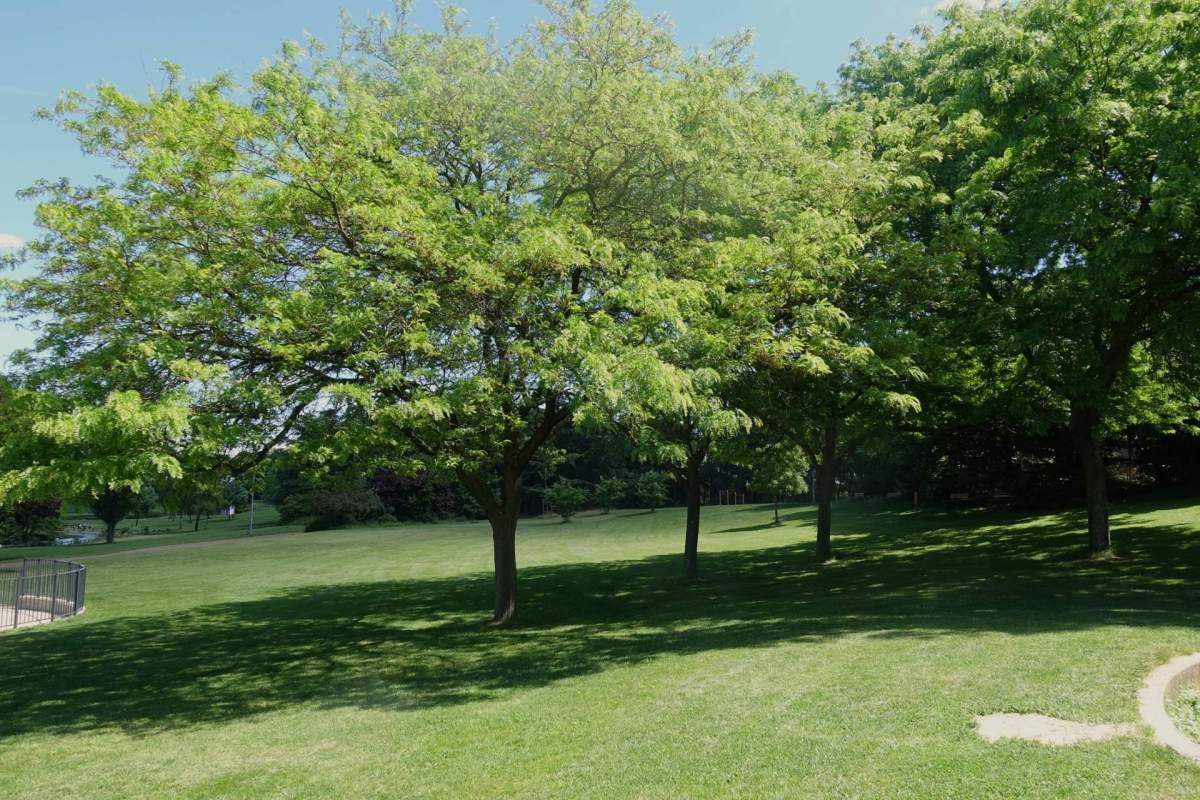
In Australia, the growing season is in full swing. Many gardens are thriving, but invasive species are also creeping across the continent. One notorious weed, the honey locust, has been spotted in New South Wales, and local authorities have warned residents to be on the lookout for this thorny hazard, Mirage News reported.
What's happening?
The honey locust is a deciduous tree that grows up to 65 feet tall in thick stands that can block the passage of wild and domesticated animals. It features clusters of sharp spines that are long enough — about 4 inches — and sharp enough to cause injuries, damage machinery, and puncture car tires, and it also provides shelter for pest animals, including foxes and rabbits.
All these characteristics mean that this tree damages both wild areas and farmland. For this reason, it is classified as a regional priority weed in central-west NSW, with local efforts focused on eliminating it from the area.
Why is getting rid of this invasive species important?
Species become invasive when they are introduced to a new area and thrive in that environment. They outcompete native species, using up resources and damaging the ecosystem by making it difficult for other species to survive. Some may even prey on or poison other species directly, or cause other types of damage, as the honey locust does.
A hallmark of invasive species is that they spread quickly. The honey locust, for instance, can produce over 10,000 seeds per year once it is mature.
"Early detection and swift action are crucial in managing honey locust to preserve our natural ecosystems and agricultural lands," said Andrew Francis, director of infrastructure and sustainability, per Mirage News.
What's being done about honey locust trees?
Officials offered advice for residents looking to get rid of this invasive species on their property. "Controlling this species requires a combination of methods, including mechanical removal and targeted herbicide application, to effectively suppress its spread," Francis said.
The most eco-friendly way to get rid of any invasive species is to remove it by hand, as many residents have done with their local weeds.
|
What's the most you'd pay per month to put solar panels on your roof if there was no down payment?
Click your choice to see results and speak your mind. |
 $200 or more 💰
Get TCD's free newsletters for easy tips to save more, waste less, and make smarter choices — and earn up to $5,000 toward clean upgrades in TCD's exclusive Rewards Club.
Cool Picks




