


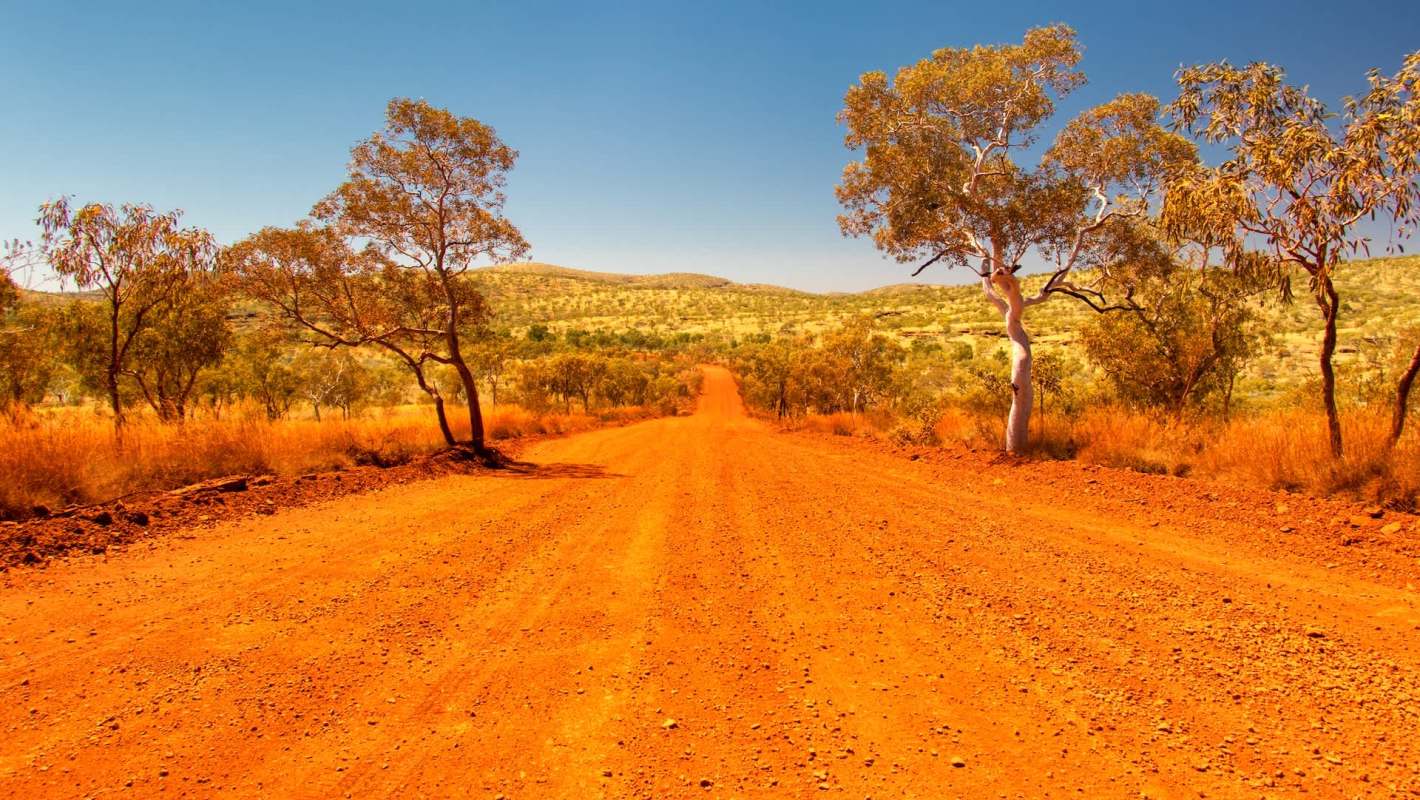
The heat is getting stifling in the northern areas of Western Australia. So stifling, in fact, that it's outrunning the capacity of some thermometers to measure it.
What's happening?
ABC Australia reported on the extreme heatwave that is unofficially delivering temperatures surpassing 50 degrees Celsius (122 degrees Fahrenheit). While heatwaves are common in Australia, recent conditions are pushing the envelope and even exceeding the capacity of some residents' thermometers.
Marble Bar caravan park owner Neil Munro revealed his old-school thermometer couldn't measure above 50 degrees Celsius. The reading landed there by default. His digital one shared a remarkable reading of 53.9 degrees Celsius (about 129 degrees Fahrenheit).
Australia's official temperature record of 50.7 degrees Celsius (123.2 degrees Fahrenheit) is under serious threat. That record could be surpassed. But Jessica Lingard of Australia's Bureau of Meteorology said some temperatures in certain areas likely won't be reported because of a lack of weather stations.
A record was set, however, at Shark Bay Airport. A 49.2 C (about 120.5 F) reading made it the hottest day ever registered there in January.
Why is Australia's regional heat wave important?
There is well-founded concern over the safety of people and animals in the scorching conditions. Brinkley Davies, founder of the Balu Blue Foundation, noted the toll on dingoes in Ningaloo, Western Australia, battling health issues like mange.
When the dingoes run unprotected from the sun, the extreme heat impacts their immune systems and energy levels. That can mean they deal with painful skin conditions while losing crucial capacity to hunt and scavenge. Davies estimated that 10 dingoes have died in the last 12 months, and only six known animals remained in the area.
Vulnerable community members, including the elderly, children, and those with chronic health conditions also face real risks from this sort of heat. Flinders University Disaster Research Centre director Paul Arbon stressed to ABC Australia that the consequences don't arrive overnight.
"One of the really interesting things that we have seen in health data is that the impact of the hot conditions is often seen in the 10 days after the heatwave," he said. "The effect of that might not catch up with you for a few days after."
What's being done about Australia's heat wave?
Arbon emphasized the importance of locals staying hydrated, using air conditioning, and remaining indoors during the hottest parts of the day.
TCD Picks » Quince Spotlight
💡These best-sellers from Quince deliver affordable, sustainable luxury for all




|
How hot does your town get during the summer? Click your choice to see results and speak your mind. |
 Highs in the 80s or below 😎
 The area where this is happening is prone to notoriously hot temperatures, as ABC Australia noted. While residents are used to extreme heat events, that doesn't negate how human contributions are intensifying heat events. Transitioning away from polluting fuel sources like gas, coal, and oil to cleaner energy sources can potentially reverse the trend.
Without any changes, more prolonged heatwaves will threaten public health, community safety, wildlife, and economic stability around the globe.

Get TCD's free newsletters for easy tips to save more, waste less, and make smarter choices — and earn up to $5,000 toward clean upgrades in TCD's exclusive Rewards Club.
Cool Picks






