


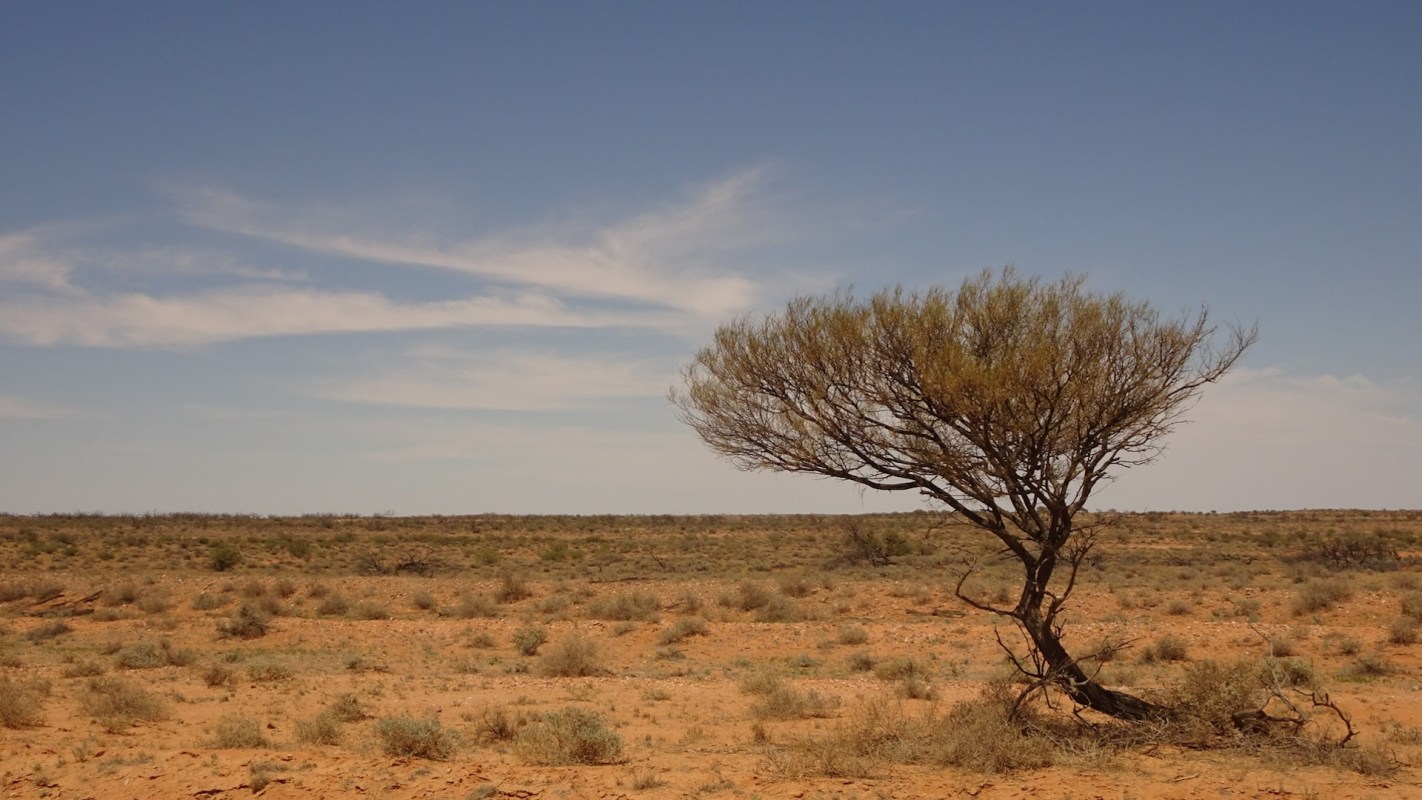
Several heatwave warnings have been posted for large portions of Australia as the country braces for the most scorching heat it has seen in six years, according to the ABC. The southern part of the country is expected to experience the most severe heatwave conditions.
"It is looking like … the most significant burst of heat for south-eastern Australia, particularly in terms of multiple days in a row of mid-40 temperatures, since the summer of 2019-2020," Dean Narramore, a senior forecaster with Australia's Bureau of Meteorology (BOM), told the ABC.
Narramore warned that extreme heat waves "will affect everyone, not just the elderly, but also even healthy people as well."
The BOM is forecasting temperatures in some spots to top out in the middle 40s in Celsius (around 109 F to 117 F). Narramore expects some locations may experience that level of heat for as much as four days in a row. Low temperatures may not dip below 80 F in some of the harder hit regions of Australia.
"Seek a place to keep cool, such as your home, a library, community centre or shopping centre," urged the BOM in a heatwave warning. "Close your windows and draw blinds, curtains or awnings early in the day to keep the heat out of your home. If available, use fans or air-conditioners to keep cool."
A large swath of central and southern Australia will endure severe to extreme heatwave conditions, level two and three out of three, respectively. The BOM said extreme heat waves "are rarer and are a problem for anyone who doesn't take steps to keep cool."
The extreme heat is also raising the risk of wildfires in Australia. Widespread extreme fire danger is likely on Friday in portions of the country. The combination of a cold front whipping up gusty winds ahead of it and the threat of dry lightning will increase fire danger.
Our overheating planet is supercharging many forms of extreme weather, especially heat waves. A study by the London School of Hygiene & Tropical Medicine and Imperial College London found that about 16,500 deaths that occurred last summer across Europe can be attributed to "climate change-driven" heat.
An Australian Climate Service report released last year had a dire forecast of huge economic losses as extreme weather risks rise and our planet overheats.
"As climate hazards change in frequency and increase in severity, [it's] likely we will experience more compounding, cascading and concurrent hazards in the future (medium to high confidence)," noted the ACS report. "For example, heavier rainfall and severe flooding following a tropical cyclone and extratropical low, or extreme heatwaves and increased air pollution during and after a bushfire."
TCD Picks » Quince Spotlight
💡These best-sellers from Quince deliver affordable, sustainable luxury for all




More and more Australians are adopting renewable energy technology as a way to battle extreme weather. A recent Clean Energy Council report found that rooftop solar and backup batteries are surging in popularity with Australian households and businesses. Solar energy paired with backup battery systems can make homes more resilient in the face of extreme weather.
|
How hot does your town get during the summer? Click your choice to see results and speak your mind. |
 Highs in the 80s or below 😎
Get TCD's free newsletters for easy tips to save more, waste less, and make smarter choices — and earn up to $5,000 toward clean upgrades in TCD's exclusive Rewards Club.
Cool Picks






