


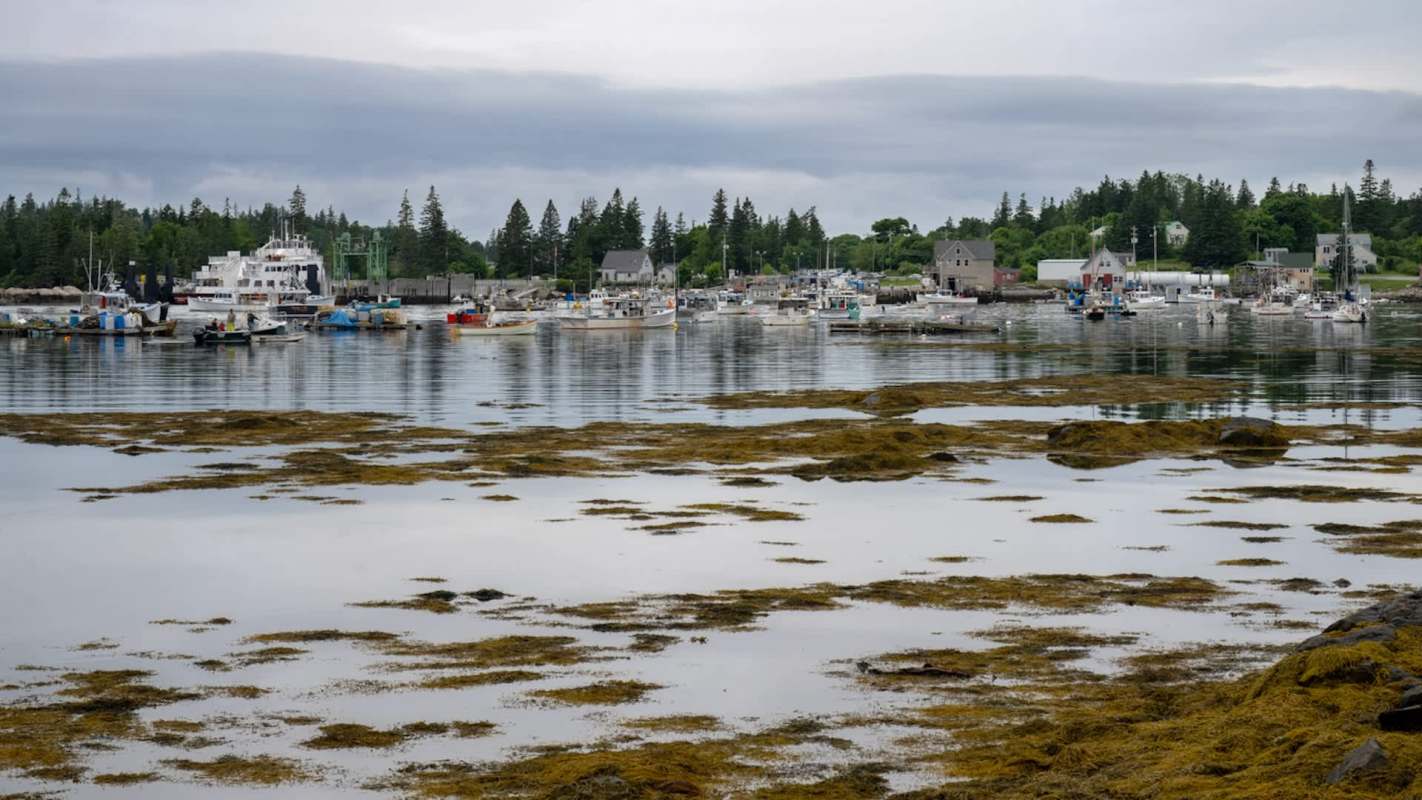
A researcher at the University of Maine's Pelagic Fisheries Lab conducted a study about Atlantic bluefin tuna and observed surprising changes in the fish's diet.
This prized species of fish is shifting away from eating herring and now consuming menhaden as its primary prey.
What's happening?
As the university shared on Phys.org, researcher Sammi Nadeau published the study in the journal Marine Ecology Progress Series.
Atlantic herring in the Gulf of Maine have been dramatically declining in population. Without ample herring to eat, Atlantic bluefin tuna began eating another fatty pelagic fish, menhaden.
Menhaden is not only a primary food source now for Atlantic bluefin tuna but also an essential ingredient in commercial fish oils. Understanding how vital menhaden have become commercially and in the natural food chain, scientists are recommending fishing limits to reduce the burden on menhaden populations.
Why are Atlantic bluefin tuna diets important?
Commercially, Atlantic bluefin tuna are an especially valuable species of fish today. Just one of these fish can bring in over $10,000. Last year, commercial and recreational fishing brought in over 3.5 million pounds of these fish.
Furthermore, Atlantic bluefin tuna catches are linked to many economic activities, including boat building, local markets, and gear for sale.
Scientists believe this understanding of the Atlantic bluefin tuna's changing diet is essential for conservation and fishing control purposes. This knowledge informs marine resource managers about how to reduce burdens on local fish populations and control boat activity through migration routes.
The Atlantic bluefin tuna migrates for thousands of miles annually, an endeavor that requires substantial food to sustain the journey and support reproduction.
These fish are also an integral part of their ecosystems. Conservation efforts for all species are critical to maintain ecological balance and food chains.
TCD Picks » Quince Spotlight
💡These best-sellers from Quince deliver affordable, sustainable luxury for all




|
Do you think America does a good job of protecting its natural beauty? Click your choice to see results and speak your mind. |
 Definitely 👍
 What's being done to protect valuable fish species?
In Maine and many other coastal regions, environmental changes are causing fish behaviors and feeding patterns to shift. Human development, pollution, and unregulated fishing activities threaten fish species' survival worldwide.
Fortunately, research studies like this one in Maine help address declines in aquatic species and plan for the future of sustainable fishing and recreation.
Conservationists have also been advocating for the federal protection of vulnerable marine life and working to bring threatened species back from the brink of extinction.
On an individual level, you can support these efforts and take local action by volunteering your time and donating money to conservation groups that prioritize the welfare of sea animals.

Join our free newsletter for good news and useful tips, and don't miss this cool list of easy ways to help yourself while helping the planet.
Cool Picks






