


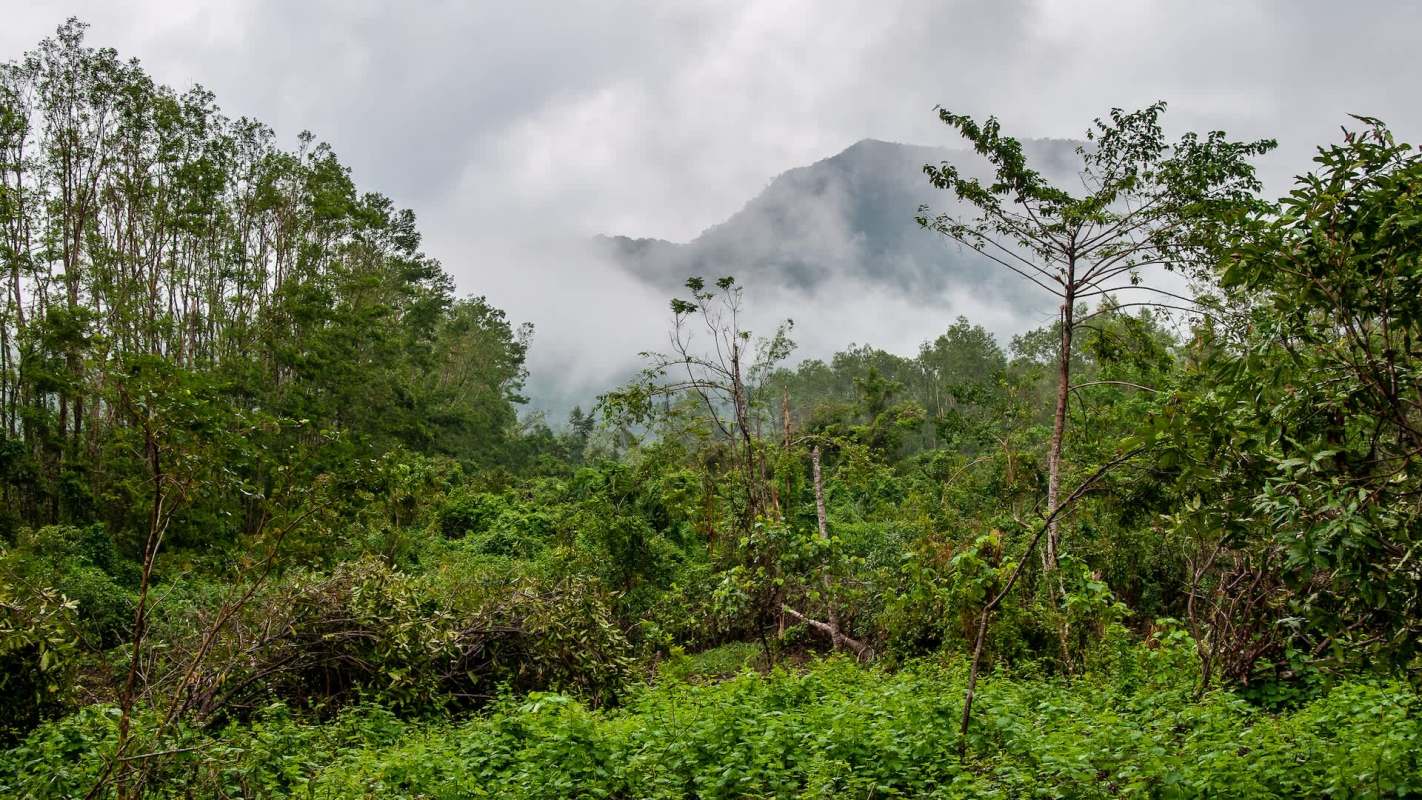
Trail cameras in Pu Hoat Nature Reserve in Vietnam recently recorded the elusive Asian golden cat for the first time in the area, marking a significant conservation milestone.
The discovery was the result of a two-month survey using 120 trail cameras at 60 locations in the reserve. According to DTI News, the continuously running cameras captured images of several rare species during the survey, but conservationists were especially surprised when they spotted this rare feline species.
"The most significant result is the first-ever record of the Asian golden cat in Pu Hoat Nature Reserve," Nguyen Van Sinh, director of Pu Hoat Nature Reserve, told DTI News of the survey. "This is an extremely rare species with very high conservation value and is under strict protection."
Sinh added that the verified sightings of the Asian golden cat provide "scientific evidence confirming the species' presence and distribution in the reserve," highlighting the area's significant and valuable biodiversity.
The Asian golden cat is listed as "critically endangered" by Vietnam's Red Data Book, experiencing a population decline of more than 80% over the last 30 years. The species is listed as "vulnerable" by the IUCN Red List of Threatened Species, which notes that there are about 7,000 Asian golden cats left in the wild. And that number is steadily declining, according to the IUCN.
The IUCN names urban development, poaching, energy production and mining, agriculture, and transportation as the biggest threats to the Asian golden cat.
Trail cameras are powerful non-invasive tools for wildlife research and conservation, providing reliable, date and location-stamped evidence of species presence and behavior that might otherwise go unnoticed.
By capturing images over long periods, these devices help scientists and conservationists gauge population health and distribution, monitor trends, and assess the conservation or rehabilitation efforts without disturbing wildlife. This data can help with habitat protection, restoration, and policies that reduce wildlife threats, increasing the chances that vulnerable species survive and thrive.
Smart management of vulnerable species and at-risk habitats has direct benefits to our planet. When endangered animals stabilize or return to a region, their presence often supports healthier ecosystems that help sustain food security, protect clean water, and strengthen local economies. Asian golden cats, for instance, help provide balance to their entire ecosystem by keeping prey populations at bay.
Simply put, when conservation works, everyone wins — from shy Asian golden cats to the communities that depend on a healthy, thriving environment.
TCD Picks » Quince Spotlight
💡These best-sellers from Quince deliver affordable, sustainable luxury for all




|
Do you think America does a good job of protecting its natural beauty? Click your choice to see results and speak your mind. |
 Definitely 👍
Get TCD's free newsletters for easy tips to save more, waste less, and make smarter choices — and earn up to $5,000 toward clean upgrades in TCD's exclusive Rewards Club.
Cool Picks






