


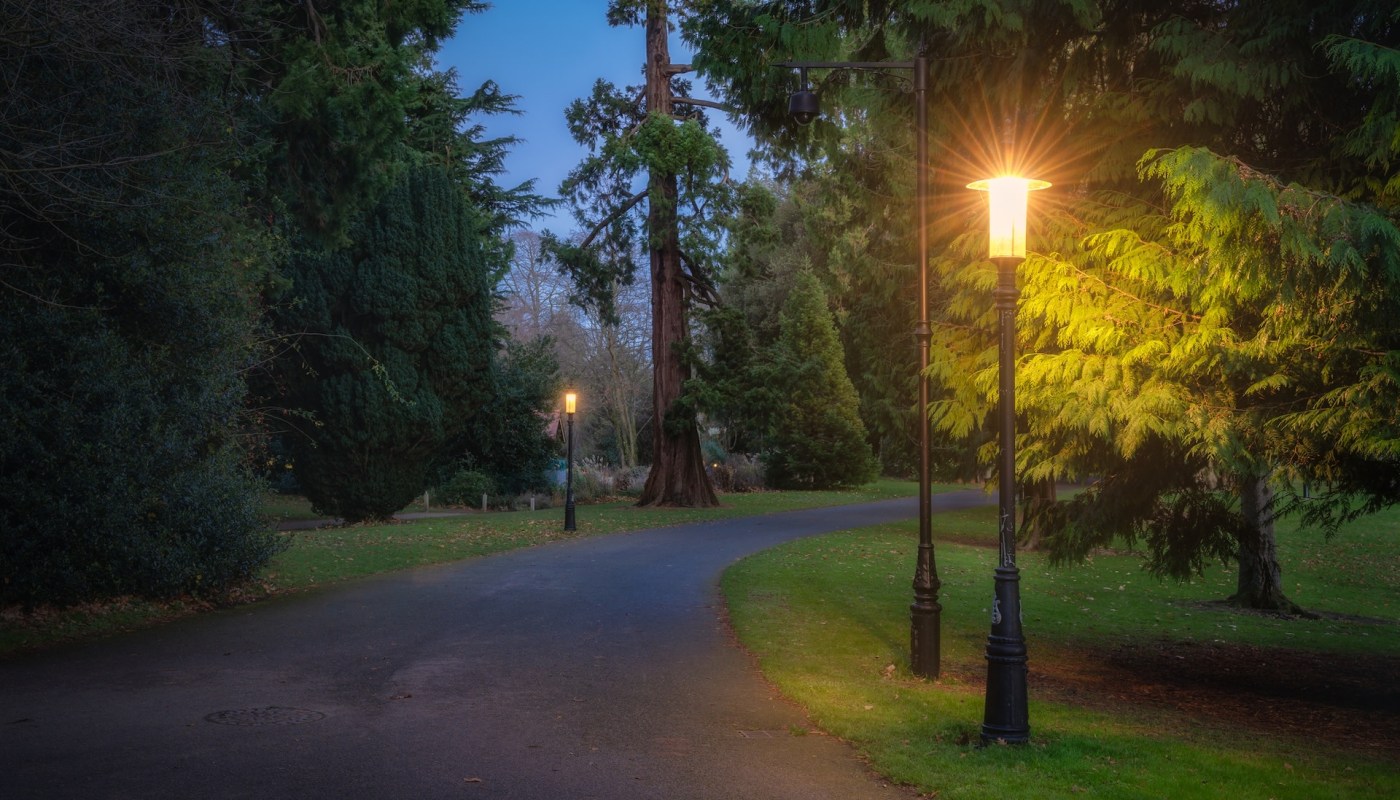
A new study has revealed a hidden cost of our brightly lit cities, and it goes far beyond just ruining the view of the stars.
According to research published in Nature Climate Change, artificial light at night (ALAN) is fundamentally altering how organisms in ecosystems breathe, causing them to release more carbon dioxide than they normally would.
What's happening?
Most folks think light pollution is just an annoyance for stargazers, but it actually acts like a stimulant for the planet's biology.
A team of researchers analyzed data from 86 sites across North America and Europe and found that street lights and city glows are essentially giving organisms insomnia. The artificial light keeps plants and microbes "awake" and active long after they should have powered down.
You see, this boosts "ecosystem respiration" — the process by which biological systems release carbon back into the air. But since the light isn't strong enough to trigger photosynthesis, nature isn't scrubbing that carbon back out.
Think of it like leaving your car idling in the driveway all night. You burn through your fuel tank and pump out exhaust, but you aren't going anywhere. The engine is running, but there is zero productivity.
Why is this concerning?
It is easy to assume that a few extra lights don't matter. But this imbalance is chipping away at the planet's ability to regulate itself.
This light pollution creates a systemic failure, disrupting energy flows and natural patterns just as invasive species disrupt a food web. It is like a bank account where you keep making withdrawals (releasing carbon) but stop making deposits (absorbing carbon). Eventually, the balance hits zero.
When we lose that balance, we delay progress toward a cleaner, safer future. It creates a dangerous feedback loop in which brighter nights lead to more carbon release, fueling the very overheating that stresses these ecosystems even further.
What's being done about it?
The good news is that we aren't powerless here. We can reclaim the night without stumbling around in the dark.
TCD Picks » Quince Spotlight
💡These best-sellers from Quince deliver affordable, sustainable luxury for all




|
Should everyone have access to free curbside recycling? Click your choice to see results and speak your mind. |
 Yes 👍
Yes 👍 Simple changes make a huge difference. Turning off unnecessary lights, using motion sensors, and shielding outdoor fixtures can drastically cut light pollution immediately.
Technology is also catching up. Scientists have developed "smarter" windows that act like high-tech sunglasses, optimizing sunlight and reducing glare. Others are working on color-changing materials that react to temperature, improving building efficiency and reducing the need for excess energy. There are even new systems that use electricity to control light and heat, stopping energy waste in its tracks.
By adopting these smarter designs and respecting the natural cycle of light and dark, we can help restore ecological balance. It's a bright idea that will help the planet sleep a little better.

Get TCD's free newsletters for easy tips to save more, waste less, and make smarter choices — and earn up to $5,000 toward clean upgrades in TCD's exclusive Rewards Club.
Cool Picks






