


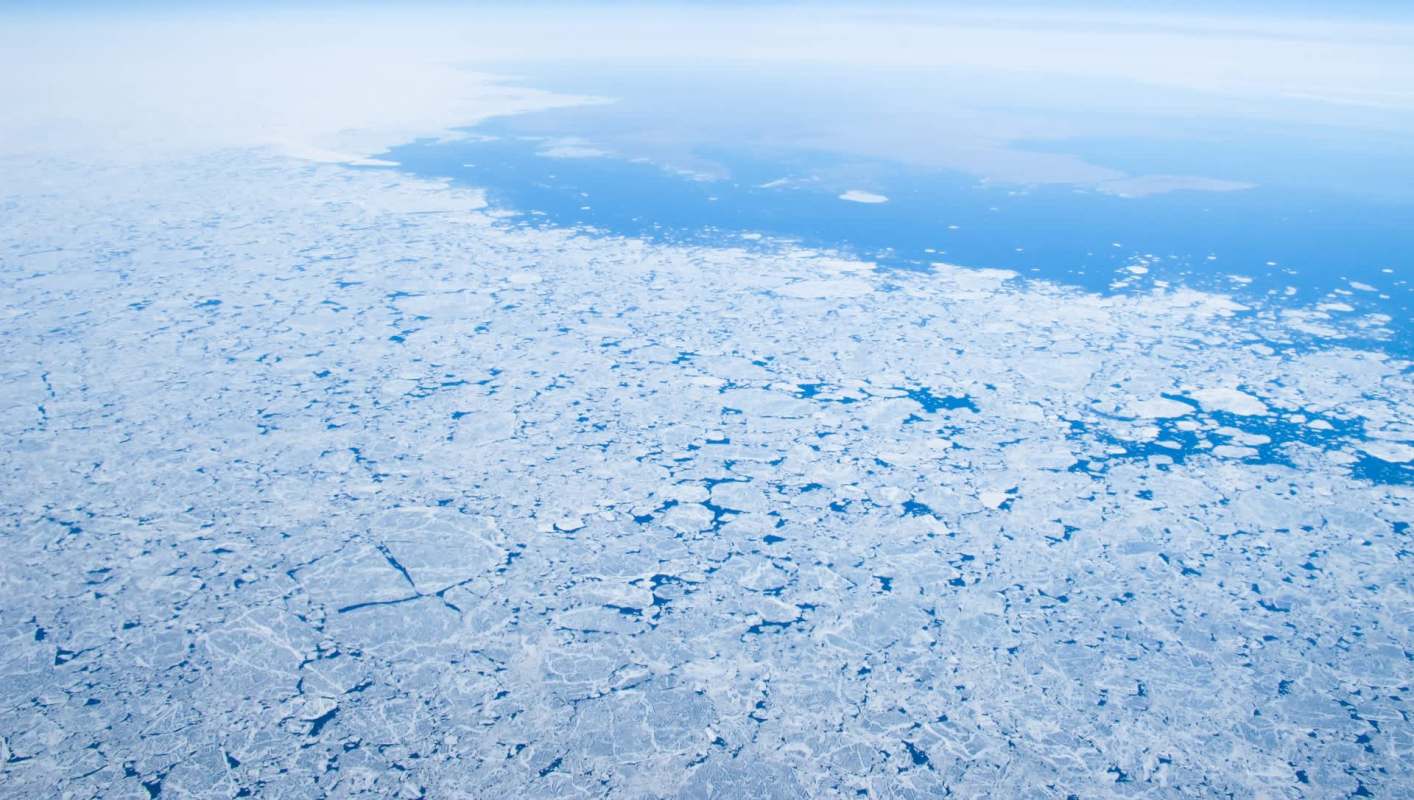
A Canadian research icebreaker sailed through water that has historically remained frozen year-round, marking a troubling milestone in Arctic ice loss.
What's happening?
As the CBC detailed, scientists with Fisheries and Oceans Canada and the University of Manitoba set out on a four-week expedition aboard the CCGS Amundsen in September 2025.
The vessel entered waters around the Queen Elizabeth Islands and western Tuvaijuittuq in Canada's High Arctic for the first time in history.
Those waters have long been known as one of the last places on Earth with year-round sea ice. The thickness of the ice made them nearly impossible to access until now.
"We have lost ice, we have increased the area of open water, and the area is now more navigable," said David Babb, a research associate at the University of Manitoba's Centre for Earth Observation Science, per the publication.
"This allows us to sort of understand what is happening in this area right now and guide projections on what is going to happen into the future," Babb also noted, highlighting a silver lining amid the troubling changes.
Why is Arctic ice loss concerning?
The disappearance of Arctic sea ice threatens communities worldwide. Higher tides during extreme weather put coastal populations at risk as warming waters expand and ice that once protected shorelines vanishes.
Babb noted that changes in the High Arctic will ripple south to areas with larger fishing operations as well. The loss of sea ice also affects the presence of phytoplankton and fish in Arctic waters, which form the foundation of ocean food chains.
Local Nunavut communities already see these impacts firsthand.
"Some of the elders have told me that the ice is melting faster and that they could have traveled by sled to certain islands or places longer into the year, but now it's kind of different," said Rhonda McKenzie, a teacher at Qarmartalik School in Resolute Bay, per CBC.
|
How worried are you about rising ocean levels? Click your choice to see results and speak your mind. |
 Very 😰
 What's being done about Arctic ice loss?
Researchers are working to document and understand these rapid changes, with scientists partnering with Arctic communities to gather observations.
TCD Picks » Quince Spotlight
💡These best-sellers from Quince deliver affordable, sustainable luxury for all




Babb and his colleagues are pushing to involve community members in measuring ice thickness and potentially joining future voyages.
"They live on the land, they live on the ice, they spend a lot of time on the water," Babb noted per the article. "They have these intangible observations that we can't collect."
Individuals can make a difference, too. Making lifestyle changes to reduce the production of air pollution can slow the rate of rising global temperatures that warm oceans and melt ocean ice.
Whether it's using less plastic or investing in solar panels, these actions can reduce your environmental impact and also save you money in the long term.

Get TCD's free newsletters for easy tips to save more, waste less, and make smarter choices — and earn up to $5,000 toward clean upgrades in TCD's exclusive Rewards Club.
Cool Picks






