


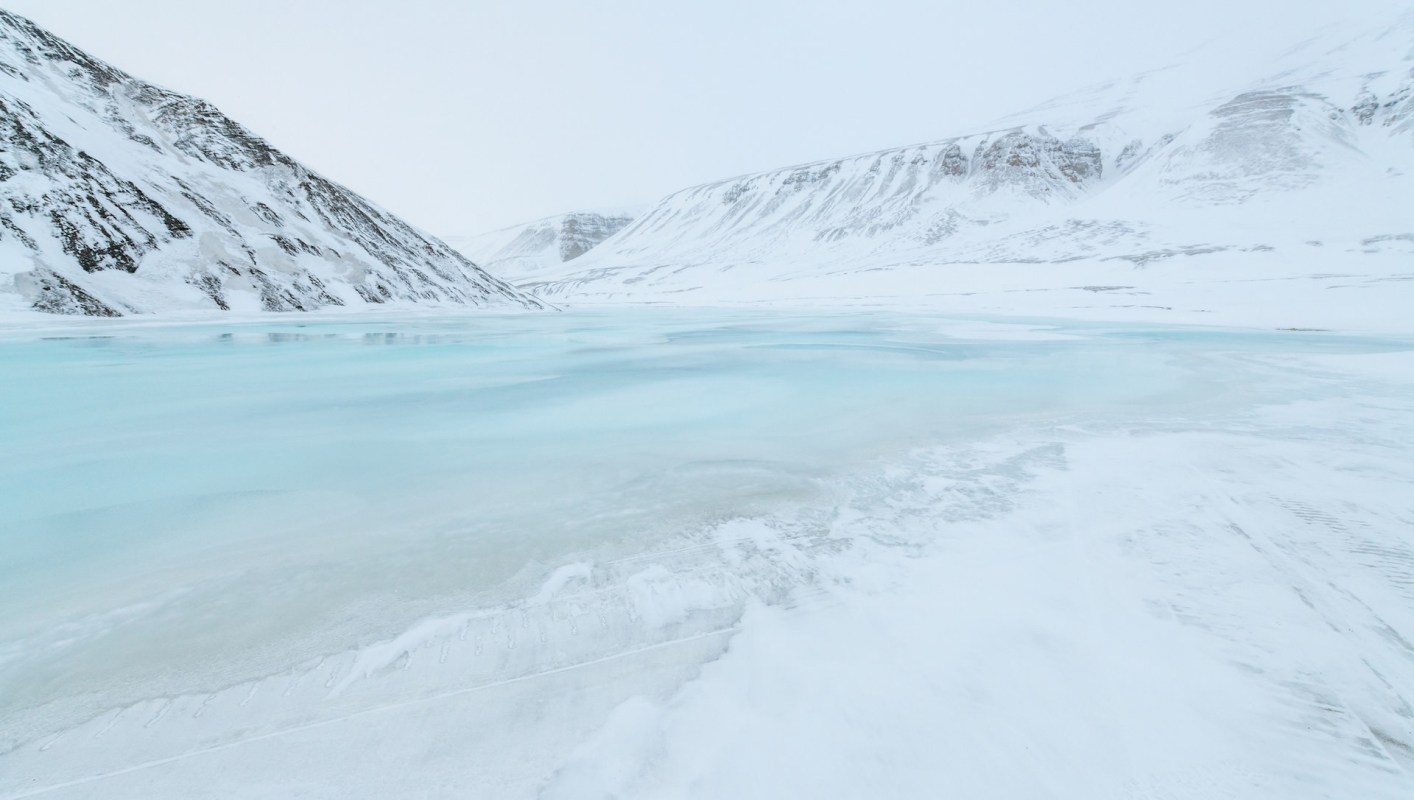
Increasing tourism in the Arctic has left visitors unaware of the dangers that thawing permafrost poses, according to a November study.
What's happening?
The research, published in Communications Earth & Environment, highlighted the Yukon, West Greenland, and Svalbard as popular destinations that are also sites of increasingly common retrogressive thaw slumps and active layer detachments.
These natural events are accelerating as the planet warms because of humans' burning of coal, oil, and gas. Tourists, who lack local knowledge and "may behave with limited risk awareness," are particularly susceptible to the perils, which are often only acknowledged in the context of their impacts on communities and infrastructure, the paper stated.
The authors highlighted a multidimensional solution to the problem, which could only grow as the changing climate exacerbates permafrost degradation and pushes people to explore untouched wilderness before rising temperatures change it forever.
Why is this important?
Permafrost is the layer of soil that remains frozen for at least two years. When it melts, it can collapse the ground and cause natural disasters that affect infrastructure, transportation, culture, food security, and livelihoods. The scientists noted that such consequences will impact tourism, a main driver of economic opportunity in these communities as well as a source of development.
Retrogressive thaw slumps — "cryogenic landslides triggered by ground collapse when the ground ice becomes exposed," according to the study — and other hazards also disrupt ecosystems by dumping sediment in water and moving ground that plants and animals rely on. Newly exposed soil "accelerates microbial decomposition" as well as the release of carbon dioxide and methane.
These gases compound the heating of Earth and contribute to Arctic amplification, in which the poles warm much faster than the rest of the planet.
What's being done about Arctic permafrost degradation?
Mitigating the risks requires prevention and education, the authors suggested.
"Integrating permafrost degradation-related risks into tourism development strategies in peripheral Arctic communities … can generate benefits far beyond tourism," the researchers wrote. "Strengthening safety measures for visitors is expected to also enhance the safety of seasonal workers, newcomers, fly-in fly-out workers, and residents exposed to the same hazards."
They also noted that better risk communication practices would improve public awareness and make "navigat[ing] permafrost hazards" part of everyday life. Elevating safety as a priority, of course, could snowball, bettering tourists' experiences while making the tourism industry "more responsible and sustainable."
TCD Picks » Quince Spotlight
💡These best-sellers from Quince deliver affordable, sustainable luxury for all




|
When do you start packing for a vacation? Click your choice to see results and speak your mind. |
 Weeks in advance 🧠
Get TCD's free newsletters for easy tips to save more, waste less, and make smarter choices — and earn up to $5,000 toward clean upgrades in TCD's exclusive Rewards Club.
Cool Picks






