


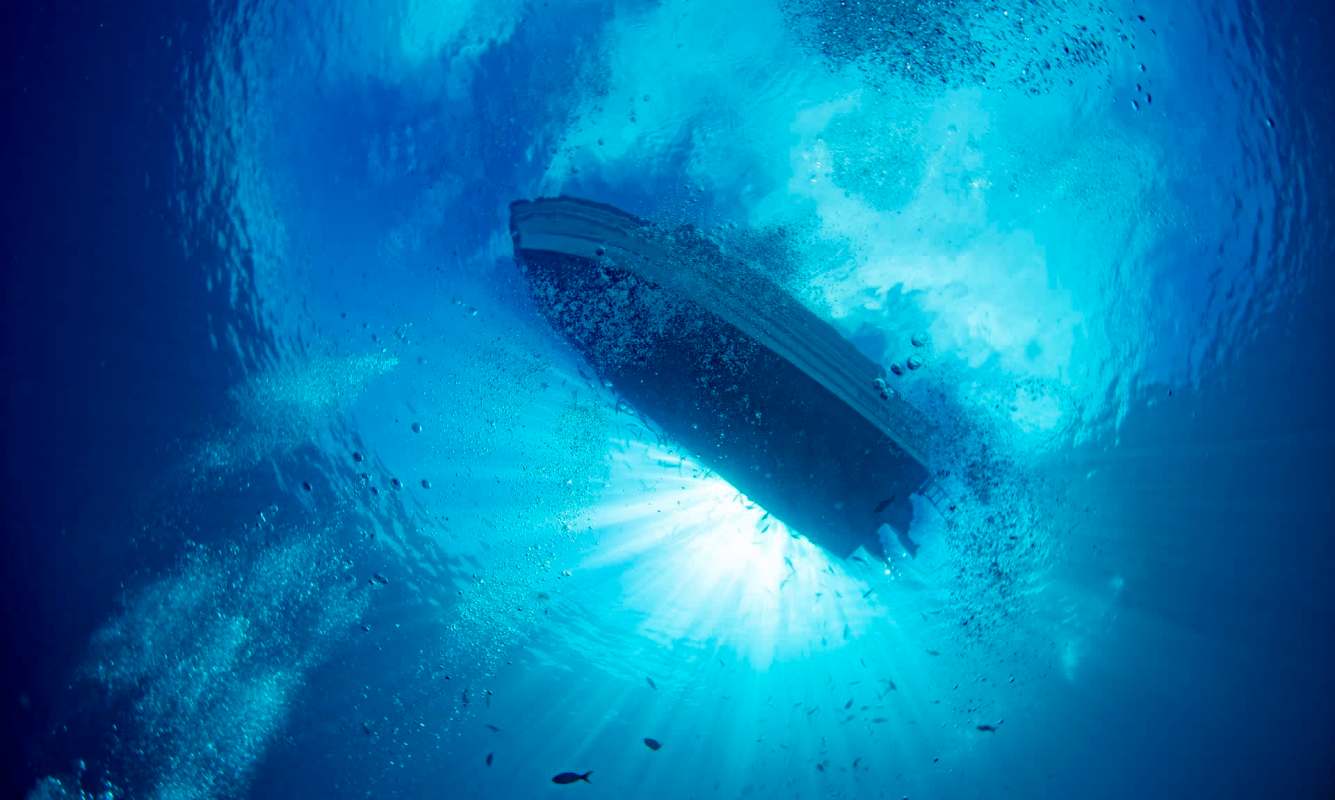
A team of researchers is voicing concerns over the rapid changes in Arctic marine soundscapes that may be affecting the region's vulnerable ecosystems.
What's happening?
As outlined in a press release from the University of Bath, researchers used underwater microphones to listen to the Arctic Ocean for nearly 10 years. They focused on specific sound ranges, called shipping bands, in Cambridge Bay in Nunavut, Canada.
Shipping bands, or the frequencies that ships commonly use when their engines and propellers rumble through the water, can cause significant disruption to marine mammals and varying levels of stress.
However, as global temperatures continue to rise, shipping routes and other human activities may steadily encroach into regions once completely covered by ice. By tracking shipping bands over the years, the researchers have determined how shipping noise changes over time and speculate how it may impact wildlife in the coming years.
Why are soundscapes in the Arctic Ocean important?
The study, published in the journal npj Acoustics, noted that the increased noise in the Arctic Ocean may drown out essential sounds for marine mammal navigation, feeding, and even mating. And there is one major factor in this increase.
"The Arctic is entering a new era as climate change accelerates three times faster than the global average," said Dr. Philippe Blondel, lead author of the study and senior lecturer in the Department of Physics at the University of Bath.
Increased air pollution has long been linked to rising global temperatures. Human activities such as the burning of natural gas and coal have become the largest contributors to this increase. This has only accelerated Arctic ice loss.
"As the ice melts and previously inaccessible waters open up, there will be more shipping routes, more aircraft, more small vessels used for tourism and resource exploration, more near-shore industrial activity, including mining and drilling, and other geostrategic pressures," Blondel said.
According to Blondel, this new era could set off a chain reaction of events that may reshape the entire region.
"These changes are increasing the intensity and variety of underwater sounds, which can travel hundreds of kilometres through cold northern waters," he added. "All these sources contribute noise that affects local ecosystems, wildlife, and the subsistence activities of Indigenous communities."
TCD Picks » Quince Spotlight
💡These best-sellers from Quince deliver affordable, sustainable luxury for all




|
What's the most you'd pay per month to put solar panels on your roof if there was no down payment?
Click your choice to see results and speak your mind. |
 $200 or more 💰
 What's being done about changes to the marine soundscape in the Arctic?
In an effort to mitigate the changes of underwater sounds, Blondel suggested that additional regulations may be required to protect the region's underwater soundscape.
"Our long-term study shows that underwater sound is a sensitive and reliable way to detect human activities that leave no satellite trace, and it provides the evidence needed to adapt noise regulations to real Arctic conditions, varying with seasons and with ice cover," he said.
Blondel explained that as the focus on exploring opened-up areas in the Arctic increases, the management of its ecosystem will be crucial. This means that the monitoring of underwater frequencies will soon become too important to ignore.
"Regulators need evidence from the Arctic itself, rather than relying on models developed for lower latitudes," Blondel added.

Get TCD's free newsletters for easy tips to save more, waste less, and make smarter choices — and earn up to $5,000 toward clean upgrades in TCD's exclusive Rewards Club.
Cool Picks




