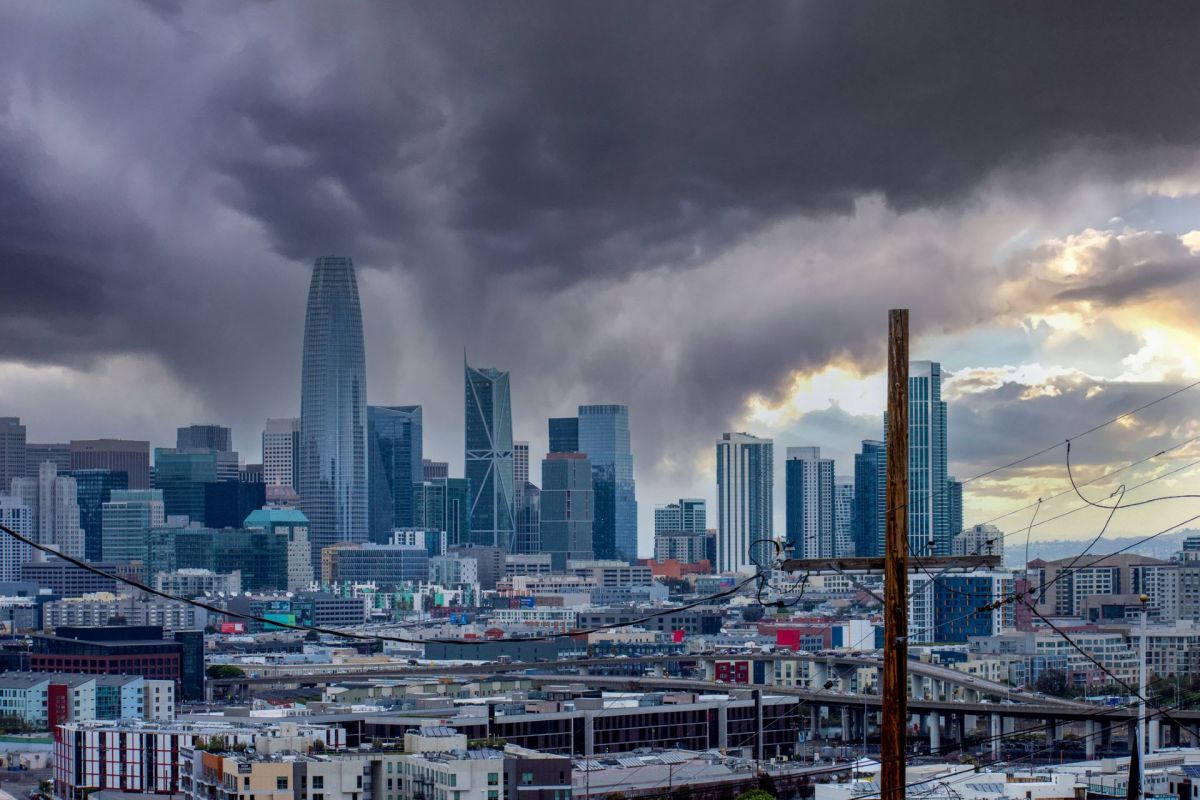
Rising global temperatures are reducing Arctic Ocean sea ice, and new research has explored the connection between that melting ice and changing water circulation patterns that can impact weather around the world.
What's happening?
A study published in the journal AGU Advances explored the connection between ice melting and vertical circulation in the Arctic Ocean.
Historically, sea ice in the Arctic Ocean inhibits the effect of wind on the ocean's surface. This creates slower surface currents and weak turbulent mixing.
However, as human-driven pollution has contributed to warming temperatures, sea ice has begun to melt rapidly. As a result, currents get faster and turbulent mixing becomes more intense. When vertical circulation changes, this can also affect the weather.
"As warming and sea-ice loss continue, this delicate balance could shift potentially influencing larger currents like the Atlantic Meridional Overturning Circulation, which helps shape climate and weather across Europe and beyond," according to a post from Bangor University's School of Ocean Sciences.
Oceanographers Prof Mattias Green, Dr Ben Lincoln and Prof Tom Rippeth, are part of the team behind a major new study on...
Posted by School of Ocean Sciences on Tuesday, December 9, 2025
Why is Arctic ice melt concerning?
The Arctic Ocean feeds cold, dense water into the Atlantic Meridional Overturning Circulation pattern, commonly known as the AMOC, which influences weather in western Europe and North America.
Perk up the winter blues with natural, hemp-derived gummies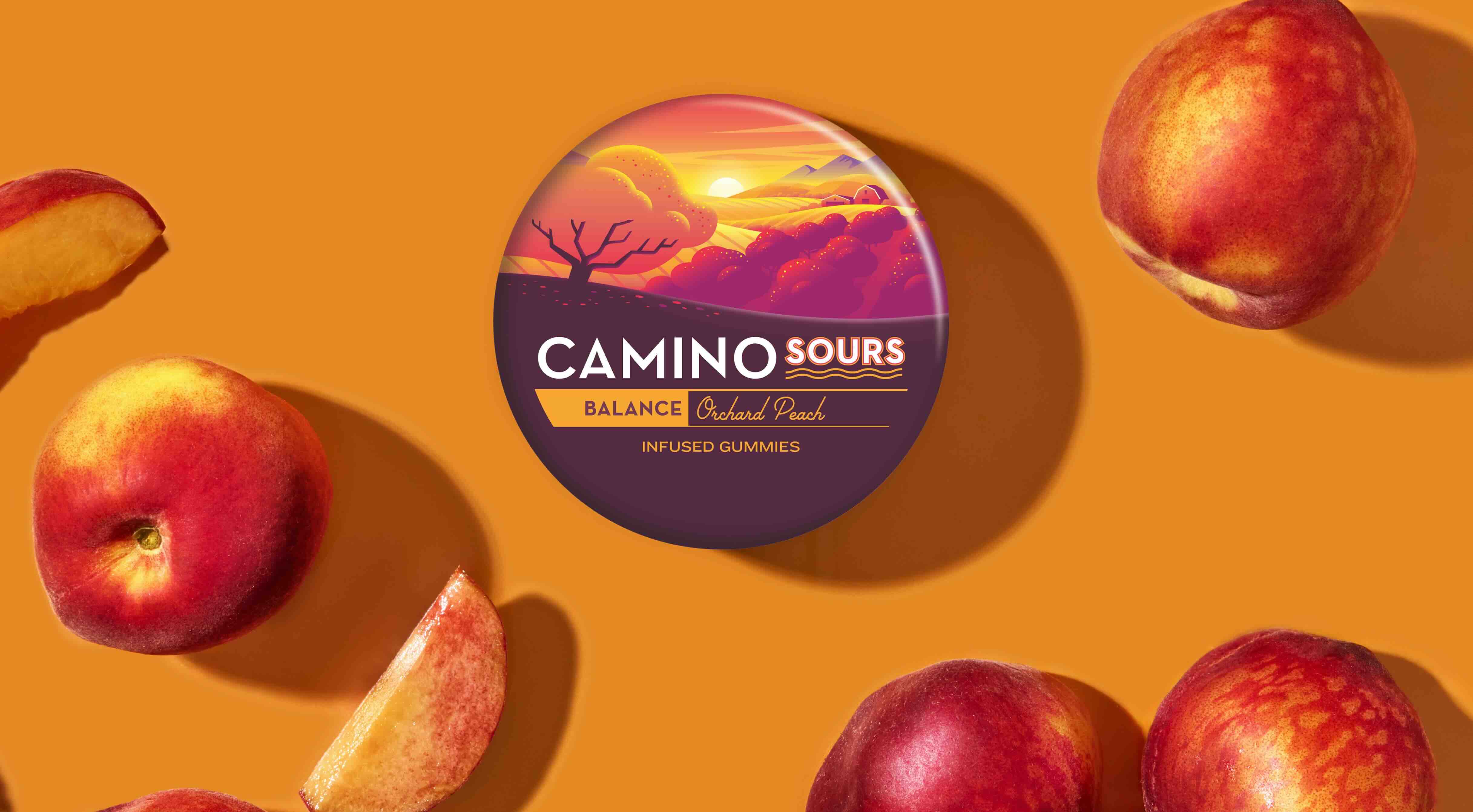 Camino's hemp-derived gummies naturally support balance and recovery without disrupting your routine, so you can enjoy reliable, consistent dosing without guesswork or habit-forming ingredients. Flavors like sparkling pear for social events and tropical-burst for recovery deliver a sophisticated, elevated taste experience — and orchard peach for balance offers everyday support for managing stress while staying clear-headed and elevated.
Learn more → |

For example, one study linked recent European heatwaves and droughts to Arctic ice melt. This underscores how rapid overheating has supercharged weather, leading to inhospitable conditions for humans and wildlife alike.
As this problem of amplified extreme weather continues to worsen, people are subjected to flooding, storms, extreme heat, and wildfires that destroy communities and threaten their health.
With homeowners' insurance companies increasingly dropping coverage due to these natural disasters, tackling warming temperatures has taken on additional importance.
What's being done about Arctic ice melt?
Scientists hope their work will help improve and inform further research into the impact of circulation changes in the Arctic Ocean. Further studies will help reveal the scale of the issue and work toward solutions for mitigating the problem.
TCD Picks » Upway Spotlight
💡Upway makes it easy to find discounts of up to 60% on premium e-bike brands




|
Do you think America does a good job of protecting its natural beauty? Click your choice to see results and speak your mind. |
 Definitely 👍
 Individuals can do their part to slow warming by making thoughtful, environmentally-conscious choices in their everyday lives. Some of these decisions can also help make them more resilient to climate-driven extreme weather.
For example, solar energy makes your home more weather-resistant when paired with battery storage. It also saves money on your utility bills and protects you against rising energy prices.
TCD's Solar Explorer connects you with vetted installers operating in your ZIP code. EnergySage, for instance, provides a free service that makes it easy for readers to find services and save thousands on installations.

Get TCD's free newsletters for easy tips to save more, waste less, and make smarter choices — and earn up to $5,000 toward clean upgrades in TCD's exclusive Rewards Club.
Cool Picks