


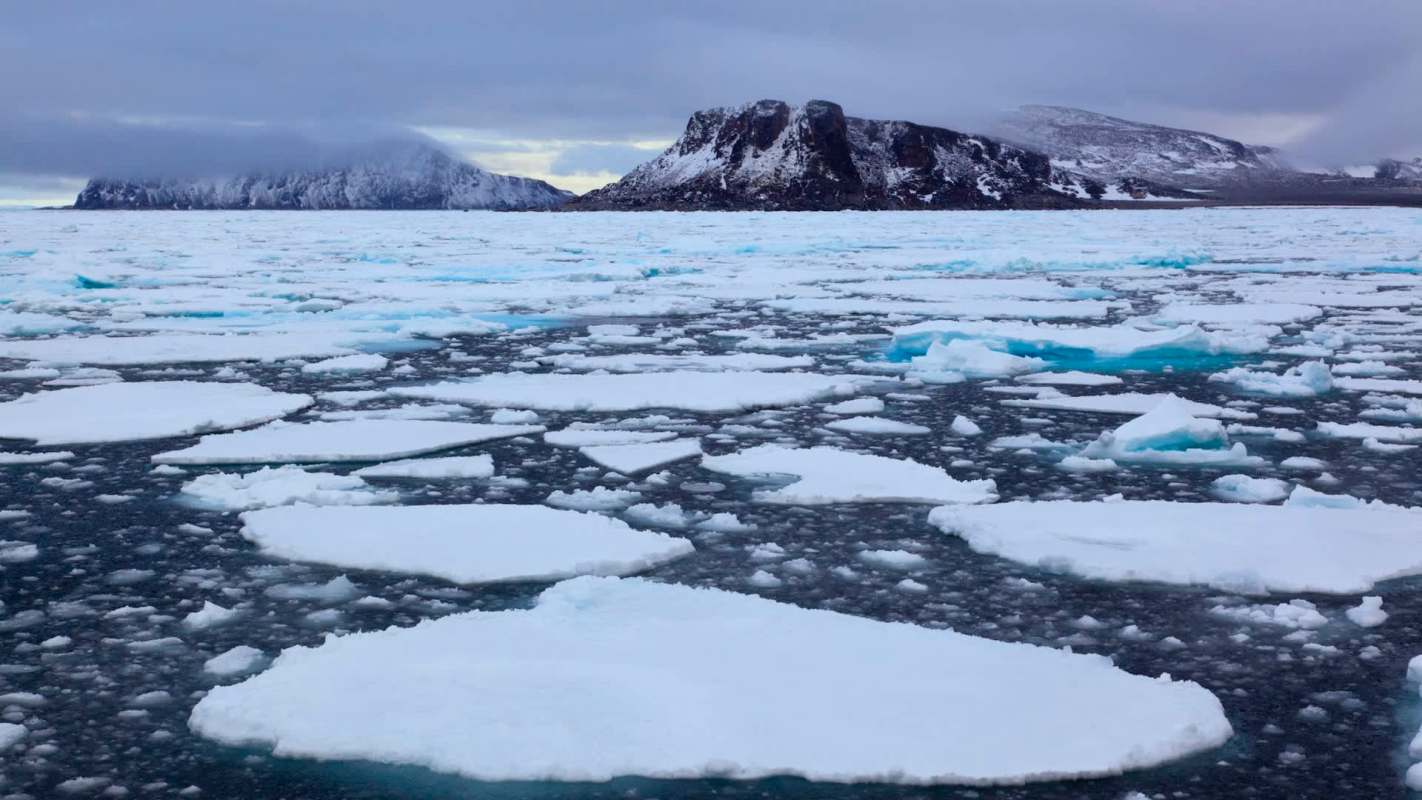
The Arctic region is a prime focus of discussions about not only our planet's shifting climate, but also shipping traffic and geopolitical competition.
An emerging threat is black carbon emissions, tiny particles that make Arctic ice darker and accelerate its melting.
What's happening?
As Euronews reported, Arctic shipping traffic has increased as global temperatures continue to rise and sea ice retreats. Areas that were once closed off by ice are now seasonally navigable, which is opening up more commercial passageways around the world.
However, this increased water traffic is also increasing the presence of black carbon soot and pollution from ship engines.
The particles released by ships are settling on what remains of the ice and snow, darkening these surfaces. Instead of reflecting sunlight, the soot-covered ice absorbs additional heat, contributing to a warming feedback loop.
Multiple countries, including Germany, France, Denmark, and the Solomon Islands, have proposed new laws requiring ships traveling in the Arctic to use cleaner fuels that release considerably less black carbon.
"It ends up in a never-ending cycle of increased warming," Sian Prior from the Clean Arctic Alliance told Euronews. "We need to regulate emissions and black carbon, in particular. Both are completely unregulated in the Arctic."
Why is black carbon reduction important?
Black carbon doesn't just pollute local waterways in the Arctic; it's also a climate accelerant that speeds ice melt in a place that is already melting far more quickly than normal. Arctic weather patterns affect global conditions, temperatures, and storms in distant regions.
Geopolitical tensions are running high over Arctic sovereignty and shipping strategies. Despite high-profile statements about territorial claims over Greenland and resistance from domestic industries such as fishing, pro-climate momentum remains slow and hotly debated.
What's being done about black carbon in the Arctic?
Stronger international regulations are needed to support the use of low-pollution fuels for all vessels traveling in Arctic waters. There are viable alternatives known as polar fuels, but their use has not yet been mandated.
TCD Picks » Upway Spotlight
💡Upway makes it easy to find discounts of up to 60% on premium e-bike brands





|
What's the most you'd pay per month to put solar panels on your roof if there was no down payment?
Click your choice to see results and speak your mind. |
 $200 or more 💰
 Governments must also work together to close regulatory loopholes and cooperate with Arctic states to build collective action. Raising public awareness about critical climate issues, such as black carbon, can also help spark advocacy among communities worldwide.
Additionally, you can set a positive example for those you know by living a sustainable lifestyle and encouraging them to do the same. For example, installing solar panels on your home supports the clean-energy transition and helps you reduce monthly energy costs.
TCD's Solar Explorer is a helpful resource for understanding solar options for your home. The Solar Explorer can connect you with trusted partners, such as EnergySage, to save thousands on a new solar installation and collect all available incentives where you live.
The combination of local awareness, advocacy, and international collaboration offers the best hope for a cooler, more sustainable Arctic region.

Get TCD's free newsletters for easy tips to save more, waste less, and make smarter choices — and earn up to $5,000 toward clean upgrades in TCD's exclusive Rewards Club.
Cool Picks






