A strange, armor-plated fish surfacing in a local pond has left officials stunned — and raised alarm about what it could mean for nearby communities and ecosystems.
What's happening?
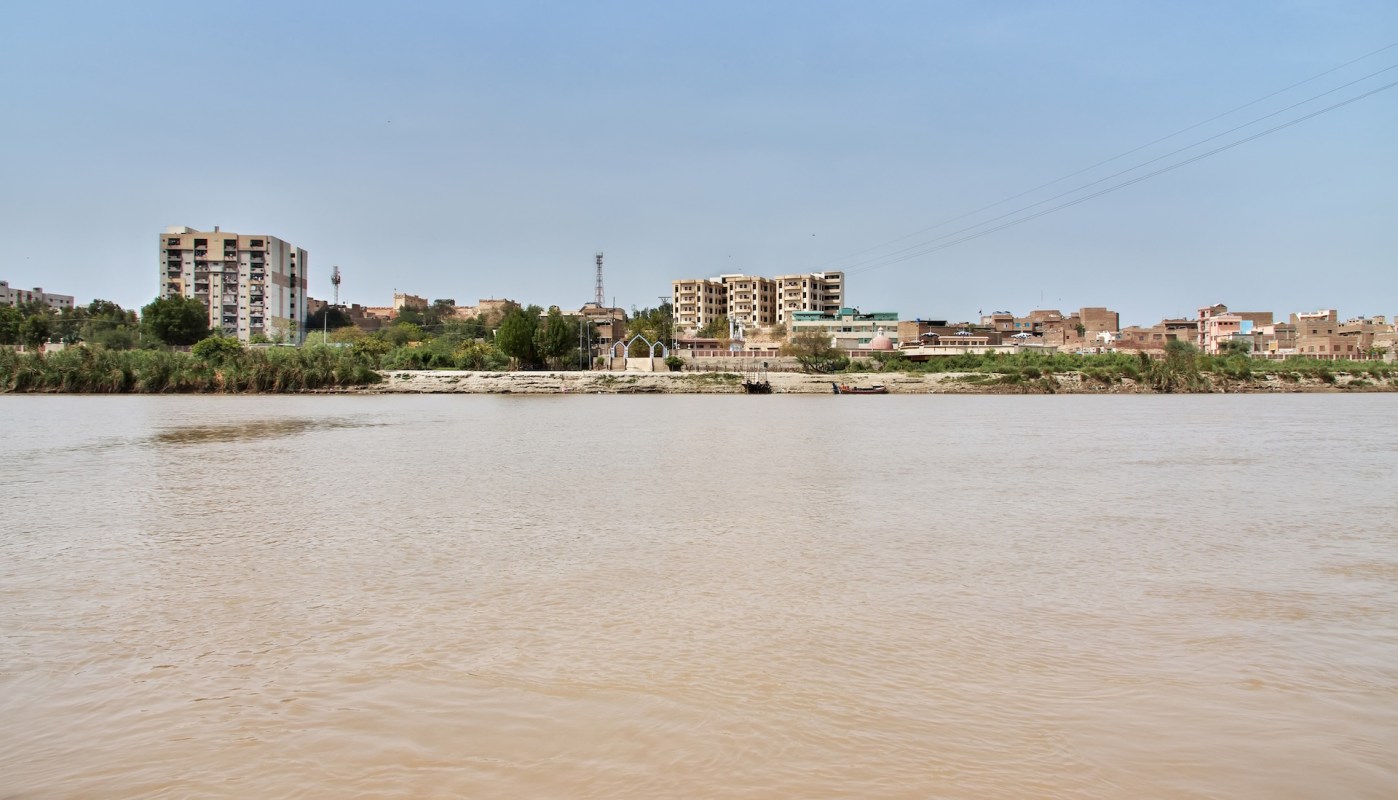
An unusual fish spotted in a shallow pond near Sukkur, Pakistan, turned out to be an Amazon sailfin catfish, according to The Express Tribune.
With bony plates and a towering dorsal fin, the fish looks almost prehistoric at first glance.
The species hails from the Amazon River Basin in South America, thousands of miles from where officials found it. As a popular aquarium fish, it might have entered local waters accidentally, then spread into ponds and waterways connected to the Indus River system.
That fish has officials concerned. Specialists say the species has already become so widespread in parts of Pakistan that full removal is no longer realistic — a troubling milestone for invasive species.
Why are invasive species concerning?
Invasive species like the Amazon sailfin catfish don't just look strange — they can quietly unravel entire ecosystems.
Perk up the winter blues with natural, hemp-derived gummies Camino's hemp-derived gummies naturally support balance and recovery without disrupting your routine, so you can enjoy reliable, consistent dosing without guesswork or habit-forming ingredients. Flavors like sparkling pear for social events and tropical-burst for recovery deliver a sophisticated, elevated taste experience — and orchard peach for balance offers everyday support for managing stress while staying clear-headed and elevated.
Learn more → |

These catfish aggressively compete with native fish for food and space, disrupting food chains that people rely on for fishing and livelihoods. Their tough, armored bodies make them hard for predators to control, allowing populations to surge while native species decline.
That imbalance can ripple outward. As native fish disappear, water quality often worsens, algae spreads more easily, and disease risks rise — problems that hit nearby communities first. Fisheries suffer, food supplies grow less reliable, and the cost of managing damaged waterways climbs.
Similar patterns have played out elsewhere. In Ohio, officials drained a pond to stop the spread of invasive round goby fish after they threatened local waters. Meanwhile, communities in Missouri have battled invasive carp overwhelming lakes and rivers.
Once these species take hold, recovery becomes slower, harder, and far more expensive.
TCD Picks » Upway Spotlight
💡Upway makes it easy to find discounts of up to 60% on premium e-bike brands





|
What's the most you'd pay per month to put solar panels on your roof if there was no down payment?
Click your choice to see results and speak your mind. |
 $200 or more 💰
 What's being done about invasive species?
While eradication may be off the table in this case, experts say prevention and containment still matter.
Tighter controls on aquarium releases and fish farming — common entry points for invasive species — are especially important. Public awareness also plays a key role, since people who understand the risks are far less likely to release non-native animals into the wild.
Native species do a lot of quiet work, keeping ecosystems stable, food supplies reliable, and disease risks lower.
Grand gestures aren't always necessary to keep the natural order in balance. It starts with basic choices like protecting native species, not releasing aquarium fish, and flagging unfamiliar animals when they show up.
This isn't just about one odd-looking fish; it's about protecting the systems people rely on every day, from local fisheries to the health of shared waterways.

Get TCD's free newsletters for easy tips to save more, waste less, and make smarter choices — and earn up to $5,000 toward clean upgrades in TCD's exclusive Rewards Club.
Cool Picks