


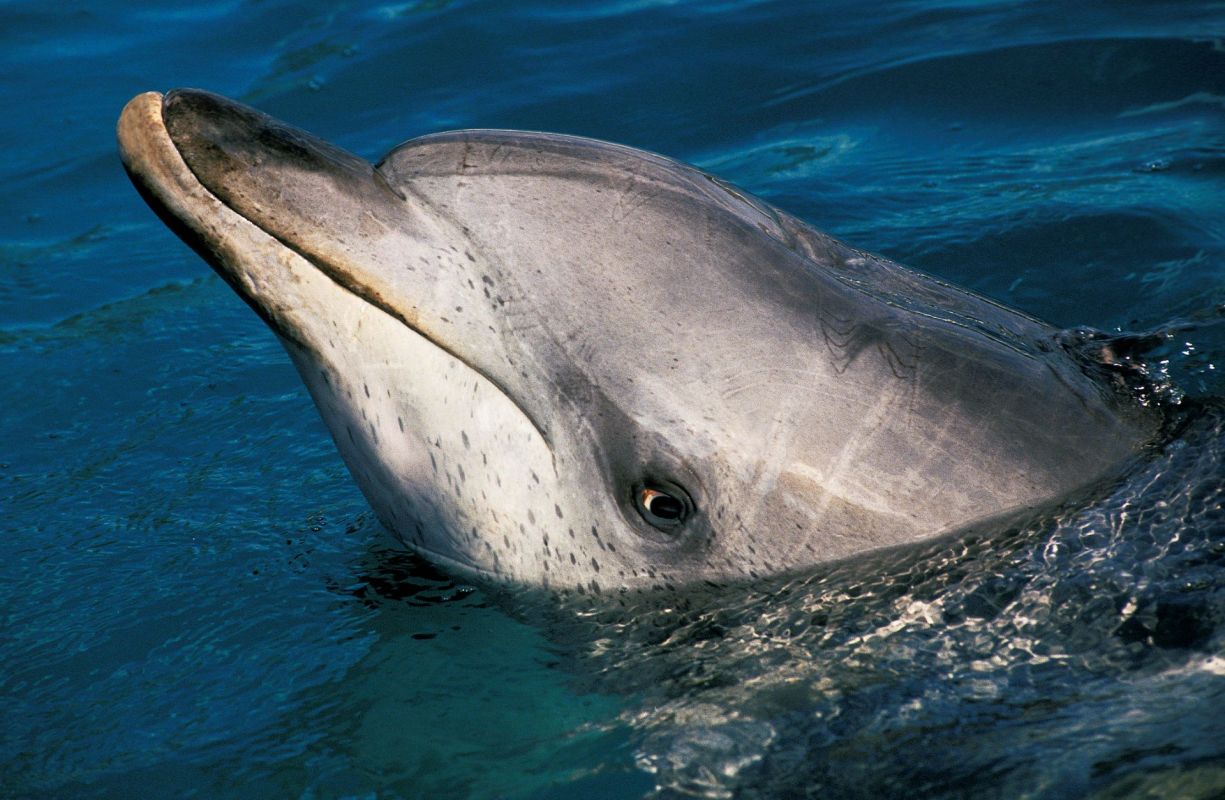
Dolphins living in Florida's Indian River Lagoon show brain changes that resemble Alzheimer's disease, and scientists believe a toxin from algae is responsible, reported Florida Today.
What's happening?
A study in Nature Communications Biology examined 20 dolphin brains. Every brain showed damage from a toxin released during algae blooms.
When dolphins washed ashore during bloom seasons, researchers found toxin levels 2,900 times higher in their brains than in dolphins that came ashore at other times.
The brains showed unusual protein deposits and genetic changes tied to memory and cognitive health. These changes resemble what doctors observe in people with early-stage Alzheimer's.
"They are amazingly resilient animals," said scientist Wendy Noke Durden, currently working with the Hubbs-SeaWorld Research Institute's Florida laboratory, per Florida Today. "This is another thing we need to be cognizant of."
Why are these findings concerning?
Dolphins serve as environmental health indicators. What affects them often signals dangers for people living nearby.
TCD Picks » Quince Spotlight
💡These best-sellers from Quince deliver affordable, sustainable luxury for all




These animals spend their entire lives in this body of water. They consume fish that carry toxins released during algal blooms. The toxins may also enter their systems through the air above the water.
Warmer conditions bring increased precipitation to Florida. This creates bigger and more frequent algae blooms, raising toxin exposure for dolphins and people living on the coastline.
Seagrass has vanished from portions of this waterway, changing dolphin diets and potentially worsening harm from the toxins.
For humans, these findings suggest we may face similar risks from exposure to these waters and seafood sources.
|
Do you think your city has good air quality? Click your choice to see results and speak your mind. |
 Definitely 🥰
 What can be done about algae blooms?
The study received funding from Florida Ocean license plate sales, the Brevard County Tourism and Development Council, and the SeaWorld Busch Gardens Conservation Fund. Other scientists are monitoring dolphin health through the National Oceanic and Atmospheric Administration's programs for studying marine mammals that wash ashore.
If you live near affected waterways, support policies that reduce nutrient runoff into lagoons and coastal areas. Contact your local representatives about water quality protection measures.
You can help limit algae blooms by cutting back on lawn fertilizer, properly maintaining your septic system, and patronizing businesses that prioritize water conservation.

Join our free newsletter for good news and useful tips, and don't miss this cool list of easy ways to help yourself while helping the planet.







