


Routine health concerns can occasionally turn into life-altering medical mysteries.
That was the case for two women who sought answers for symptoms doctors could not explain for months.
What's happening?
According to the New York Post, Virginia gym owner and mother Ashley Courtney began experiencing rashes, hives, heart palpitations, and swelling in 2019, including during pregnancy.
Courtney said she visited 11 doctors over more than a year, went to the emergency room, and was tested for other serious conditions before getting answers.
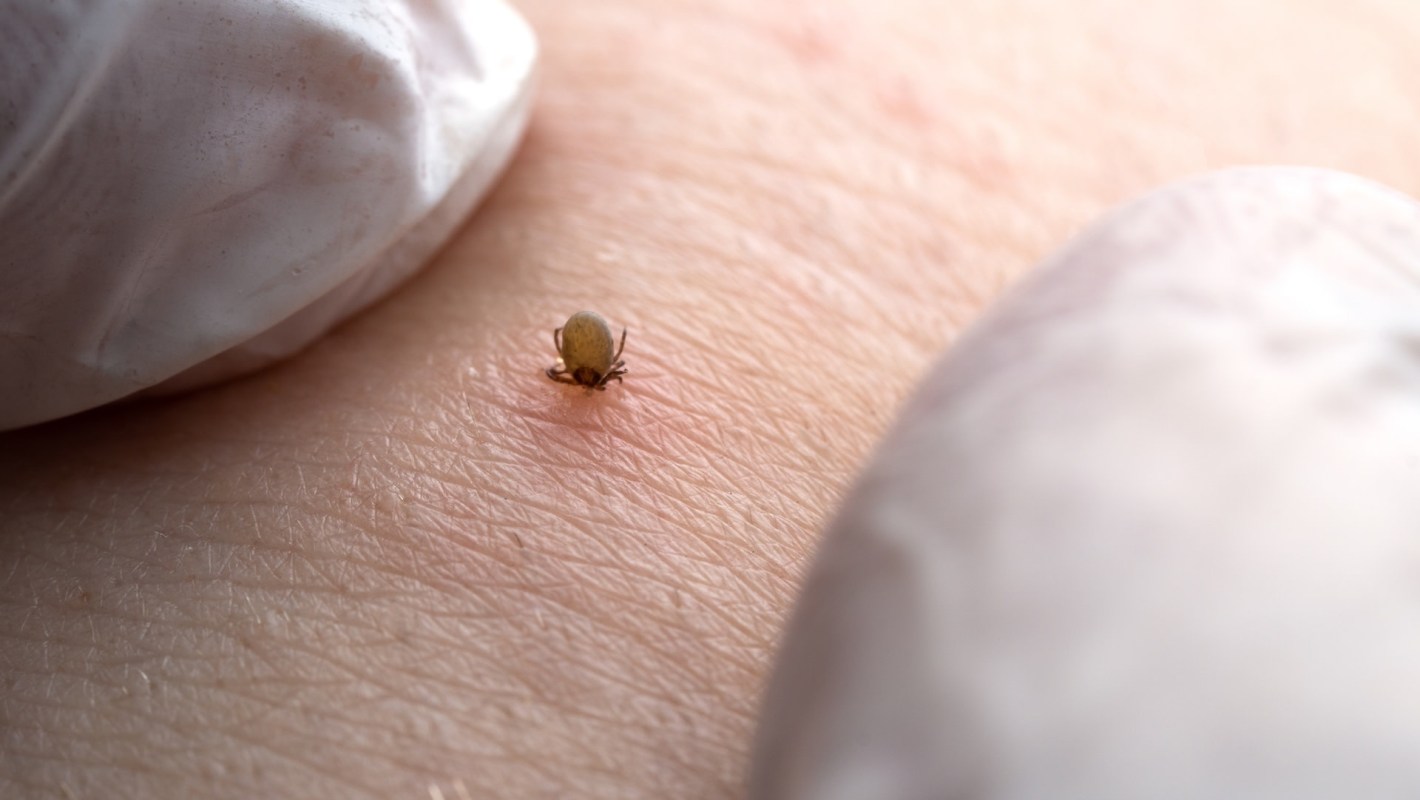
It wasn't until Courtney went to get her hair done and her hairdresser suggested alpha-gal syndrome, a tick-borne illness caused by bites from the Lone Star tick. Testing later confirmed the diagnosis.
The NYP cited data from the Centers for Disease Control and Prevention that said alpha-gal syndrome has affected up to 450,000 Americans, with cases concentrated in Eastern and Southern states.
Symptoms can include delayed allergic reaction, gastrointestinal distress, hives, and anaphylaxis following exposure to meat or mammal-derived products. This can include something as unexpected as shampoo.
Courtney said she found herself avoiding food, social gatherings, and household products out of fear.
"I felt like I was allergic to existing," Courtney told the NYP.
In another case, Debra Schaefer from New York started experiencing symptoms after working as a camp counselor in 2023.
TCD Picks » Quince Spotlight
💡These best-sellers from Quince deliver affordable, sustainable luxury for all




|
Do you worry about having toxic forever chemicals in your home?
Click your choice to see results and speak your mind. |
 Majorly 😥
 After multiple doctor visits, the syndrome was identified. Schaefer also recalled a tick crawling on her husband, who was later diagnosed with the same illness.
"I realized later that I was in anaphylactic shock," Schaefer told the NYP. "It's scary that the ER didn't know what was happening."
Why are tick-borne illnesses a concern?
Tick-borne illnesses are becoming more common as global temperatures rise. Ticks thrive in warm, damp conditions, and as thermometer readings creep up, the range of places that the creatures can survive expands.
Meanwhile, as warmer seasons last longer throughout the year, the time that ticks can breed and survive also increases, leading to a greater threat of associated diseases.
The Lone Star tick, which carries alpha-gal syndrome, has been spreading across the United States. This means that anyone venturing into outdoor spaces needs to be vigilant to avoid exposure.
What's being done about awareness?
Courtney and Schaefer, who have been impacted by the syndrome, have worked to improve awareness of alpha-gal syndrome by speaking about their experience so doctors can recognize symptoms earlier, according to the NYP.
Talking with friends and family about these risks can encourage discussions about how environmental changes can have an impact on human health. Wearing long-sleeved clothing when out on walks in wild spaces can also help, as can tick repellent.
"The hardest thing was that I wasn't an average case," Courtney said. "I wish [doctors] would have taken me more seriously."
Reducing our production of planet-warming pollution can slow the rate of rising global temperatures and make it more difficult for ticks to survive.
Small steps like avoiding single-use plastics and eating more plant-based meals can help, but bolder moves, such as installing solar panels or switching from a gas-guzzling car to an electric vehicle, can significantly cut your personal polluting impact and save money at the same time.

Get TCD's free newsletters for easy tips to save more, waste less, and make smarter choices — and earn up to $5,000 toward clean upgrades in TCD's exclusive Rewards Club.
Cool Picks






