


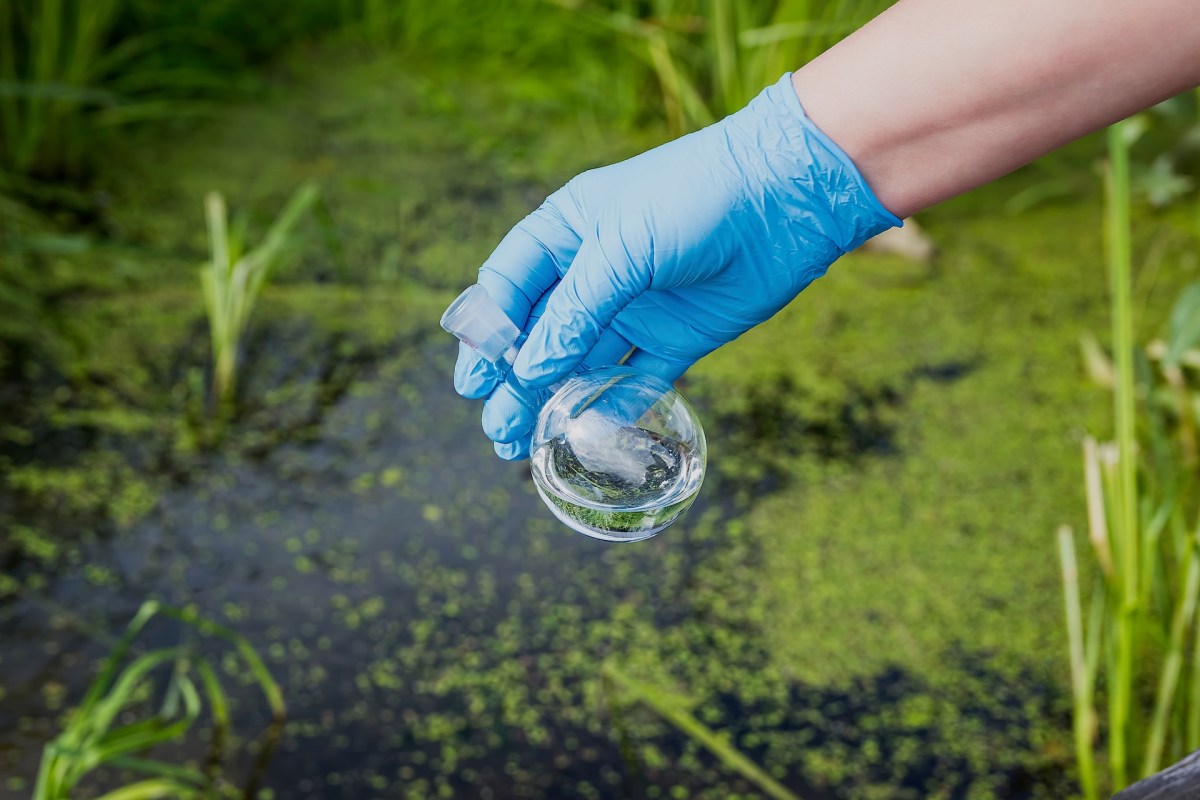
Increasing global temperatures are a critical concern as the world aims to create a resilient future. A recent study has shown that atmospheric changes are increasing algal growth in freshwater bodies across Canada, posing a risk to both humans and wildlife.
What's happening?
Researchers from McGill University and Université Laval discovered that 80 Canadian lakes had experienced accelerated algae growth. According to the study's co-author, Irene Gregory-Eaves, this surge is "increasing at a rate seven times faster than before," even in remote lakes away from human activity.
Although previous investigations have identified land use and fertilizer runoff as contributing factors in several water sources, warmer weather appears to be the primary cause, creating ideal conditions for algae to flourish.
Cyanobacteria — blue-green algae — favor warm, slow-moving water, in which they grow rapidly and absorb more sunlight at the surface, giving them an even greater advantage.
Why is an algae surge concerning?
Communities rely on lakes for recreation, food, water, and business operations. Unfortunately, boiling and filtering contaminated water do not always remove toxic blue-green organisms, putting animals and public health at risk.
Toxic algal blooms are particularly harmful to water quality. According to a CDC report, 92% of animals that got sick from algal outbreaks in 2021 died, and another 117 people fell ill.
These events have had a significant impact on the economy, particularly on the tourism sector. In fact, the 2018 red tide bloom in Florida resulted in a $2.7 billion revenue loss after visitors fled the affected areas.
The study's findings suggest that, although important, limiting the use of agricultural chemicals and mitigating stormwater runoff may no longer be sufficient to curb excessive algal growth. A collaborative approach to addressing the Earth's overheating may be the most effective way to ensure healthy lakes and communities.
What's being done about increasing algae growth?
Local efforts help tackle algal outbreaks in lakes and serve as an example for others to follow. For instance, after a 120-day algae bloom, New Hampshire's Lake Kanasatka Watershed Association invested $500,000 to treat the lake with aluminum sulfate, which had positive results.
Recently, Senate Bill 663 reinstated the Michigan Department of Environment, Great Lakes, and Energy's authority to establish more stringent water protection standards to prevent the release of per- and polyfluoroalkyl substances into its waterways and address ongoing algal blooms in Lake Erie.
TCD Picks » Quince Spotlight
💡These best-sellers from Quince deliver affordable, sustainable luxury for all




You can also help avoid algae surges by reducing heat-trapping gases. Changes to your daily habits might include riding your bicycle instead of driving a car and improving your home's energy efficiency.
|
Do you worry about having toxic forever chemicals in your home?
Click your choice to see results and speak your mind. |
 Majorly 😥
Join our free newsletter for good news and useful tips, and don't miss this cool list of easy ways to help yourself while helping the planet.
Cool Picks






